












When reviewing the specifications of a trailer-mounted rotary table water well drill, it is easy to fall into a reading habit: fixating on the maximum drilling depth line and treating the rest as secondary. But when power, mud circulation, hoisting, and the mast are all placed on the same trailer chassis, what really determines whether a project can proceed is how these systems connect. This article discusses a trailer-mounted rotary table drill with an integrated diesel generator and mud pump. The question is not whether it can drill 600 m, but in what order such materials should be read to judge whether its layout matches the project conditions.
First, clarify how many systems are integrated on the chassis
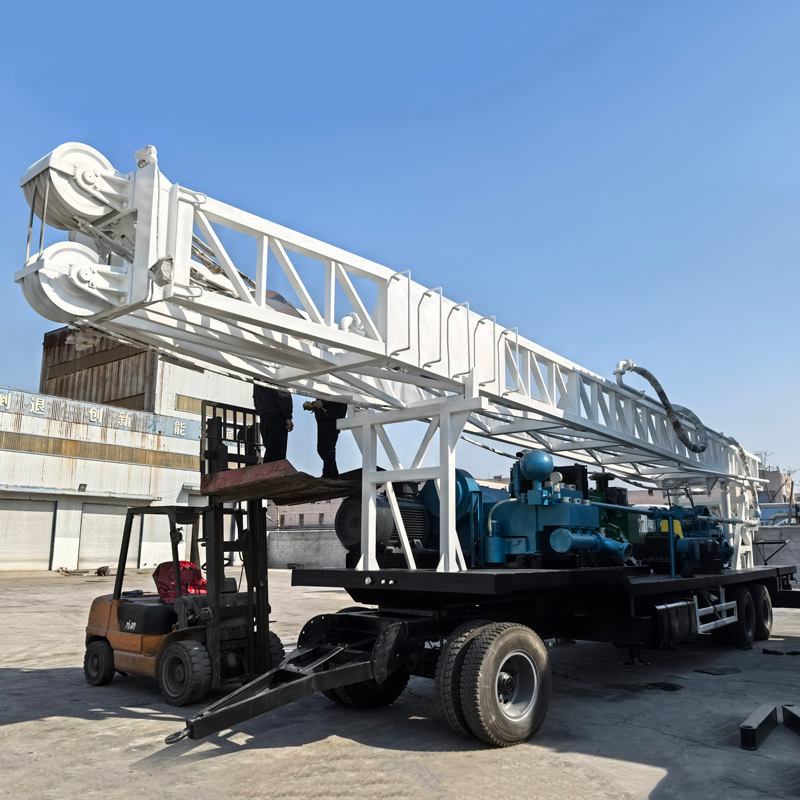
The significance of a trailer-mounted structure is not just that it can be towed away, but which components are placed together. According to the product information on this site, this model centrally arranges the diesel generator, mud pump, rotary table, double winch, mast, outriggers, and auxiliary breakout mechanism on the trailer chassis. When reading the specifications, listing these items first helps determine what additional equipment needs to be arranged for site entry.
- Power: 200 kW diesel generator set, rated voltage 380 V, rated current 360 A, frequency 50 Hz;
- Circulation: 3NB-130 mud pump, specified displacement 8.4–16.6 L/s, rated working pressure 5–10 MPa, driven by a 90 kW motor;
- Rotation: rotary table with three speeds 38 / 57 / 85 r/min, corresponding theoretical torque approximately 13.8 / 9.2 / 6.2 kN·m, through-hole diameter 500 mm;
- Hoisting: main winch single-line pull 40 kN, auxiliary winch single-line pull 30 kN, swivel maximum load 30 T, inner diameter 63.5 mm;
- Mast: short mast effective height 12 m, long mast 15 m, corresponding to different kelly and drill pipe lengths.
This list answers "what is carried on the vehicle." If there is no stable power grid on site, the generator line directly determines the prerequisite for drilling; if the formation requires mud wall protection, the mud pump and circulation lines are another main thread. Both are on the same chassis, which saves the steps of separate transport and on-site assembly, but it does not mean site conditions can be confirmed less.
How the generator and mud pump connect
In this integrated layout, the relationship that is easy to misread is between the lines "how much power the generator provides" and "how much power the mud pump requires." The data gives the mud pump drive power as a 90 kW motor, and the generator rated power as 200 kW, voltage 380 V, current 360 A. On the numbers alone, the generating capacity has margin to cover the mud pump's electricity use, but the data also states that the generator can supply power to the mud pump, hydraulic oil pump, and auxiliary electrical equipment, meaning these items share the same power source.
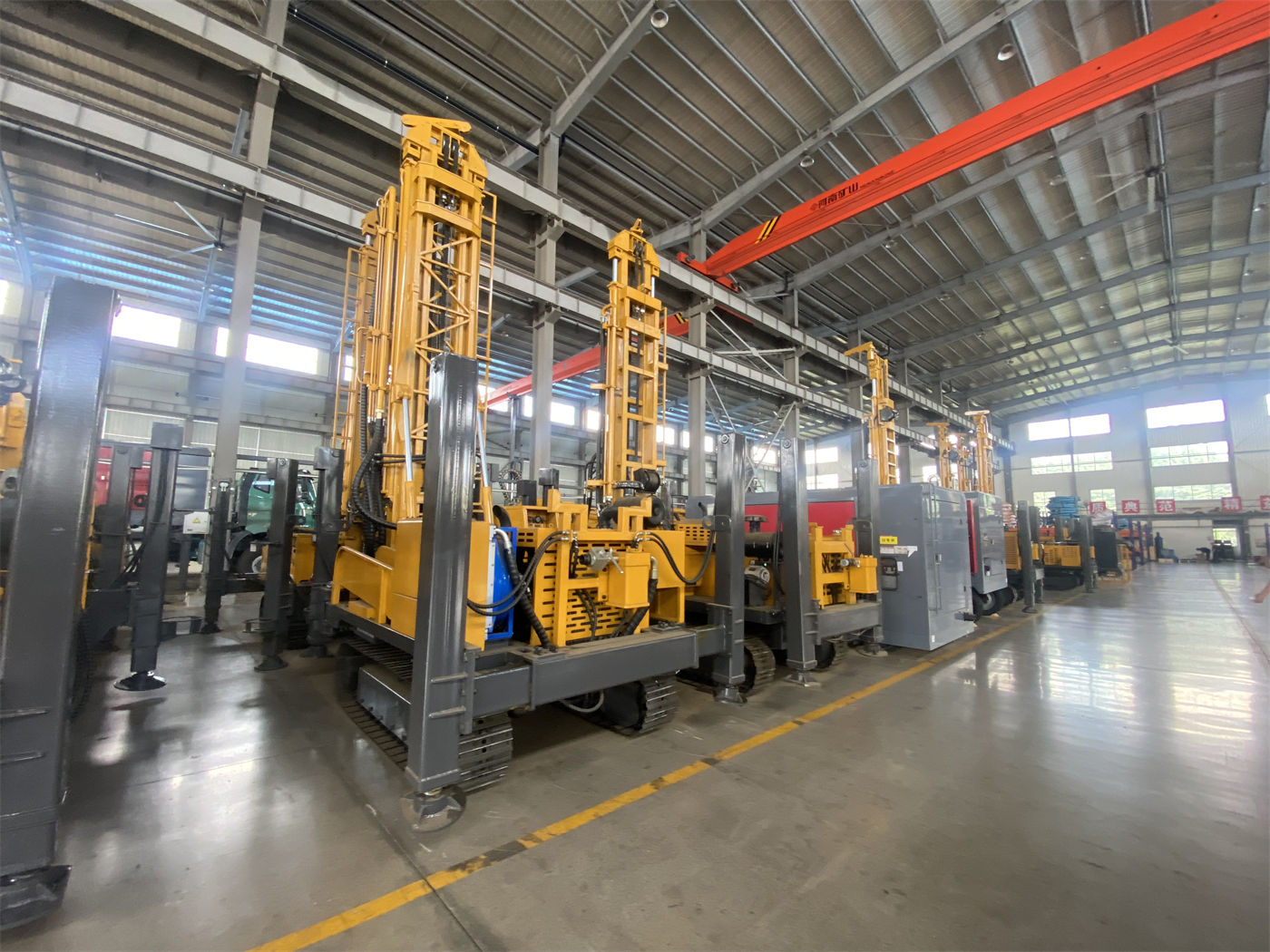
Therefore, when reading, three items should be considered together: the generator set rated power, the mud pump drive power, and the auxiliary load of the 11 kW hydraulic gear oil pump motor. The actual combination of loads running simultaneously, the startup sequence, and the on-site power distribution method are not elaborated in the data. These are electrical matching issues that should be confirmed with the manufacturer before drilling, and the 200 kW figure alone cannot be used to infer that full-load parallel operation is possible under all conditions.
The mud pump side must also be read in context: the displacement of 8.4–16.6 L/s and pressure of 5–10 MPa together determine circulation capacity. The data describes the role of mud circulation as carrying drill cuttings, cooling the bit, maintaining borehole wall stability, and controlling downhole pressure, and notes that in soil, clay, and soft overburden, mud viscosity must be adjusted according to formation permeability, hole diameter, and return flow conditions. This shows that pump displacement is only one end of the circulation system; the other end is the formation and downhole return flow conditions. The data itself does not provide mud mix ratios or pump setting values for any specific formation.
Rotary table, winch, and swivel must be understood as a set
When reading speed and torque, do not treat them as a table for comparing gear levels. The three speeds correspond to three theoretical torque values: low gear 38 r/min corresponds to approximately 13.8 kN·m, high gear 85 r/min corresponds to approximately 6.2 kN·m. The data explains that low gear provides higher torque, suitable for larger hole diameters, heavy drill strings, and formations with greater resistance, while higher speeds suit drilling stages with less resistance. The key here is that "gears serve the downhole resistance state," not that more gears mean greater capability.
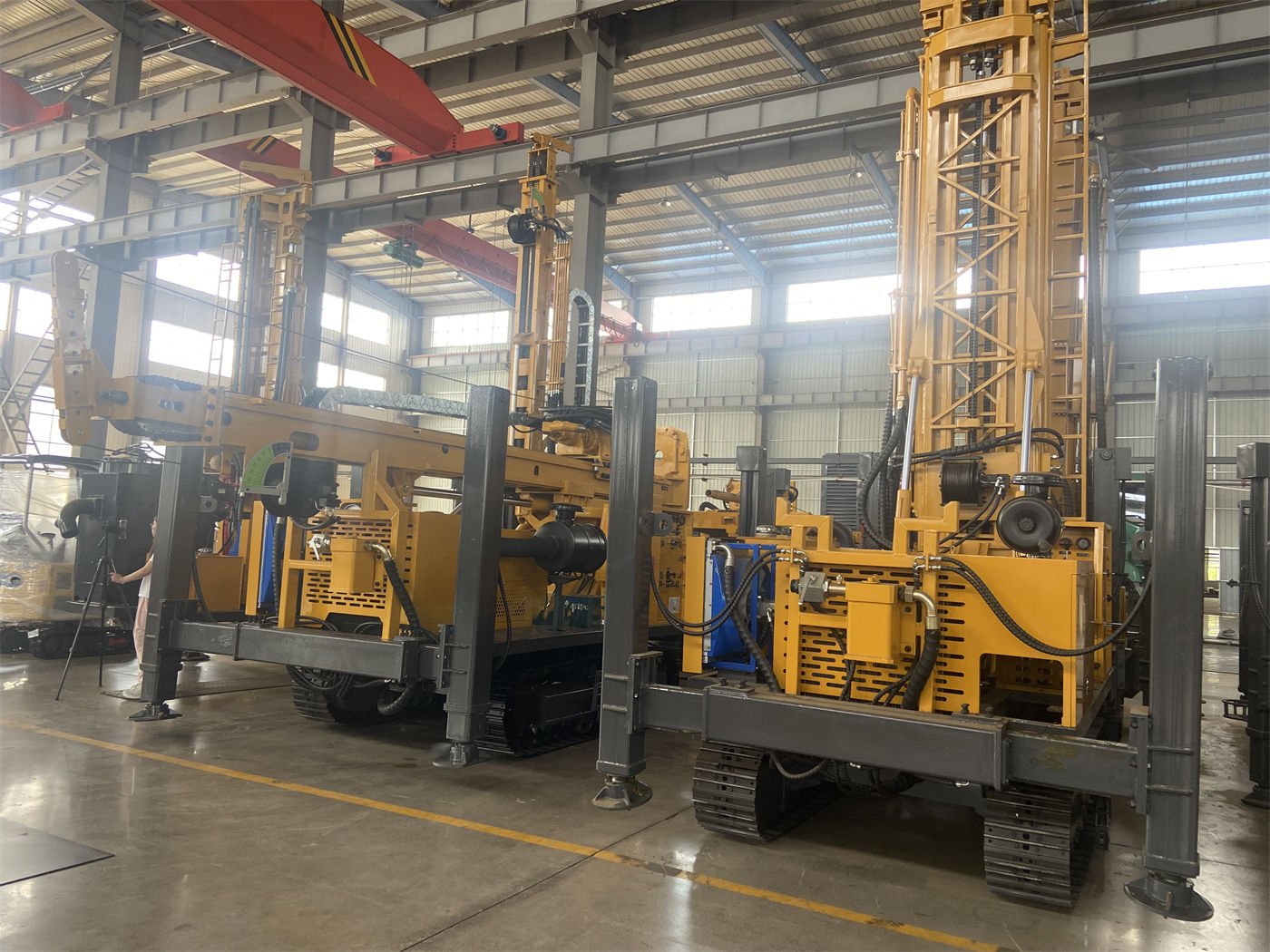
The winch and swivel constrain drill string handling. Main winch 40 kN, auxiliary winch 30 kN, swivel maximum load 30 T, inner diameter 63.5 mm. As hole depth increases, drill string weight and borehole wall friction rise, and the data notes that matching among the swivel, winch, kelly, and drill pipe is very important. This statement effectively says: drilling capability is not determined by a single component; the hoisting, rotation, and circulation systems must all hold simultaneously at the same hole depth.
Mast selection changes more than just height
The difference between short and long masts lies in three places: effective height, kelly length, and drill pipe length, which in turn affect the number of pipe connections and transport conditions. The specific correspondence is shown in the table below:
| Item | Short mast version | Long mast version |
|---|---|---|
| Effective height | 12 m | 15 m |
| Kelly | 108 × 108 × 7500 mm | 108 × 108 × 10500 mm |
| Drill pipe | Ø89 × 10 × 5500 mm | Ø89 × 10 × 9000 mm |
| Transport dimensions (approx.) | 15100 × 2480 × 4100 mm | 16630 × 2480 × 4100 mm |
The data positions the two masts as follows: the short mast is more conducive to transport and site adaptability, while the long mast can reduce the number of pipe connections. This suggests a reading order: first determine whether the project involves moving between multiple sites or continuous deep drilling at one site, then decide whether the mast row is important. The two transport dimension rows should be checked together with road width, turning radius, bridge load capacity, and height restrictions, and confirmed before cross-regional construction; the chassis type alone cannot determine whether site entry is possible.
Items not covered in the data but must be clarified before purchase
After reading the above correspondences, there are still a number of items that product data cannot answer and that need to be verified with the manufacturer or handled independently for the specific project:
- Actual drilling depth at the target hole depth and diameter is affected by formation, drilling tools, mud circulation, casing design, and downhole resistance. The maximum drilling depth of 600 m and maximum hole diameter of 500 mm cannot be directly treated as hole-making capability in any formation;
- Wall protection and casing plans for loose formations such as sand and gravel layers: the data only suggests using temporary casing or staged casing, without specific casing depths;
- How to set the mud pump displacement and pressure adjustment range for specific formations: the data does not provide operating settings;
- Conditions required for towing vehicles for trailer transport and road access permits are not covered in the data;
- Power distribution arrangements and operating limits when the generator set simultaneously drives the mud pump, oil pump, and auxiliary loads.
The data also states that if the project requires continuous high-quality core samples, a dedicated core drill should be used, and the data for this equipment cannot replace the basis for judging core sampling equipment.
What more can be gained by reading in this order
Setting the reading order as "chassis integration list—power and circulation connection—rotation and hoisting matching—mast and transport conditions—items to be verified" yields not just a set of parameters but a checklist of conditions to be fulfilled before drilling. For projects such as village and town water supply, agricultural irrigation, industrial water use, or some geothermal surveys, this order helps determine: whether the generator line is critical when there is no power grid, to what extent mud and casing must be prepared for loose formations, and whether to choose a short or long mast when site space is limited.
When requesting a quotation, it is recommended to provide: drilling purpose and well completion objectives, known formation data, target hole depth and diameter, whether casing is required and the approximate well structure, on-site power supply conditions, access roads and site dimensions, and whether relocation is needed and how often. This information determines which rows in the same document need careful reading and which can be skimmed.