












The WR1200SL adopts a diesel and electric dual-power configuration concept, but "dual diesel-electric" does not mean the two options can be freely interchanged. The diesel power is clearly specified in the data as a 264 kW Cummins engine; the final power, voltage, frequency, and starting scheme of the electric part must be determined according to the project's power supply system. Therefore, whether the site has a stable grid, grid capacity, and cabling distance directly determines whether the electric option is feasible, rather than simply converting based on diesel power.
First Determine Which Type of Power Supply Conditions the Site Has
The WR1200SL is suitable for large deep-hole projects such as ultra-deep water wells, mining water supply, industrial water supply, and geothermal surveys. The on-site power supply conditions for these projects vary significantly. Before procurement, they can be divided into three categories for assessment.
- Remote mining areas, deserts, or field projects without a stable grid: The data indicates that such conditions typically rely more on diesel power, and the diesel option retains independent field construction capability.
- Fixed drilling sites in mines, industrial parks, or long-term construction projects with stable power: An electric drive system can be considered according to site conditions to reduce fuel consumption and on-site emissions.
- Projects with unstable or undetermined power supply conditions: Voltage, frequency, transformer capacity, cable distance, and starting current must be confirmed first; orders cannot be placed based on diesel parameters alone.
The Role of the Diesel Option on the WR1200SL
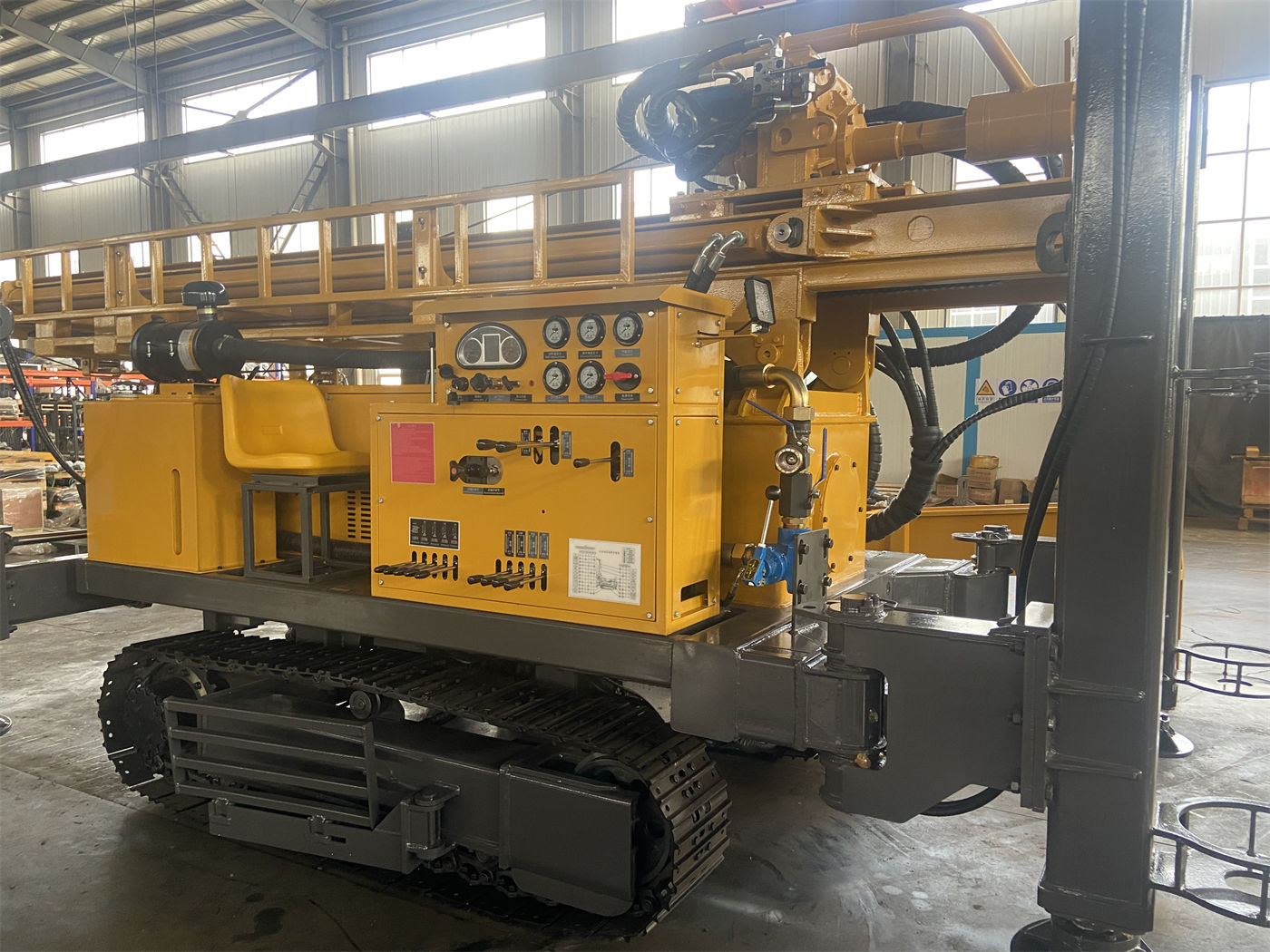
The diesel power configuration of the WR1200SL in the data is a 264 kW Cummins engine, providing power for rotation, feed, crawler travel, outriggers, and auxiliary systems. This configuration corresponds to 1200m-class deep holes, large diameters, and long-cycle construction scenarios. The equipment itself also has a 60 T lifting force, 30000 / 15000 N·m rotary torque, 9.6m drill pipe, and 105–900 mm drilling diameter. These parameters indicate a high overall load level, and the continuous output capability of the power system is an aspect to consider during selection.
The data also notes that 1200m deep holes typically involve long continuous operation, and the diesel option should strengthen engine cooling, air filtration, fuel system, and hydraulic oil temperature maintenance to avoid power loss caused by high temperatures and dust. This is a usage and maintenance consideration. During procurement, the manufacturer can be asked to confirm the accompanying documentation and maintenance requirements, but this data does not provide specific maintenance interval values.
Parameter Chain to Confirm for the Electric Option
The data clearly states that if a mine, industrial park, or fixed drilling site has a stable power supply, an electric drive system can be configured according to the project's grid. However, the electric part cannot be simply converted directly from diesel power. Before procurement, at least the following questions should be submitted to the manufacturer for confirmation:
| Item to Confirm | Why It Needs Confirmation |
|---|---|
| Voltage and frequency | The final voltage and frequency of the electric part should be determined according to the project's power supply system; different grid conditions correspond to different configurations. |
| Transformer capacity | Insufficient capacity may affect the normal starting and operation of the electric system and needs to be checked against existing on-site power supply facilities. |
| Cable distance | The distance from the power supply point to the drilling site affects cable selection and the actual feasible option; the data does not provide a specific distance limit. |
| Starting current | The starting method and starting current need to match the on-site grid and cannot be judged solely by operating power. |
| Electric part power | The data does not provide a fixed power value for the electric part of the WR1200SL; the manufacturer's confirmation based on project conditions should prevail. |
All items in the table come from the data's description of the electric option. Among them, voltage, frequency, power, and starting scheme are content that "must be determined according to the project's power supply system," and this data does not contain fixed parameters that can be directly applied.
How Power Supply Conditions Affect the Choice
Remote Field Projects Rely More on Diesel
The data points out that remote mining areas, deserts, and field projects typically rely more on diesel power. Such sites often lack a stable grid, or the conditions for laying cables and supporting transformer facilities are unclear. In this case, the value of the diesel option lies in retaining independent field construction capability, without binding construction organization to an external grid.
Fixed Drilling Sites Can Evaluate the Electric Option
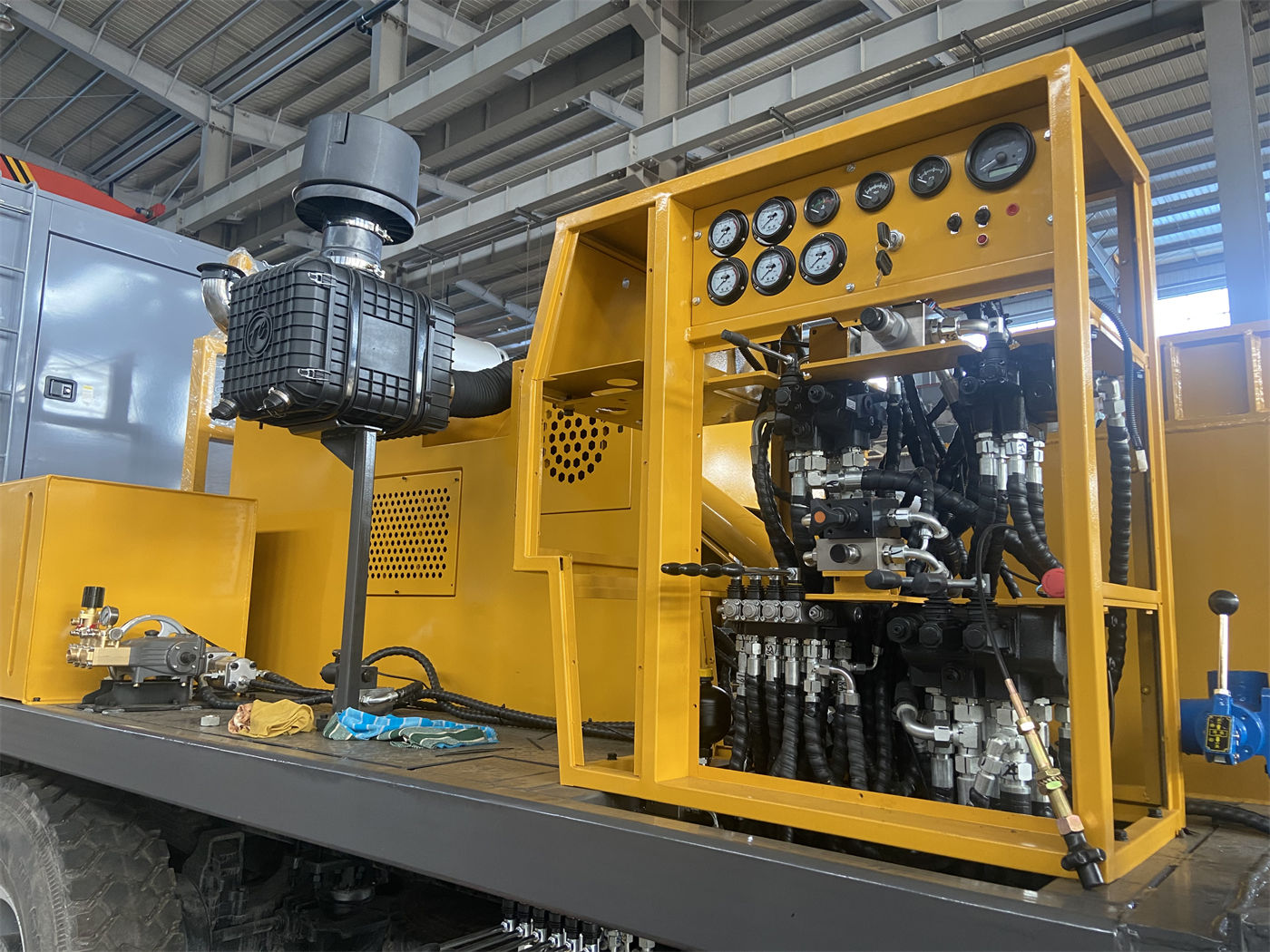
Fixed drilling sites in mines, industrial parks, or long-term construction projects may have a stable grid. The data states that the WR1200SL can be configured between diesel and electric options according to site conditions, providing a choice for fixed sites to reduce fuel consumption and exhaust emissions. Here it is necessary to distinguish between "can be configured" and "configuration already determined": whether to adopt the electric option should be jointly decided by on-site grid conditions and the manufacturer's confirmation.
"Dual Diesel-Electric" Does Not Mean Both Modes Are Used Simultaneously
The available data only states that the equipment adopts a diesel/electric dual-power configuration and supports configuration between the two options according to site conditions. It does not describe the switching method, simultaneous operation conditions, or switching time of the two power sources. If there is an actual switching requirement during procurement, the specific implementation and limitations should be confirmed with the manufacturer, and should not be inferred independently.
Information Recommended for Verification Before Procurement
- Power supply method at the project location: whether there is a stable grid, whether connection is permitted, and the distance from the connection point to the drilling site.
- Power supply system parameters: voltage, frequency, transformer capacity, available capacity, and starting conditions.
- Construction organization method: fixed drilling site or multi-point relocation, project duration, and whether construction will be at the same location for a long time.
- Supporting conditions for the diesel option: fuel supply, transportation and storage conditions, and the engine cooling, air filtration, fuel system, and hydraulic oil temperature maintenance requirements mentioned in the data.
- Complete technical data for the electric part: power, voltage, frequency, starting scheme, and control method all require written confirmation from the manufacturer.
Data Boundaries That Need to Be Stated
The data on this site gives a clear parameter for the WR1200SL's diesel power—a 264 kW Cummins engine—but for the electric part it only states that it "should be determined according to the project's power supply system," without providing applicable electric power, voltage, frequency, or starting current values. Therefore, this article cannot provide a specific conversion relationship between the electric option and the diesel option, nor can it judge whether a certain grid capacity meets the requirements. These contents need to be confirmed by the manufacturer during the procurement stage based on the project's actual power supply conditions.