












The WR300SE has a standard power of 73kW and also offers an 85kW optional configuration. Both power levels are for the same 300m-class crawler fully hydraulic drilling rig and the same 105–325mm hole diameter range. Choosing 73kW or 85kW is not about comparing numbers, but about determining the load level the equipment will be under long-term at the planned hole diameter, planned formation, and planned process.
First, clarify what loads the power system bears on the WR300SE
The WR300SE power system must simultaneously support rotation, lifting, thrusting, traveling, and auxiliary systems. Key working parameters provided include: maximum rotary torque 7000/3500N·m, corresponding to maximum rotary speeds of 80/160r/min; lifting force 15T; fast lifting speed 30m/min, fast thrusting speed 55m/min; crawler travel speed 2.5km/h. These actions do not run at full load simultaneously, but large-diameter rotation, deep-hole tripping, and hard rock pneumatic drilling will significantly increase power demand.
Therefore, to judge whether the power is sufficient, you should first look at which part of the hole diameter range the project is concentrated in long-term, what process is used for drilling, and who provides the air compressor and other external equipment—not just whether the well depth is 300m.
Judging by hole diameter: the 105–325mm span is relatively large
The WR300SE's 105–325mm is the allowable drilling diameter range, which does not mean that the 73kW standard power can achieve the same efficiency at any hole diameter. The larger the hole diameter, the greater the volume of rock broken at the hole bottom, the rotational resistance, and the cuttings removal burden. The data mentions that the rotary system has two maximum torque levels of 7000/3500N·m and two speed levels of 80/160r/min. The lower speed, high torque state is more suitable for larger hole diameters and higher load conditions.
- If the project mainly involves smaller hole diameters and conventional well completion, and drills through loose layers using mud rotary or similar methods within a 300m-class depth, the 73kW standard power is the base configuration given in the data.
- If the project long-term uses a larger hole diameter close to 325mm and requires continuous rotation in harder rock formations or DTH hammer drilling, the 85kW should be considered as an evaluation option, checked against actual load with the manufacturer.
- If the same equipment is used for both small-diameter water wells and occasionally large-diameter engineering wells, what needs to be confirmed is the high-frequency working condition, not the occasional maximum hole diameter.
The data does not provide drilling efficiency comparison data between 73kW and 85kW under specific hole diameters and specific formations. This article does not infer how much difference there is between the two; this part should be based on the manufacturer's calculation according to actual working conditions.
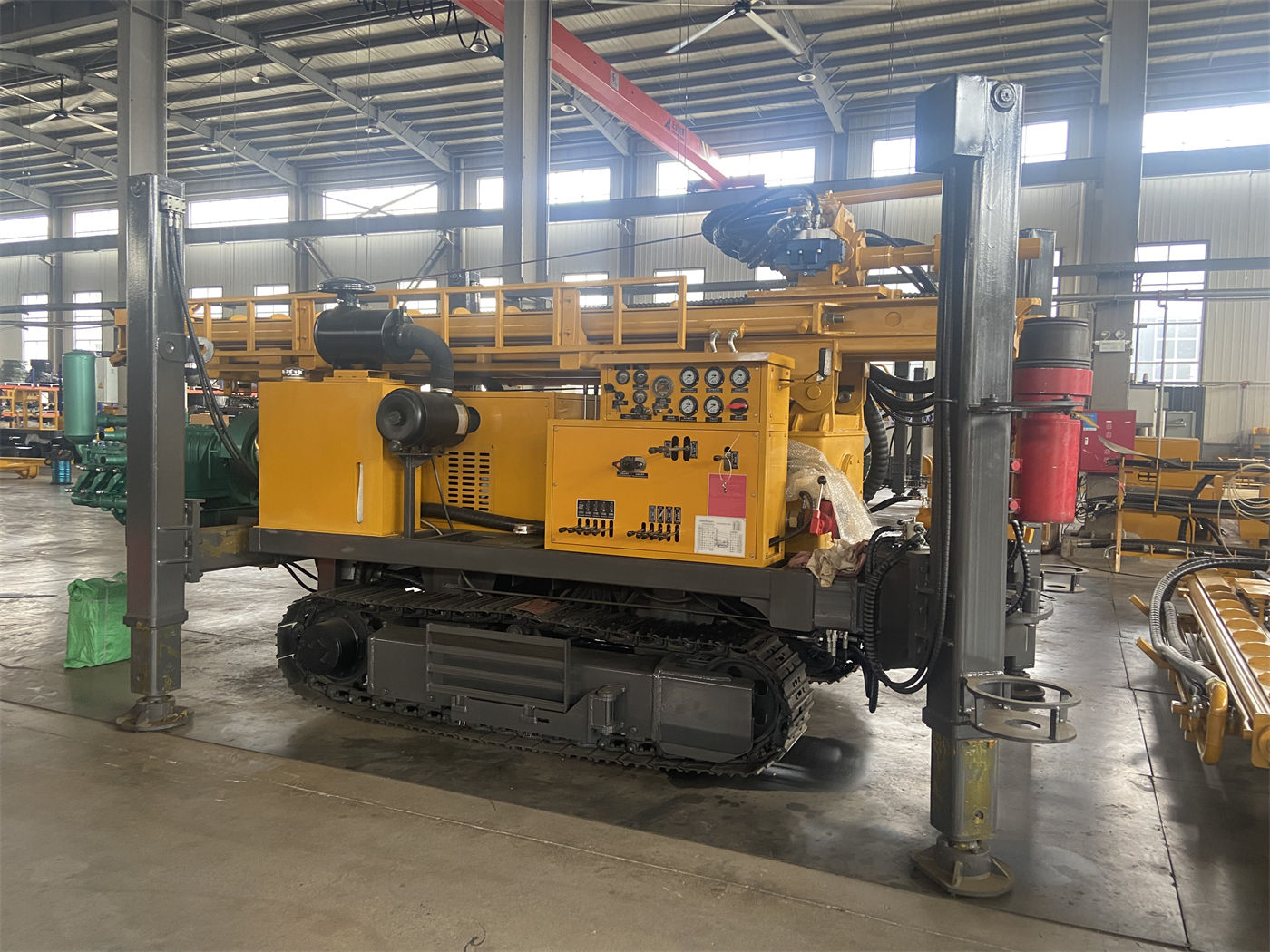
Judging by formation: power concerns differ between loose layers and rock layers
Loose formations
The data clearly states that the WR300SE is suitable for loose formations and rock formations. Soil, clay, sand, and gravel layers can use mud rotary and other methods to maintain borehole wall stability. The construction focus in such formations is described in the data as hole stabilization rather than speed. Common problems include hole collapse, diameter shrinkage, and drill burial. Priority should be given to mud circulation, casing, and borehole wall protection. In terms of power, if the loose layer has a small hole diameter and conventional well depth, the 73kW standard power falls within the configuration range indicated by the data; if long-term construction is in large-diameter gravel layers, the continuous load of rotation and mud circulation will increase, and power margin needs to be checked with the manufacturer.
Weathered rock and intact rock formations
After entering weathered rock, limestone, sandstone, or other relatively intact rock formations, DTH hammers and air compressors can be configured according to hardness and hole diameter. At this point, the equipment's power demand is not only for rotation but also includes the matching capability for pneumatic drilling. Hard rock drilling should pay attention to DTH hammer lubrication, drill bit wear, air volume, and cuttings removal status to prevent rock powder accumulation at the hole bottom from reducing efficiency.
The DTH hammer working parameters given in the data are: recommended working pressure 1.2–3.5MPa, air consumption 16–55m³/min, compatible with medium and high-pressure series DTH hammers. Actual air compressor selection cannot be based only on pressure; it must also combine hole diameter, drill pipe, DTH hammer specifications, rock formation hardness, and altitude. Insufficient displacement usually directly affects impact efficiency and hole bottom cuttings removal. The air compressor and drilling rig power are two separate systems. Choosing an 85kW drilling rig does not automatically solve the air compressor displacement problem. During procurement, the two should be confirmed as a set of conditions.
Judging by construction conditions: altitude, continuous operation, and environment
The judgment given in the data regarding power is: for projects mainly involving conventional hole diameters and general formations, standard power helps control equipment cost; if the project is long-term under larger hole diameters, hard rock, or high-altitude conditions, a higher power configuration can be evaluated. Here, high altitude is listed alongside larger hole diameters and hard rock, indicating that in environments with lower air density and limited power output, power margin deserves more attention.
The data does not provide power correction values for the WR300SE at different altitudes, nor does it provide derating data under high-temperature or severe cold environments. If the project is located in a high-altitude or extreme temperature area, what needs to be confirmed with the manufacturer is not "whether 85kW is definitely enough," but the available output and cooling capacity of that configuration at the target altitude and temperature.
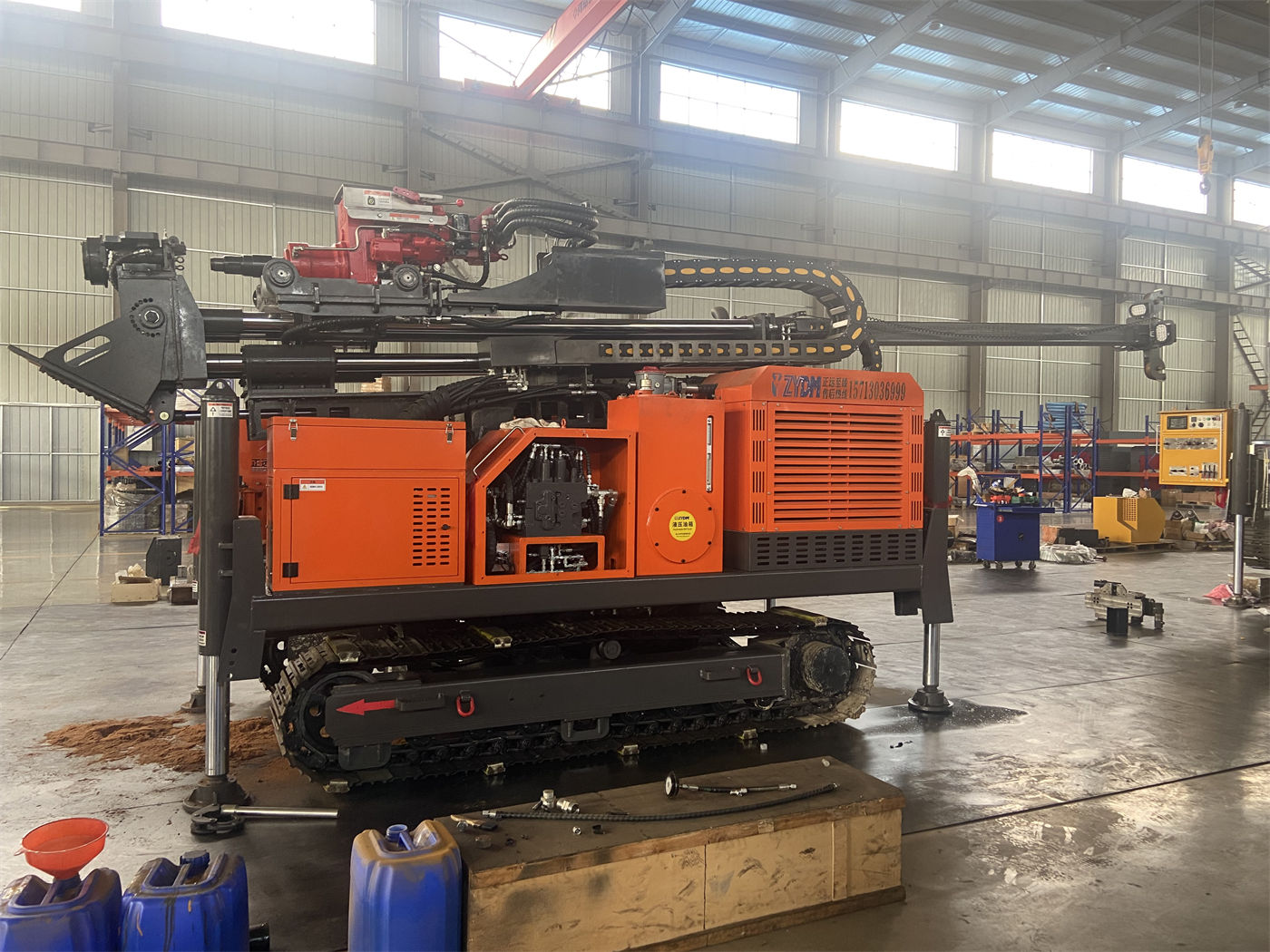
Include process, drill pipe, and auxiliary systems in the power judgment
The WR300SE supports 3m and 6m drill pipes, with recommended drill pipe diameters of 89/102mm. 6-meter drill pipes can reduce the number of pipe connections and improve continuous drilling efficiency; with fewer connections, the proportion of time spent drilling per unit time increases, and the continuous load time of the power system will also change accordingly. This point is easily overlooked when selecting a power configuration.
The data provides optional accessories such as mud pumps, centrifugal pumps, generators, and foam pumps, and states that they should be combined according to the main drilling method, on-site power supply, drainage conditions, and formation characteristics to avoid unnecessary procurement costs and transportation burdens. Whether the accessories are driven by the drilling rig power or have independent power will affect the main machine's load distribution. Before procurement, each item should be confirmed individually, rather than first deciding on 73kW or 85kW and then adding accessories.
Checklist recommended to confirm with the manufacturer before procurement
| Confirmation item | Content to specify |
|---|---|
| Main hole diameter | Which part of the 105–325mm range the project is concentrated in long-term, and the frequency of the maximum hole diameter |
| Main formation | Proportions of loose layers, weathered rock, intact rock, fractured zones, and fissure zones |
| Drilling process | Combination of mud rotary, DTH hammer, or other methods, and switching conditions |
| Air compressor matching | Actual selection within the air pressure 1.2–3.5MPa and air consumption 16–55m³/min range, and who provides it |
| Power configuration | Availability explanation of 73kW and 85kW under planned working conditions |
| Environmental conditions | Impact of altitude, high temperature, or severe cold on power and cooling |
| Optional accessories | Whether mud pumps, centrifugal pumps, generators, and foam pumps are optional and their power source |
Do not miss matching items beyond power
Power is only one part of WR300SE selection. The overall weight is about 7.2T, travel speed is 2.5km/h, maximum climbing angle reference is 21°, and the crawler chassis is suitable for rural roads, gravel ground, construction sites, and generally uneven terrain; hydraulic outrigger stroke is 1.5m, used for equipment support and site leveling, and additional pads should be added on soft ground. The 15T lifting force is used for drill pipe tripping, DTH hammer recovery, and some casing operations. As hole depth increases, the self-weight of the drill pipe and borehole wall friction both increase, so lifting resistance should be continuously observed during construction. These parameters are interrelated with power selection and should be checked together during procurement.
The reference drilling efficiency in the data is 10–35m/h, and it clearly states that the actual penetration rate depends on formation, hole diameter, drilling tools, air compressor, and operation method. The fast thrusting speed of 55m/min should not be understood as the actual drilling speed. Similarly, 73kW or 85kW alone cannot determine well completion efficiency. The final drilling efficiency, drilling depth, and well completion effect should be based on on-site working conditions.
If the project conditions are concentrated in conventional hole diameters and general formations, the 73kW standard power is the base configuration given in the data; if facing larger hole diameters, hard rock, or high-altitude conditions long-term, the 85kW should be included in the evaluation, and a calculation explanation based on actual working conditions should be requested from the manufacturer. The data does not provide comparison data between the two power levels under the same working conditions, so procurement decisions should not be made solely based on power figures.