












The dual-mode torque of the WR600S cannot simply be matched as “12000 N·m for large hole diameters and 6000 N·m for small hole diameters.” The data gives two ranges of 12000/6000 N·m, corresponding to maximum speeds of 90/180 r/min; the basis for selection is the rotary load formed jointly by hole diameter, rock formation resistance, drilling tool weight, and in-hole friction, not a single well diameter figure. Procurement judgment should first determine the main hole diameter range and main rock formation, then check whether the power head can maintain stable rotation at the required speed.
First Look at the Correspondence Between WR600S Torque Ranges and Speeds
The data clearly states the maximum torque as 12000/6000 N·m, with the two ranges corresponding to maximum speeds of 90 r/min and 180 r/min respectively. This is the most important comparison for procurement: when torque increases, the available speed decreases, and the equipment capability cannot be understood as maximum torque and maximum speed at the same time.
| Working Mode | Maximum Torque | Corresponding Maximum Speed | Application Direction per Data |
|---|---|---|---|
| Low speed, high torque | 12000 N·m | 90 r/min | Larger hole diameters, hard rock, high-friction hole sections |
| Higher speed | 6000 N·m | 180 r/min | When resistance is lower or drilling tool load is lighter |
Actual construction should be dynamically adjusted based on the bit, DTH hammer, cuttings return, and rotary load, rather than fixed use of one range. The data does not give recommended ranges for each hole diameter. If ranges need to be assigned according to specific well diameters during procurement, this should be confirmed with the manufacturer.
Judging by Hole Diameter: Load Differences Are Obvious Within the 105–400 mm Range
The WR600S drilling diameter is 105–400 mm. The larger the hole diameter, the greater the rock-breaking area at the hole bottom and the cuttings discharge volume, making it easier to increase rotary resistance in hard rock or high-friction hole sections. Therefore, large-diameter sections are closer to the low-speed, high-torque state, while small-diameter sections can consider higher speed when resistance is lower or the drilling tool load is lighter.
- At the upper hole diameter limit of 400 mm, it should be verified in conjunction with rock formation hardness whether the 12000 N·m range will be relied on for a long time, and whether the available speed in that range can meet cuttings discharge and penetration requirements.
- When the hole diameter is close to 105 mm, it cannot be directly assumed that the 6000 N·m range must be used; the degree of rock formation integrity, drill pipe friction caused by hole depth, and DTH hammer specifications must still be considered.
- The same well may use a multi-stage hole diameter structure. During procurement, the planned opening, final hole, and each section's hole diameter should be described separately so the manufacturer can judge torque range allocation.
The data does not provide a correspondence table between different hole diameters and ranges. Therefore, in selection communication, the main hole diameter sections and corresponding rock formations should be provided, rather than only writing one hole diameter range.
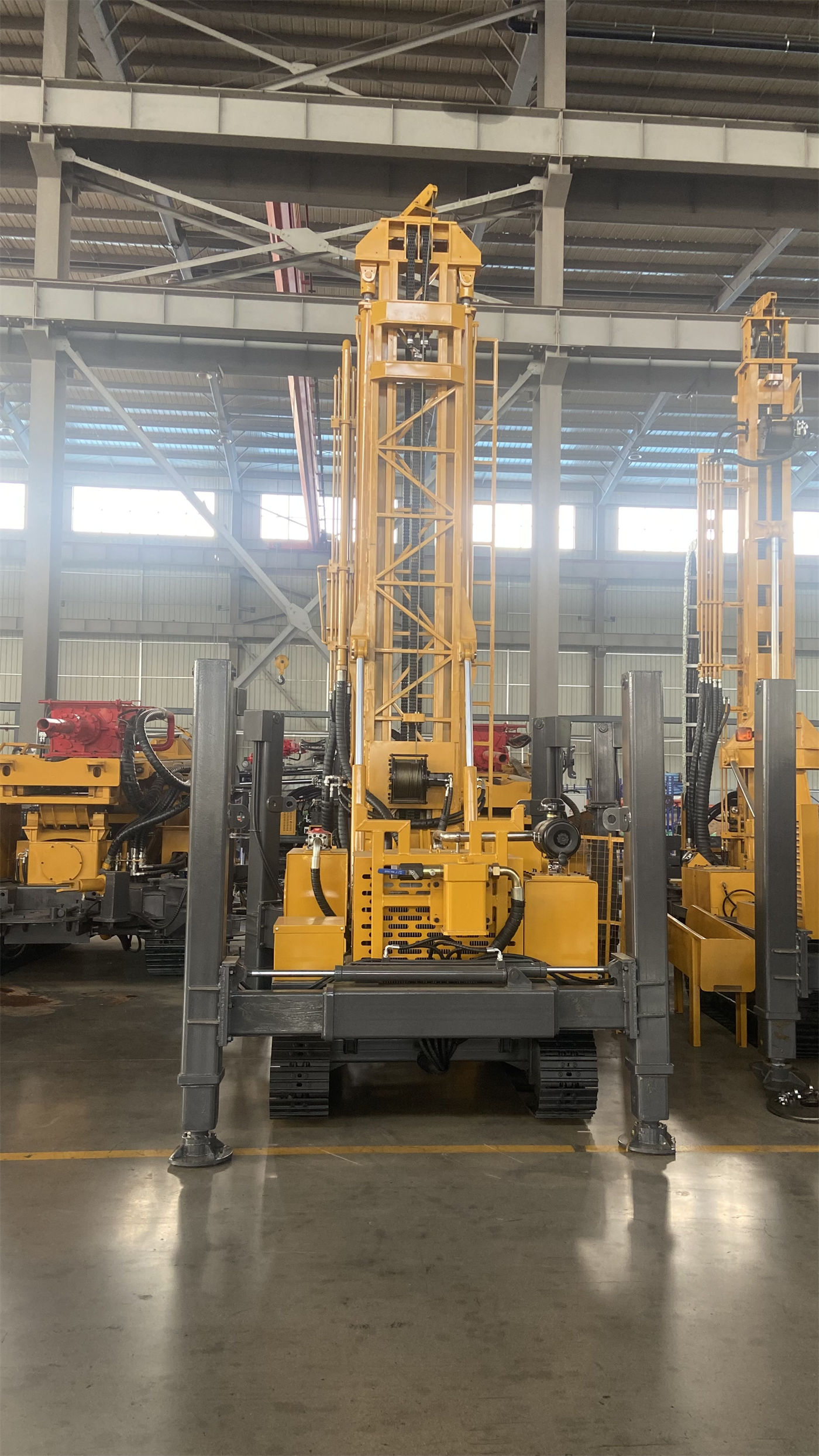
Judging by Rock Formation: Differences Between Hard Rock, Weathered Rock, and Overburden
Relatively intact hard rock such as granite, limestone, and sandstone
The data states that after entering relatively intact hard rock, medium- and high-pressure DTH hammer drilling can be used. In hard rock conditions, DTH hammer lubrication, stable air volume, and timely cuttings discharge should be ensured. Hard rock sections are one of the main use scenarios for the 12000 N·m low-speed, high-torque range. If cuttings return decreases significantly, torque rises, or air pressure fluctuates, the hole should be cleaned in time and the bit and DTH hammer condition checked, rather than simply increasing rotary parameters.
Weathered rock and alternating soft-hard formations
Weathered rock often has faster penetration, but the hole wall is prone to caving and diameter reduction; alternating soft-hard formations cause frequent changes in rotary torque and feed resistance. Such formations require timely adjustment of rotation, feed, and hole cleaning frequency. During procurement, the response method of dual-mode switching in actual operation should be confirmed. The data does not give the time or operating steps required for switching.
Soil, clay, sand, and gravel overburden
The WR600S supports mud rotary drilling. For upper soil, clay, sand, and gravel layers, priority should be given to hole stabilization, cuttings carrying, and hole wall protection. Mud, casing, or other wall protection methods can be used, and after entering more stable rock, DTH hammer drilling can be switched to. Rotary resistance in overburden sections is usually lower than in intact hard rock, but the range cannot be determined solely by formation name; actual cuttings return and rotary load must still be considered.
Fractures, broken zones, and air-loss formations
Broken zones are prone to caving, diameter reduction, air loss, and sticking. During construction, excessively fast feed should be reduced, continuous hole cleaning should be maintained, and foam or casing should be used according to site conditions. The data points out that if air loss is severe, the condition of fractures and cavities should be judged, rather than simply increasing air compressor pressure. The selection of ranges for such hole sections should be based on avoiding sticking and maintaining hole cleaning, and specific parameters need on-site judgment.
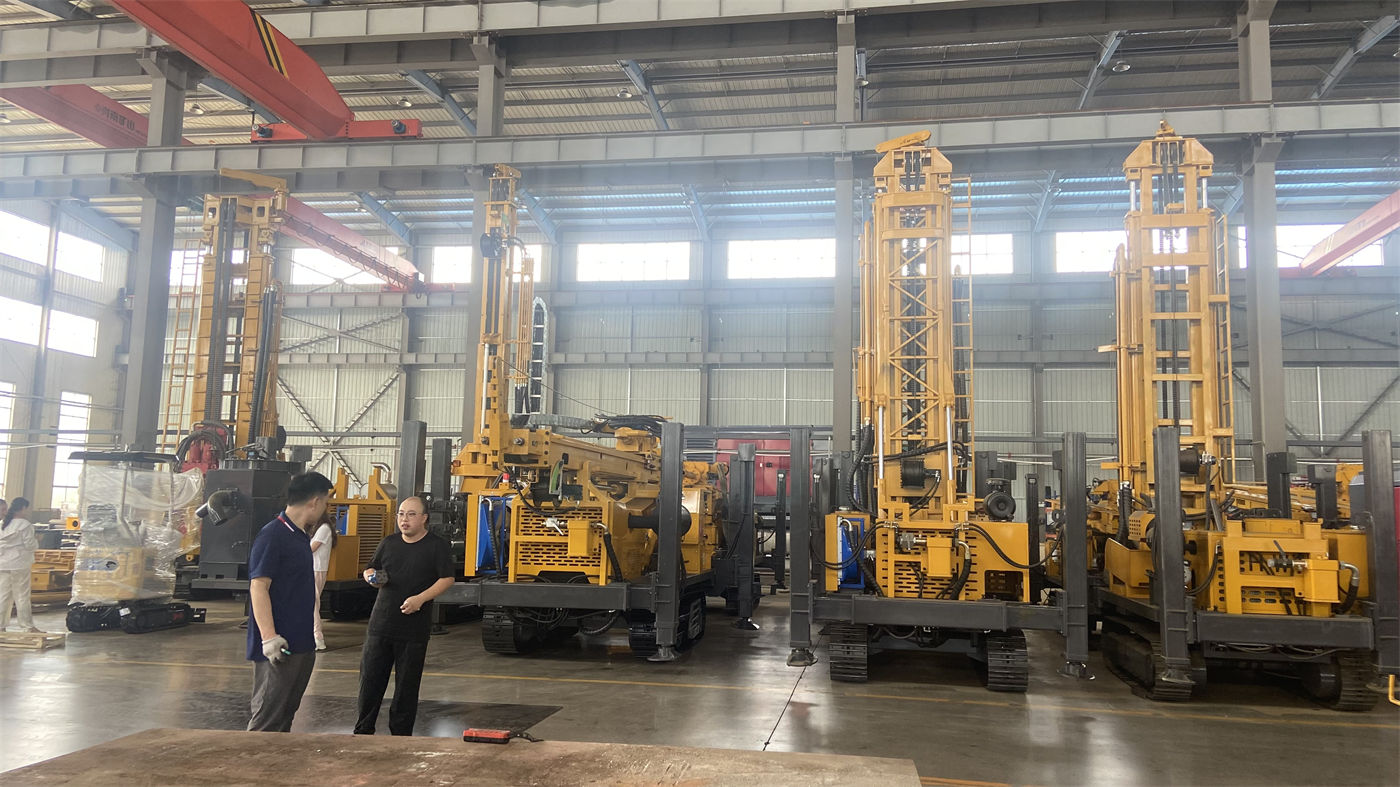
Supporting Conditions Will Change the Actual Selection of Torque Ranges
Torque ranges are not isolated parameters. The WR600S is equipped with a 132 kW Cummins engine, 35 T lifting force, 6 T axial pressure, and drill pipe diameters of 89/102 mm and drill pipe length of 6 m. In 600m-class drilling, drill pipe weight, thread load, and hole wall friction all increase significantly. Drill pipe specifications, material, connection strength, DTH hammer specifications, and main hole diameter all affect the actual rotary load.
- Recommended working air pressure for DTH hammer drilling is 1.2–3.5 MPa, with air consumption of 16–55 m³/min. When hole depth increases, hole diameter becomes larger, rock formation becomes harder, or altitude rises, the actual required displacement may increase, and the air compressor must be matched separately for the project.
- The 35 T lifting force is beneficial for normal tripping, DTH hammer recovery, and some casing operations. If pulling resistance suddenly becomes abnormal, the hole should be cleaned first and the hole wall condition judged, avoiding direct reliance on maximum lifting force for forced handling.
- Crawler travel speed is about 3 km/h, maximum climbing angle reference is 21°, and overall weight is about 12.5 T. Site transfer conditions affect the continuous operation arrangement after the equipment arrives, but do not directly determine the torque range.
Working Condition Information to Prepare Before Procurement
To discuss the applicability of the 12000/6000 N·m ranges with the manufacturer, it is recommended to provide the following information: planned well depth and final hole diameter, length of each hole diameter section, main rock formation type and integrity, whether a DTH hammer is used and its specifications, air compressor displacement and working pressure, drill pipe specifications, whether casing needs to be handled, local altitude, and groundwater conditions.
The data does not provide a recommended torque range table for different rock formation and hole diameter combinations, nor does it provide penetration efficiency data corresponding to each range. The reference drilling efficiency is 10–35 m/h, but actual penetration speed in rock formations still depends on formation hardness, hole diameter, DTH hammer, air compressor displacement, and operating method. Therefore, during procurement, the manufacturer should not be asked to promise penetration speed under a fixed range. Instead, geological conditions and supporting equipment should be clearly explained, and the manufacturer should confirm based on this whether the power head torque and speed can cover the main working conditions.
Matters Requiring Further Confirmation
- The switching method, switching conditions, and operating limits of the 12000 N·m and 6000 N·m ranges are not explained in the data.
- Recommended range allocation for different hole diameter and rock formation combinations is not provided in the data.
- The continuous working capability and temperature rise performance of the dual-mode torque under 600 m hole depth conditions are not given in the data.
- The air compressor displacement, drill pipe material, and DTH hammer specifications to be configured for a specific project need to be confirmed separately based on geological data.
The dual-mode torque of the WR600S is itself a usable parameter, but procurement judgment should return to the project's main hole diameter range and main rock formation resistance. For projects with larger hole diameters, mainly hard rock, or high in-hole friction, it is more necessary to explain the available speed and supporting conditions under the 12000 N·m range during the inquiry stage; for projects with smaller hole diameters and lower rock formation resistance, it should be confirmed whether the 6000 N·m range can meet the planned penetration requirements. When geological and supporting data are lacking, it is not advisable to judge equipment suitability based only on torque figures.