












The CS3 three-in-one cyclone sampling system on the WR500RC-CS3 addresses the process integration of return sample, cyclone separation, splitting, and collection, but it does not automatically establish a sample depth archive. For gold and copper exploration projects to ensure that each sample bag corresponds to the hole depth and can withstand submission and review, the procurement stage should include depth marking rules, field recording methods, sample quality control requirements, and handling agreements for anomalous hole sections in the technical verification checklist, rather than only confirming whether the equipment can produce samples.
First, distinguish what the equipment can do and what it cannot replace
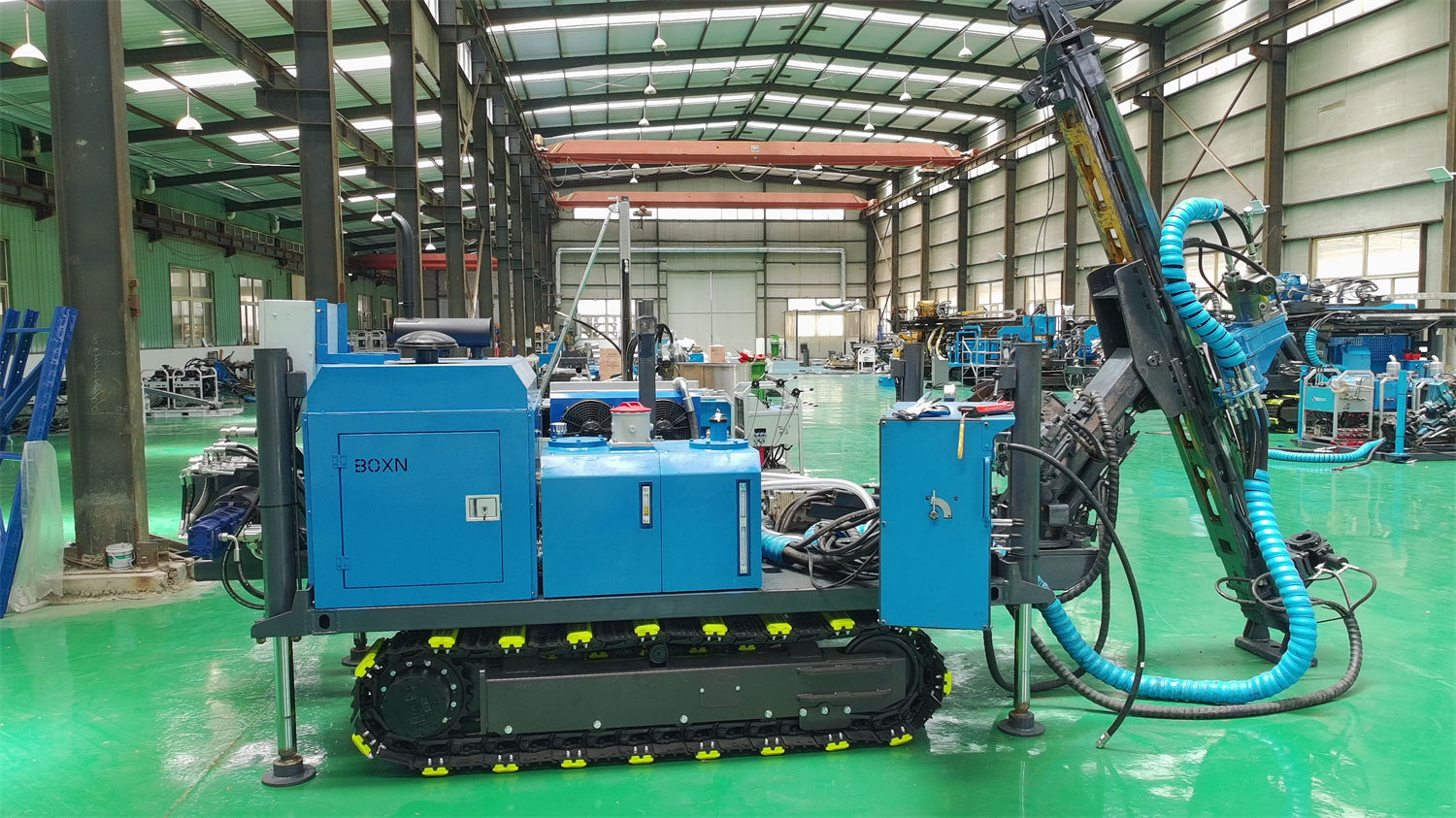
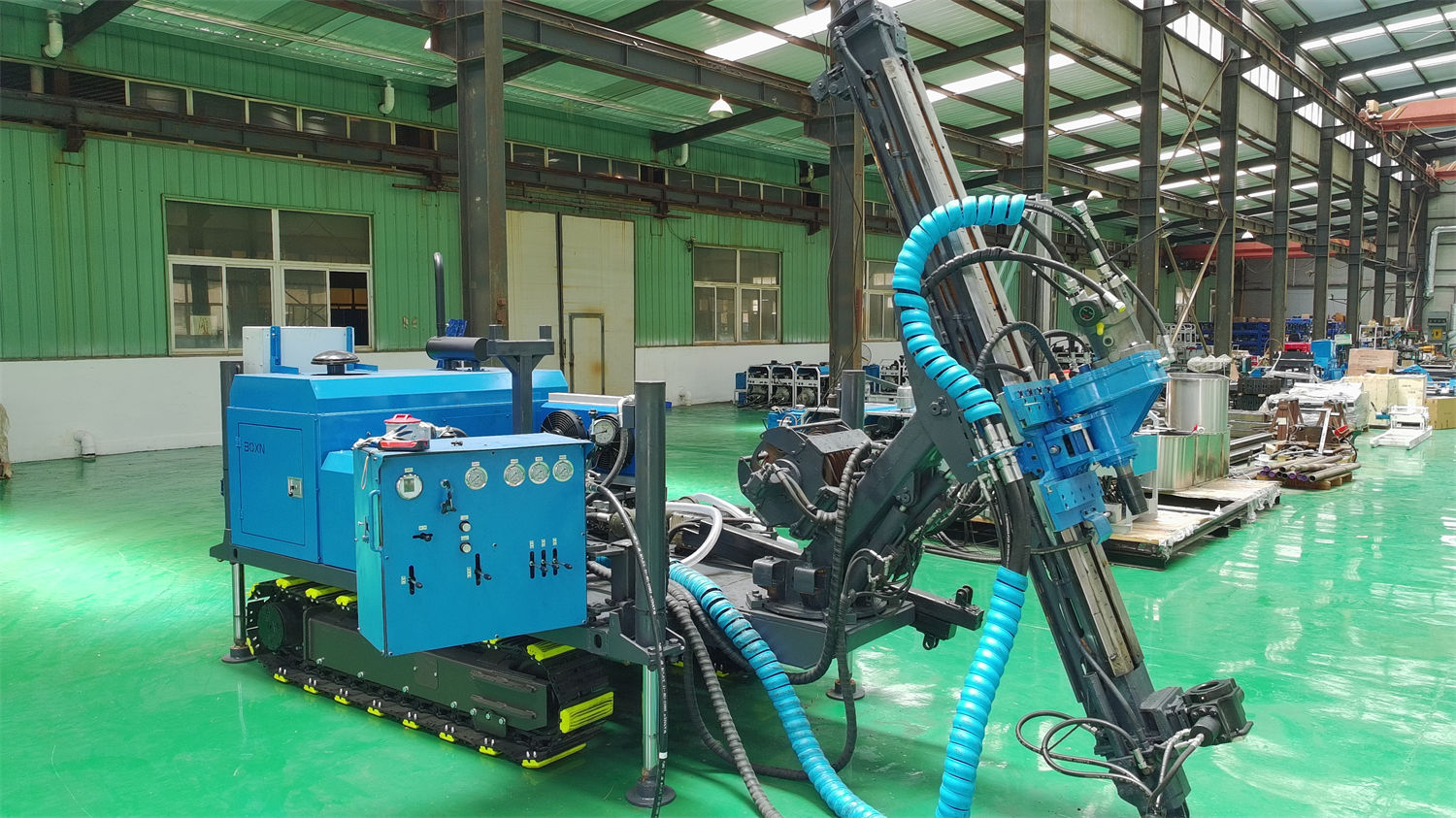
According to the information, the WR500RC-CS3 is a 500-meter class tracked reverse circulation drill rig with a maximum drilling depth of 500 m, a hole diameter of 105–400 mm, a 132 kW Cummins engine, and support for 45° and 90° working angles. The CS3 system integrates cyclone separation, representative splitting, and sample collection into a single unit. After drill cuttings return to the surface through the inner tube of the dual-wall RC drill pipe, they enter the cyclone system for gas-solid separation and then pass through the splitting mechanism to form samples usable for geological logging and assay.
The equipment information also explicitly states that each sample bag can be marked with the hole number, start and end depths, date, and sample number to facilitate subsequent submission, archiving, and traceability. In other words, traceability is achieved through a combination of "equipment splitting + manual identification + field records." What buyers need to verify is who provides the interface rules among these three, whether they are documented, and whether they can be executed on site.
To what extent should sample bag identification be specified?
The minimum fields given in the information are hole number, sample number, start and end depths, and date. In procurement communication, the following items can be confirmed one by one to see whether the manufacturer specifies them in the delivery documents:
- Whether there is a unified numbering rule on the sample bag in addition to handwriting, and whether the number uses the same sample number as the field record sheet.
- Whether "start and end depths" are based on hole depth or converted from drill rod length, and whether the rod connection length is recorded as the basis for conversion.
- Whether one sample bag corresponds to a fixed footage interval or whether the interval can be temporarily adjusted according to lithological changes; how numbering continuity is maintained when adjustments are made.
- The bag body and sealing method for wet samples and water-bearing samples, and whether the sample state needs to be marked separately.
- How the correspondence between sample bags and field record sheets is cross-checked, and what procedure is followed when the number of bags and the number of records do not match.
These belong to the project sampling management system level. The information only describes the fields that can be marked and does not provide specific table formats or numbering specifications. During procurement, they should be raised as items to be jointly confirmed by the project party and the manufacturer, and should not be assumed to be included with the equipment.
How to achieve one-to-one correspondence between field records and samples
The depth correspondence of reverse circulation sampling ultimately rests on field records. The information mentions that reverse circulation inner tube return samples help reduce the probability of sample mixing between different hole sections, but sample representativeness is still related to hole cleaning, rod connections, return sample stability, and on-site sampling management. Before procurement, the division of responsibilities for the following steps can be confirmed:
- During drilling, who records the footage, who is responsible for splitting, and who is responsible for bagging and numbering; whether the recording position and sampling position are separated.
- When drilling resumes after rod connection, hole cleaning, or a stop, what rules apply to transition section samples, and whether they are retained or marked separately.
- Who continuously observes the return sample volume, particle size, color, moisture, and signs of cross-contamination and writes them into the shift report.
- Who completes a check between the field record sheet and sample bags before submission, and where the check results are kept.
The information gives the handling direction for transition samples as "handled according to the on-site sampling system" and does not specify a concrete method. Therefore, this part can only serve as a procedural item to be jointly confirmed by the manufacturer and the project geological lead during procurement, and one cannot set unverified operating standards for the other party.
Under which formation conditions is depth marking prone to inaccuracy?
The information explicitly points out two types of situations that affect the correspondence between samples and depth. One is fault fracture zones, breccia, and fractured formations, where wall caving may temporarily remain in the hole and then return in a concentrated manner, thereby affecting the correspondence between samples and depth. The corresponding handling direction is to control the penetration rate, maintain stable air supply, and increase field records in anomalous hole sections, marking sample quality separately if necessary. The other is upper soil layers, clay, sand layers, and gravel layers. The information notes that such formations may not be suitable for direct RC pneumatic drilling; mud, casing, and other methods can first be used to stabilize the upper hole section, and after entering rock, the process can be switched to reverse circulation or DTH.
When verifying sample traceability for gold and copper projects, buyers can compare the known formation conditions of the mining area with the above two situations, clarify which hole sections are expected to require denser records, separate marking, or a different process, and include this as part of the on-site sampling plan in the technical communication record.
Project quality control samples should be confirmed in advance
The information mentions that for ore samples requiring laboratory analysis, duplicate samples, blank samples, and standard samples should also be set up according to project quality control requirements. The insertion frequency, numbering method, and correspondence with the main samples for these three types of samples belong to project quality control requirements, and the information does not give specific quantities or proportions. What can be confirmed at the procurement stage is whether the manufacturer's delivery documents include explanatory documents related to sample management, whether on-site personnel training covers sample identification and recording requirements, and whether consumable items such as sample bags and record sheets are within the scope of supply. These items can be checked together with the delivery scope and standard accessories to avoid discovering after construction begins that the recording media are incomplete.
Suggested procurement checklist
Around "sample depth marking and data traceability," the items to be confirmed can be organized into the following table and clarified one by one with the manufacturer or project geological lead.
| Check item | Content to confirm | Status of information basis |
|---|---|---|
| Sample bag identification fields | Hole number, sample number, start and end depths, date, and whether sample state marking is added | Information states four types of fields can be marked |
| Numbering and record correspondence | Whether sample bag numbers and field record sheets share the same sample number | To be confirmed with manufacturer and project party |
| Depth conversion basis | Whether start and end depths are based on hole depth or converted from drill rod length | To be confirmed; not specified in the information |
| Transition sample handling | Handling rules for transition sections when drilling resumes after rod connection, hole cleaning, or a stop | Information points to on-site sampling system |
| Anomalous hole section records | Denser records and separate marking methods for fractured zones, breccia, and fractured formations | Information indicates impact and recording direction |
| Quality control samples | Requirements for setting duplicate, blank, and standard samples | Mentioned in information; specific frequency to be confirmed per project requirements |
| Delivery documents and training | Sample management explanatory documents and coverage of on-site personnel training | To be confirmed; not listed in the information |
It should be noted that many items in the above table depend on the sampling system and quality control requirements of the gold and copper project itself. The product information on this site only covers descriptions at the equipment and CS3 system level and does not provide sampling forms, numbering specifications, or quality control frequencies for specific projects. Buyers should list these items as pending confirmation and have the project geological lead and manufacturer jointly determine them before entering into a contract or technical agreement.
One easily confused point
The CS3 three-in-one system reduces repetitive operations in ground transfer and manual splitting of samples and improves splitting efficiency and process integration. It does not replace management actions such as sample numbering, recording, and checking. If procurement treats "splitting efficiency" and "data traceability" as the same thing to verify, record gaps are likely to appear during construction. A more reliable approach is to verify them separately: on the equipment side, confirm the return sample path, splitting method, and sample collection capability; on the management side, confirm identification rules, record correspondence, and anomaly handling agreements.