












Three conditions should be checked first: first, whether the project truly has no stable power grid and requires a 200kW diesel generator to power the entire equipment set; second, whether the hole depth, hole diameter, and formation fall within the circulation and wall protection requirements corresponding to the 3NB-130 mud pump's specified displacement of 8.4–16.6 L/s and rated working pressure of 5–10 MPa; third, whether the short mast or long mast is used for the drill mast, because the drill pipe, kelly, and transport dimensions will change accordingly. The WRTR600 integrates the rotary table, double winch, drill mast, outriggers, SCGC-200kW diesel generator set, and 3NB-130 mud pump on a trailer chassis. The focus of procurement verification is not to look at a single parameter in isolation, but to see whether these parameters match the project conditions.
First Confirm the Project's Basic Conditions, Then Discuss Whether the Matched Components Are Suitable
The WRTR600 is a 600-meter-class trailer-mounted rotary table drilling rig, with a maximum drilling diameter of 500 mm, a rotary table through-hole diameter of 500 mm, and three rotary speeds of 38 / 57 / 85 r/min, corresponding to theoretical torques of approximately 13.8 / 9.2 / 6.2 kN·m. The main winch has a single-line pull of 40 kN, the auxiliary winch has a single-line pull of 30 kN, and the swivel has a maximum load of 30 T and an inner diameter of 63.5 mm. These are the basic data for judging whether the matched components are sufficient.
Information that needs to be verified with the user or project party includes at least:
- Design hole depth and completed hole diameter: 600 m and 500 mm are the nominal upper limits of the equipment. Actual drilling depth and hole diameter will be affected by formation, drilling tools, mud circulation, casing design, and downhole resistance.
- Formation type: soil, clay, sand, gravel, weathered rock, and mixed soil-rock formations have different requirements for mud performance and rotary speed.
- Well completion method: whether casing is installed, whether casing is installed in stages, and whether a larger well diameter and higher water yield are required.
- Whether the well site has a stable power grid, and the power capacity that can be provided on site.
- Relocation road conditions: road width, turning radius, bridge load capacity, height limits, and local trailer transport requirements.
When these conditions are unclear, it is impossible to judge whether the mud pump and generator configuration match; only a list of items to be confirmed can be made first.
3NB-130 Mud Pump: Check According to Displacement, Pressure, and Drive Power
Known Parameters of the Mud Pump
| Parameter Item | Parameter Value |
| Mud pump model | 3NB-130 |
| Specified displacement | 8.4–16.6 L/s |
| Rated working pressure | 5–10 MPa |
| Input speed | 565 r/min |
| Drive power | 90 kW motor |
Displacement Must Match Hole Diameter and Mud Return Velocity
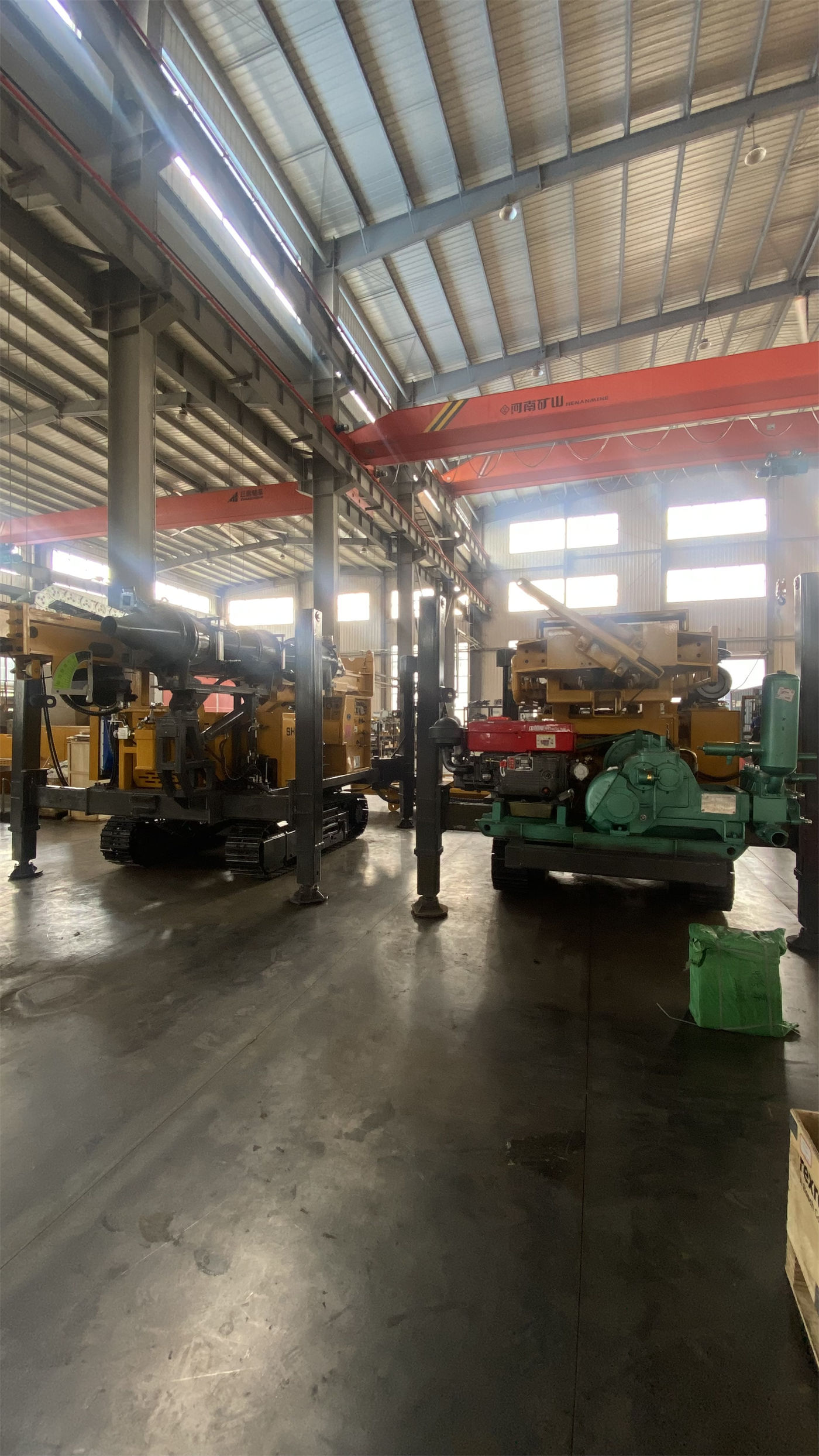
Mud circulation carries drill cuttings, cools the drill bit, maintains borehole wall stability, and controls downhole pressure. The larger the hole diameter and the deeper the hole, the higher the displacement usually required to maintain mud return. The specified displacement of the 3NB-130 is 8.4–16.6 L/s. During procurement, the planned hole diameter, drill pipe or drilling tool combination, and expected mud return velocity should be listed together to determine whether this displacement range can cover the main hole sections. The materials do not provide recommended displacements for different hole diameters, so this part needs to be confirmed separately through project parameters and should not be inferred independently.
Pressure Should Be Considered Together with Downhole Resistance and Pipeline Conditions
The rated working pressure of 5–10 MPa is the pump's capability range. Actual pump pressure is affected by hole depth, mud viscosity, circulation pipeline length, and downhole resistance. Mud that is too thick will increase circulation resistance and mud pump load, while mud that is too thin may lead to insufficient cuttings removal and borehole wall instability. Therefore, before procurement, the planned mud system and expected circulation resistance should be included in the verification scope, rather than only looking at the pump's rated pressure.
Different Formations Require Different Mud Pump Verification Priorities
- Soil, clay, and soft overburden: the focus is to adjust mud viscosity according to formation permeability, hole diameter, and mud return conditions, avoiding mud that is too thin or too thick.
- Sand, gravel, and loose overburden: prone to hole collapse and mud loss. Consider appropriate mud performance combined with temporary casing or staged casing, establishing a stable hole section before drilling deeper.
- Weathered rock and mixed soil-rock formations: with obvious changes in hardness, roller bits, drag bits, or other rotary drilling tools can be selected according to actual conditions, and the construction state can be adjusted in combination with rotary table speed, torque, and mud pump displacement.
It should be noted that the above is the correspondence between formations and processes given in the equipment materials. Whether it applies to a specific project should still be confirmed in combination with formation survey data and well completion design.
200kW Diesel Generator: Check According to Electrical Load and Site Conditions
Known Parameters of the Generator
| Parameter Item | Parameter Value |
| Generator set model | SCGC-200kW diesel generator set |
| Rated power | 200 kW |
| Rated voltage | 380 V |
| Rated current | 360 A |
| Frequency | 50 Hz |
First Confirm Whether It Is a Site Without a Power Grid
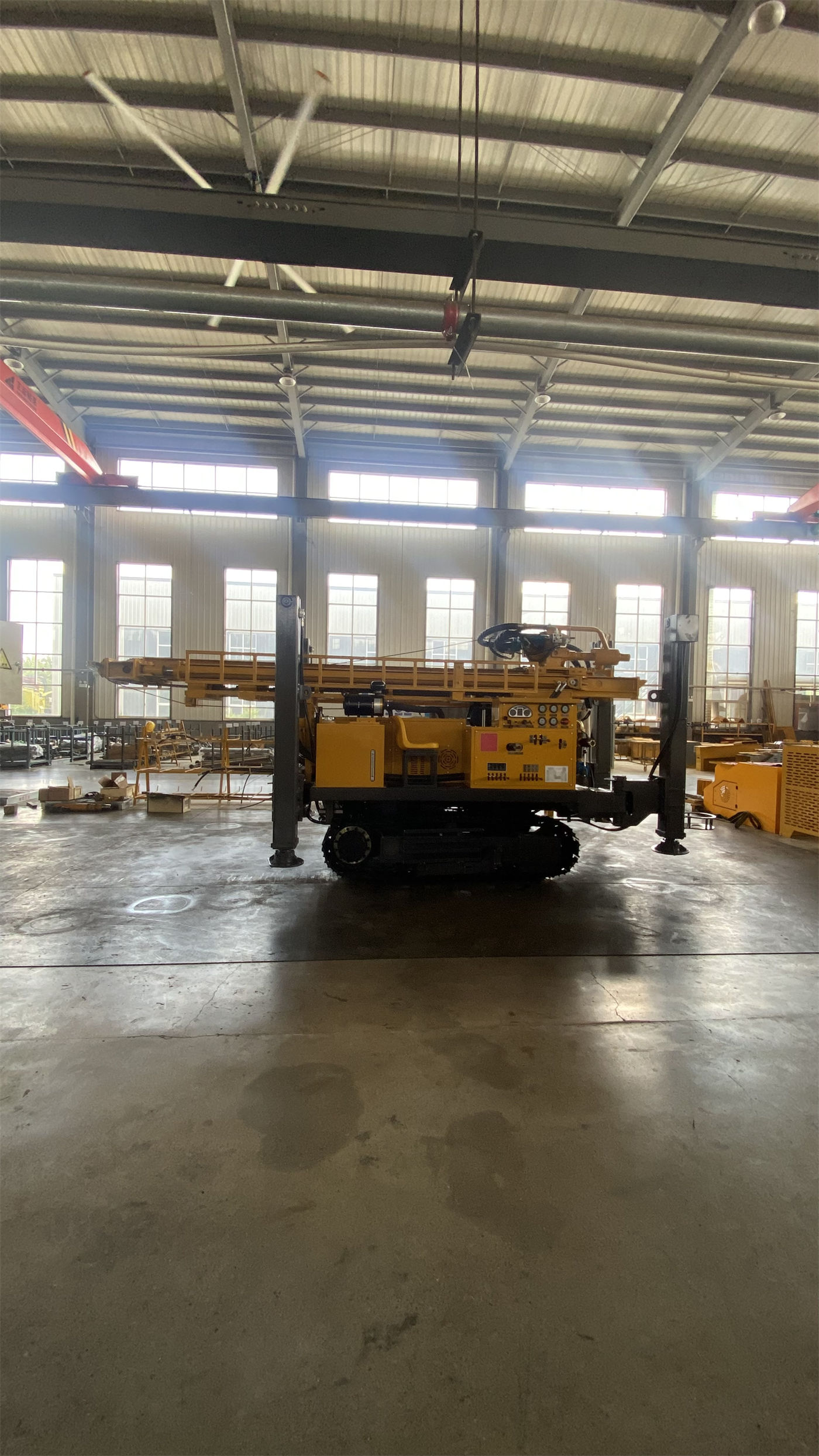
The WRTR600 integrates the SCGC-200kW diesel generator set, which can supply power to the mud pump, hydraulic oil pump, and auxiliary electrical equipment, making it suitable for remote areas and projects lacking a stable power grid. The applicable premise of this configuration is that the site truly has no available stable power grid. If the project location can connect to mains electricity that meets the load requirements, the generator will be used differently, and the power supply plan should be clarified first during procurement.
Then Check the Electrical Equipment Running Simultaneously
The 3NB-130 mud pump is driven by a 90 kW motor; the hydraulic gear oil pump model is CB-E532F, with a displacement of 32 ml/r, a rated working pressure of 20 MPa, a maximum pressure of 25 MPa, and a drive power of 11 kW motor. In addition to these two items, there is also auxiliary electrical equipment on site. During procurement, the power, starting method, and operating schedule of equipment running simultaneously should be listed together to determine whether the 200 kW generator set can cover them. The materials do not provide a comprehensive load calculation value for the entire equipment set, so this item needs to be confirmed separately according to the actual configuration.
Voltage, Frequency, and Current Must Match the Electrical Equipment
The generator set has a rated voltage of 380 V, a frequency of 50 Hz, and a rated current of 360 A. Before procurement, confirm that the voltage and frequency requirements of the electrical equipment at the project site match the generator set to avoid interface or adaptation issues.
Differences in Drilling Tools and Transport Between Short Mast and Long Mast
The WRTR600 is available in short mast and long mast versions, with different drilling tool configurations and transport dimensions. During procurement, one should not only look at the drilling depth figure.
| Item | Short Mast Version | Long Mast Version |
| Effective mast height | 12 m | 15 m |
| Kelly | 108 × 108 × 7500 mm | 108 × 108 × 10500 mm |
| Drill pipe | Ø89 × 10 × 5500 mm | Ø89 × 10 × 9000 mm |
| Working dimensions | 15100 × 2480 × 14170 mm | 15100 × 2480 × 17170 mm |
| Transport dimensions | 15100 × 2480 × 4100 mm | 16630 × 2480 × 4100 mm |
The short mast is more conducive to transport and site adaptability, while the long mast can reduce the number of pipe connections and improve continuous drilling efficiency in deep holes. Before cross-regional construction, confirm road width, turning radius, bridge load capacity, height limits, and local trailer transport requirements.
Check Item by Item According to This List Before Procurement
- What are the design hole depth and maximum completed hole diameter, and are they close to the nominal upper limits of 600 m and 500 mm.
- What are the main formation types, and do they involve sand, gravel, or other formations prone to hole collapse and mud loss, and is casing wall protection required.
- What mud system and viscosity range are planned, and can the 3NB-130's 8.4–16.6 L/s displacement and 5–10 MPa pressure cover the main hole sections.
- Whether there is a stable power grid on site; if not, the matching relationship between the total load of motors and electrical equipment that need to run simultaneously and the 200 kW generator set must be verified.
- Whether the voltage and frequency of the electrical equipment are consistent with 380 V and 50 Hz.
- Whether to choose the short mast or long mast, and whether the drill pipe and kelly configuration correspond to the planned hole depth and pipe connection method.
- Whether the width, turning radius, bridge load capacity, and height limits of the relocation route can meet the transport dimensions of the selected version.
- The matching relationship between the swivel's 30 T load, main winch 40 kN, auxiliary winch 30 kN and the drill string weight and downhole friction should be confirmed in combination with the well completion design.
Matters That Need Further Confirmation from the Manufacturer
The available materials provide the main technical parameters of the WRTR600, but do not provide a displacement matching table for specific hole diameters, hole depths, and formation combinations, a comprehensive load calculation document for the entire equipment set, or reference pump pressure values under different mud properties. Therefore, the following items need to be confirmed with the manufacturer or designer during procurement communication and should not be inferred solely from parameters:
- Recommended displacement and pump pressure range for the 3NB-130 at the target hole diameter and hole depth.
- The load that the 200 kW generator set can carry under the actual configuration and the combination of equipment running simultaneously.
- Drilling tool matching recommendations for the short mast or long mast version corresponding to the specific project.
- Special requirements for trailer transport in the project area.
The WRTR600 can be used for deep water wells, rural and agricultural irrigation, industrial and engineering water supply, medium-deep geothermal surveys and some geothermal wells, hydrogeological surveys, and some foundation engineering boreholes. If the project requires continuous high-quality rock cores, a dedicated core drilling rig should be used. The final drilling efficiency, drilling depth, and well completion effect will be affected by actual geological conditions, downhole tools, drilling angle, and operating methods, and should be based on on-site working conditions.