


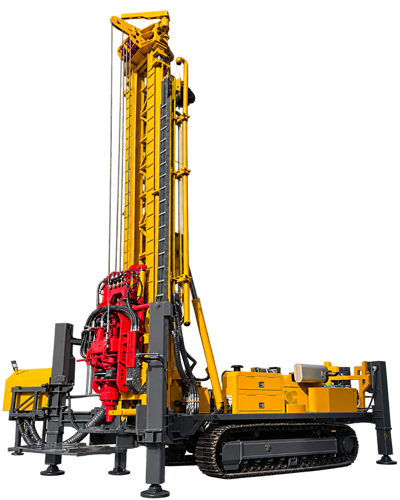
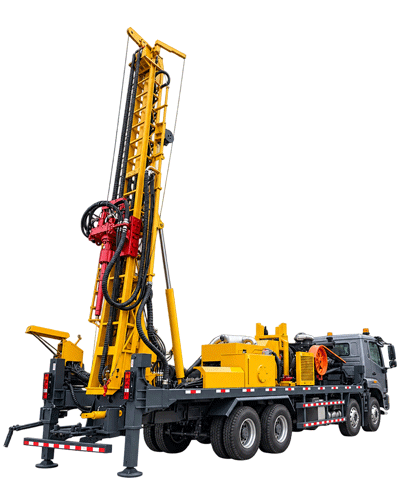
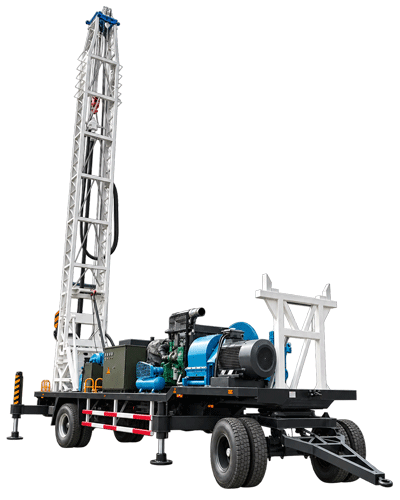
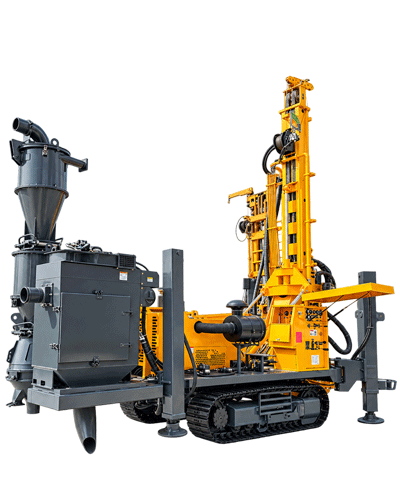
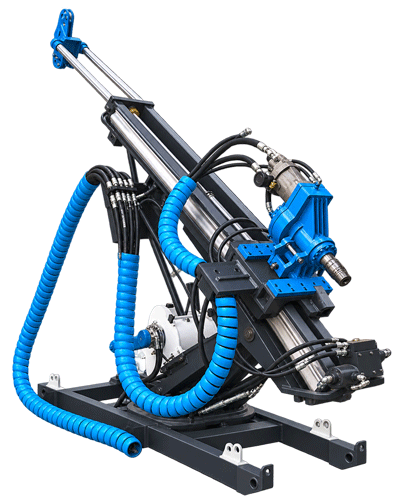
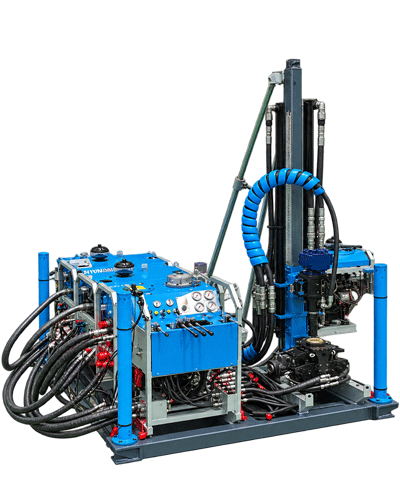
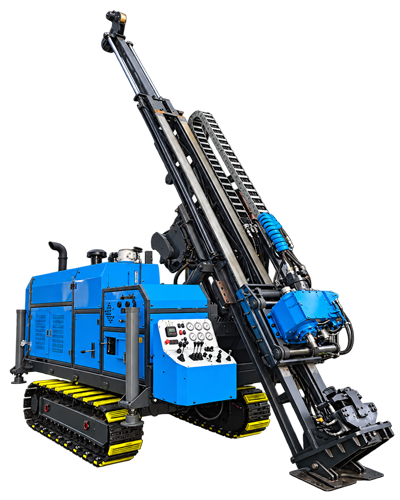
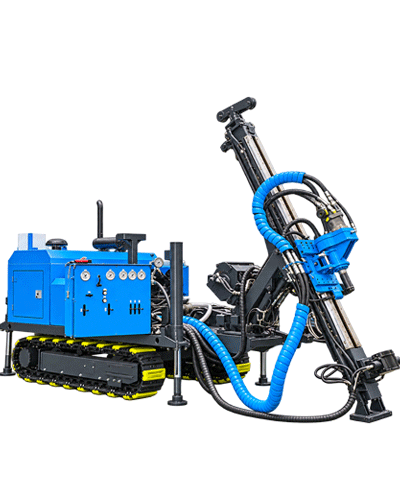
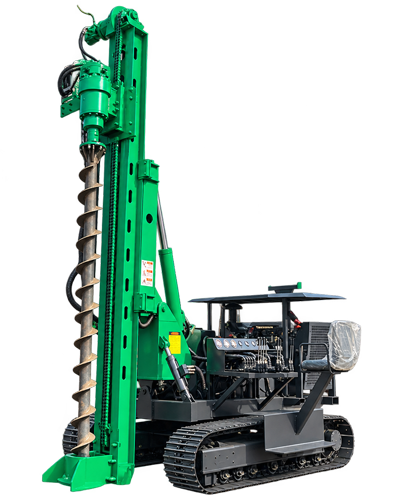
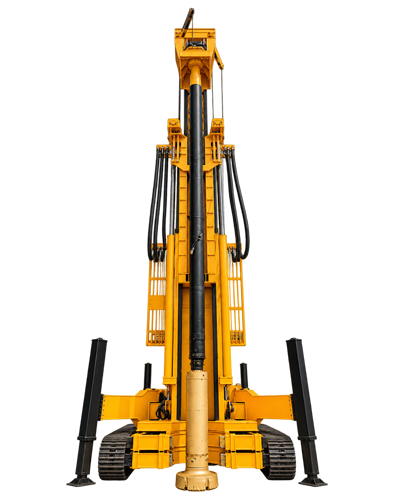
Comparing "rotary table, truck-mounted straight mast, and crawler reverse circulation" together easily turns into a ranking of equipment superiority. A more practical approach is to first look at what each one changes: the rotary table places the rotary mechanism on a rotary table at the borehole mouth, with a trailer chassis handling transport; the truck-mounted straight mast mounts the mast and main unit on a truck chassis, relying on road travel for relocation; the crawler reverse circulation mounts power and rotation on a crawler chassis and adopts dual-wall drill pipe reverse circulation technology. The models that can be matched in the information on this site fall into these three structural types respectively. The following expands according to structural conditions without making unsupported conclusions about advantages or disadvantages.
First Distinguish the Judgment Basis for the Three Structural Types
When these three types are listed side by side during procurement, it is usually because conditions such as "water well," "frequent relocation," and "relatively large hole depth" appear simultaneously in the project description. However, structure and process are not issues at the same level, and comparing them together will lose the basis for judgment.
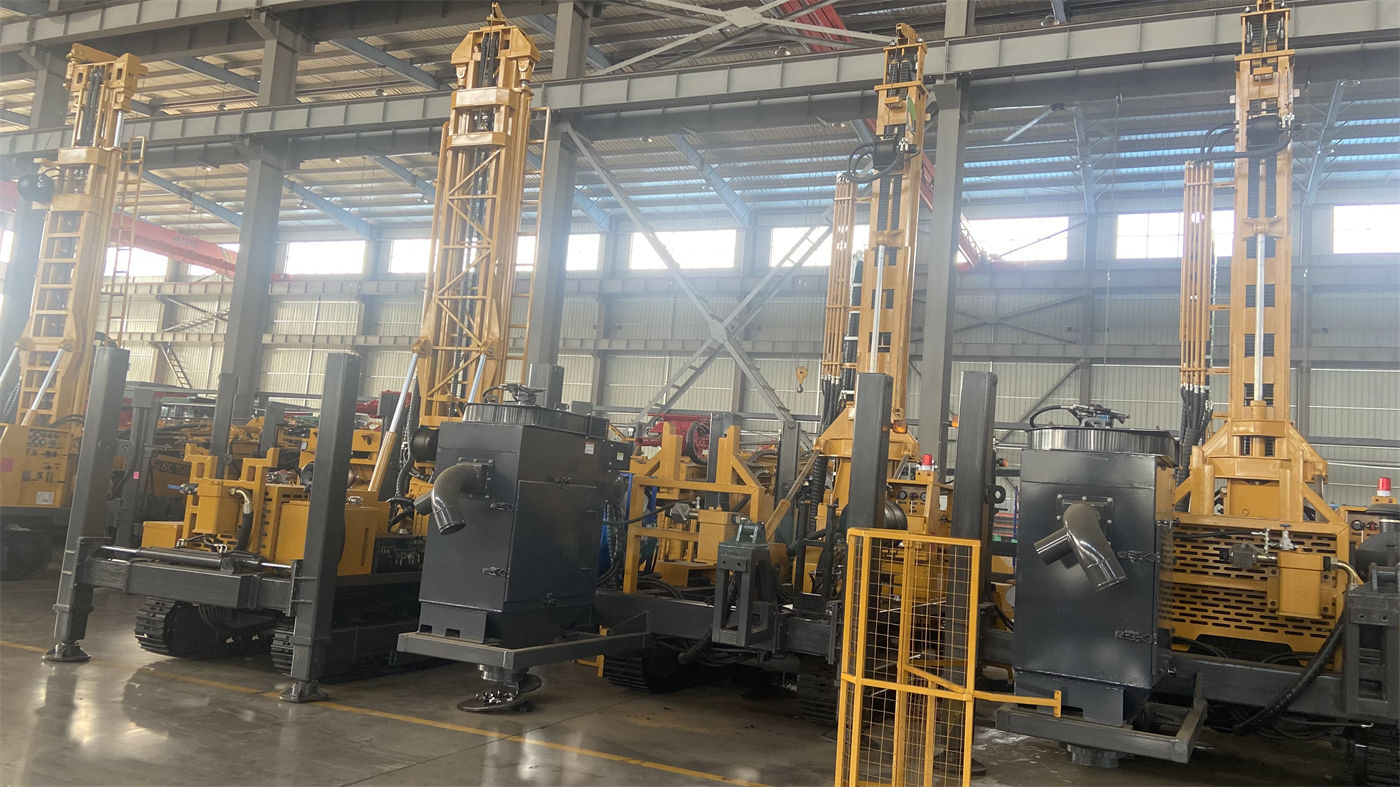
- Rotary table: In the information, WRTR600 is a trailer-mounted rotary drilling rig, equipped with a diesel generator, 3NB-130 mud pump, rotary table, double winch, mast, and outriggers; WRTR1000 is also a trailer-mounted rotary drilling rig, and its processes involve four types: mud direct circulation, air foam, DTH, and air-lift reverse circulation.
- Truck-mounted straight mast: WRT600, WRT1000, and WRT1200 are truck-mounted straight mast water well drilling rigs. Among them, the WRT1000 information mentions a drilling depth of 1000 meters, and WRT1200 involves a 900 mm large-diameter well completion design.
- Crawler reverse circulation: WR500RCE is a 500-meter air-lift reverse circulation water well drilling rig, and WR600RC is a 600-meter crawler reverse circulation drilling rig with an overall weight of approximately 12.5T, adopting dual-wall drill pipe reverse circulation technology.
These three items respectively constrain the entry method, well completion process, and hole position organization. First confirm which item is truly restricted in the project, so as not to compare things of different dimensions in the same table.
Entry Method Is the First Screening Condition
For the same water well project, whether the equipment can reach the hole position and how much site space it occupies after arrival often determines the plan earlier than the nominal drilling depth.
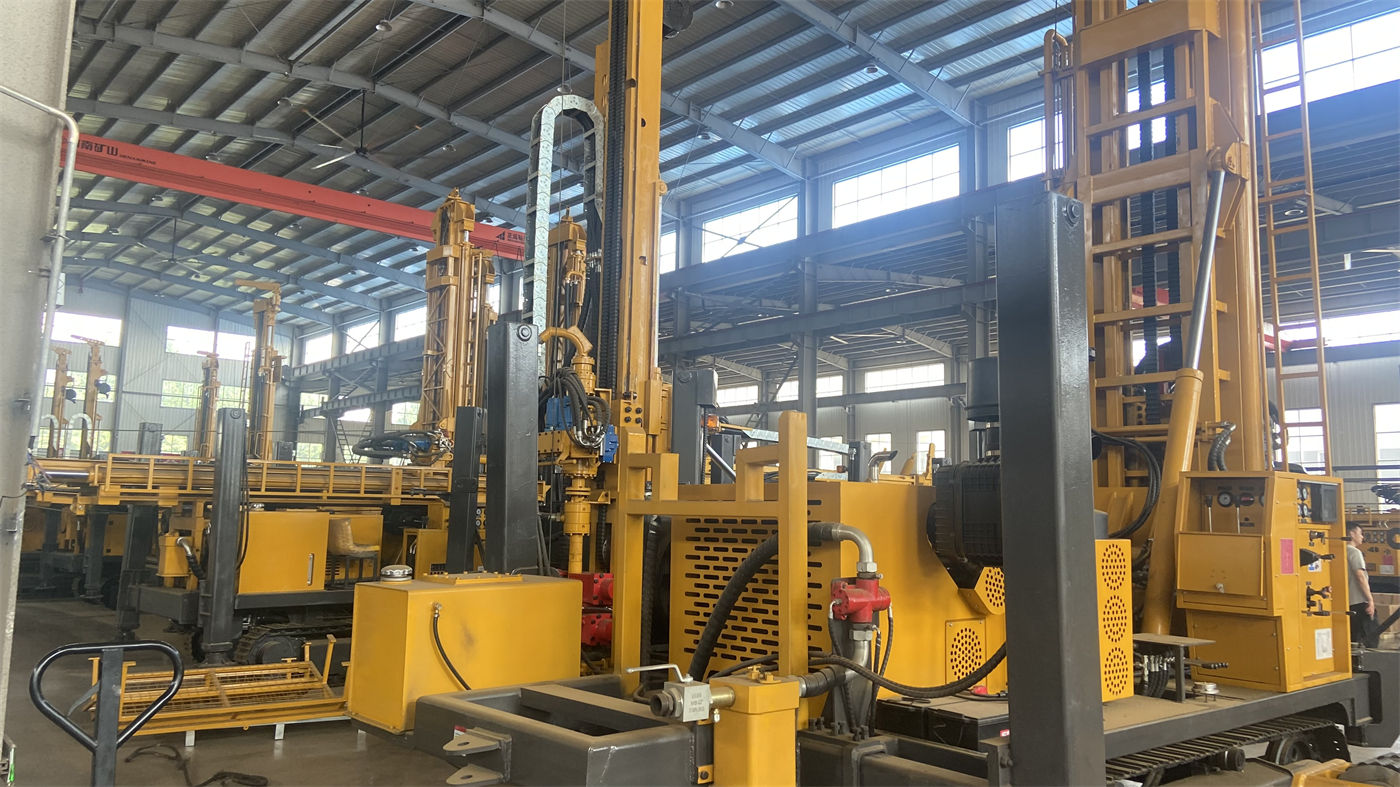
Trailer-Mounted Rotary Table: Depends on Tractor and Site Placement
WRTR600 centrally arranges the diesel generator, 3NB-130 mud pump, rotary table, double winch, mast, and outriggers on a trailer chassis. This arrangement concentrates the requirements for entry conditions in two places: first, whether there is space near the hole position for the tractor to turn around and for the trailer to be positioned; second, whether the mud system can be placed together with the main unit and maintain a circulation path. The information does not provide the overall weight, external dimensions, and minimum turning radius of WRTR600. Such data must be confirmed in writing with the manufacturer before it can be used for road assessment.
Truck-Mounted Straight Mast: Relocation Depends on Road Travel Conditions
WRT600, WRT1000, and WRT1200 adopt a truck-mounted straight mast structure, and the relocation method differs from the trailer-mounted type. Before procurement of a truck-mounted solution, the items that need to be confirmed include the external dimensions, axle loads, and road height and weight limit conditions in the driving state. The information on this site does not list the truck-mounted driving dimensions and total weight of these three models, and the weight data of crawler models cannot be used as a substitute for estimation; verification with the manufacturer is required.
Crawler Reverse Circulation: Limited Relocation Speed, but Relatively Independent Movement Between Hole Positions
WR600RC adopts a crawler chassis, with an overall weight of approximately 12.5T. The moving speed of a crawler structure is usually lower than road travel, but when moving between multiple hole positions within the same site, it does not need to rely on tractor scheduling each time. During procurement, the travel speed, climbing ability, and ground bearing requirements should be confirmed based on the information. The existing information on this site does not provide the specific values of these two items for WR600RC.
Rotary and Circulation Structures Determine the Differences in the Well Completion Stage
The rotary table and crawler reverse circulation work differently in the hole and cannot be compared solely by drilling depth.
| Structural Type | Corresponding Models in the Information on This Site | Supporting Equipment or Processes Specified in the Information | Content That Needs Verification Before Procurement but Is Not Provided in the Information |
|---|---|---|---|
| Trailer-mounted rotary table | WRTR600, WRTR1000 | WRTR600 is equipped with a 3NB-130 mud pump and a 200kW generator; WRTR1000 involves four processes: mud direct circulation, air foam, DTH, and air-lift reverse circulation | Rotary table through-hole diameter, speed and torque range, and drilling tool specifications corresponding to each process |
| Truck-mounted straight mast | WRT600, WRT1000, WRT1200 | Truck chassis with straight mast; WRT1000 corresponds to a drilling depth of 1000 meters, and WRT1200 involves a 900 mm large diameter | Rotary torque, lifting force, and supporting air compressor or mud pump parameters for each model |
| Crawler reverse circulation | WR500RCE, WR600RC | WR600RC adopts dual-wall drill pipe reverse circulation technology, with an overall weight of approximately 12.5T | Dual-wall drill pipe specifications, required air volume and pressure for air lift, and drilling tool supporting list |
The blank cells in the table correspond to fields not yet covered by the information on this site. Such fields cannot be inferred from the data of other models in the same series and should be confirmed item by item during the technical agreement stage.
Which Project Characteristics Point More Toward a Certain Structural Type
The following judgments are based only on the parts already stated in the information on this site and do not constitute a recommended ranking.
- When project locations are scattered, long-distance relocation along roads is required, and local conditions permit tractor or truck passage, both trailer-mounted and truck-mounted types enter the consideration range; the information does not provide comparative data between the two under the same route conditions.
- When there are many hole positions within the same site and frequent short-distance movement between hole positions is required, the crawler chassis reduces dependence on tractors, and the overall weight of WR600RC at approximately 12.5T is a verifiable parameter.
- For working conditions with larger well diameters and requiring mud circulation for well completion, the structure is more compatible with the mud pump supporting the rotary table type; the information on this site clearly states that WRTR600 is equipped with a 3NB-130 mud pump.
- The WRTR1000 information simultaneously lists four processes: mud direct circulation, air foam, DTH, and air-lift reverse circulation, indicating that the same rotary drilling rig may switch processes in different formations, and supporting equipment and consumables need to be calculated separately according to the actually selected process.
Items Not Covered by the Information and Must Be Confirmed in Writing Before Procurement
What truly affects decision-making among the three structural types are often the fields not written in the information. For the following items, it is recommended to require the manufacturer to provide them in writing at the inquiry stage rather than leaving them until the contract execution stage.
- Overall transport state dimensions, total weight, axle load, or towing load, for road and height/weight limit verification.
- Torque range, speed gears, and corresponding hole diameter range of the rotary table or power head for each model.
- Lifting force and winch capacity, as well as the maximum allowable drilling tool combination under long drill string conditions.
- Air compressor air volume and pressure corresponding to the selected process, or mud pump displacement and head parameters.
- Specific explanations of formation applicability boundaries, such as which drilling methods are used in loose layers and hard rock respectively.
Among the above fields, values already specified in the information on this site can be directly cited, and unspecified parts cannot be replaced by data from other models. The actual hole-forming effect of a water well drilling rig is related to formation, drilling tools, and operation methods, and the final configuration should be based on on-site working conditions and the manufacturer's written technical data.