












In the WR500RC-CS3 documentation, the CS3 three-in-one sampling system is described as integrating cyclone separation, representative splitting, and sample collection into a single unit: cuttings returned to the surface through the inner tube of the dual-wall RC drill pipe directly enter the cyclone system for gas-solid separation, then proceed to splitting and bagging. This description addresses process connectivity—repetitive operations during surface transfer and manual splitting are reduced. But it does not and cannot replace another matter: whether the bag of sample sent to the laboratory truly represents the depth interval it is labeled with.
Process efficiency and sample representativeness are two objects that can be evaluated separately. The former looks at how many operational steps are reduced; the latter looks at whether the correspondence between sample and depth holds. Based on the information already provided in the documentation, this article explains which steps the three-in-one system covers and which sample management matters still need to be controlled separately on site.
Which operations the three-in-one system actually takes over
According to the documentation, CS3 takes over a continuous mechanical process: cuttings travel upward with airflow along the inner tube of the dual-wall drill pipe—enter the cyclone system for gas-solid separation—pass through the splitting mechanism to form a sample suitable for submission—and are collected in bags. These four steps were originally dispersed among the cyclone, splitting table, and sample storage area, requiring manual sample pouring, secondary splitting, and multiple transfers.
After integration, drilling, splitting, and bagging can be connected continuously. For exploration teams that need to handle a large number of samples in a day, the improvement in on-site organizational efficiency comes from compressed steps, not from the samples themselves becoming more representative. These two points are often conflated.
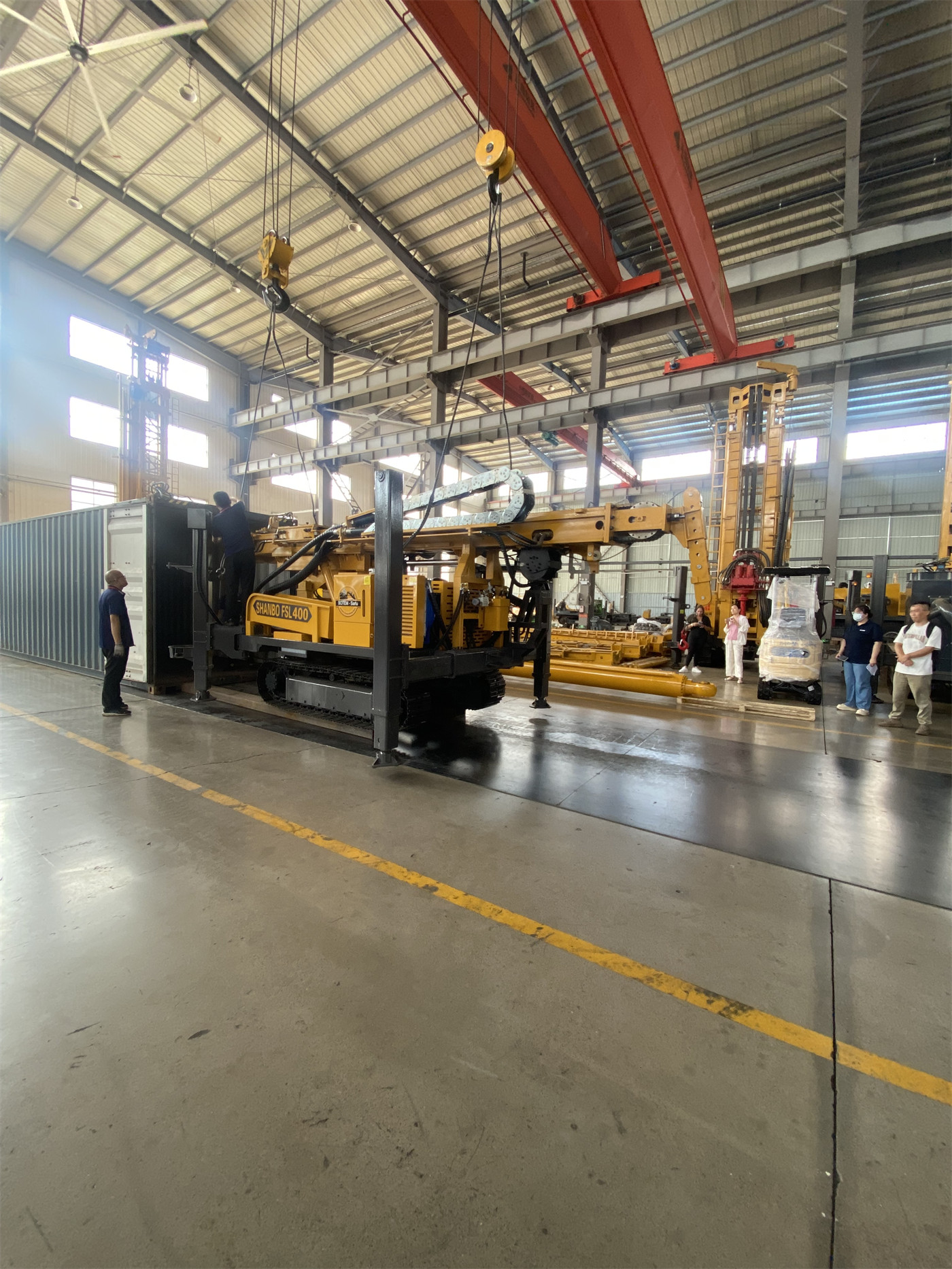
The independent return channel reduces the probability of sample mixing, but does not mean samples are automatically qualified
Reverse circulation drilling relies on dual-wall drill pipes to establish an independent return channel. Cuttings mainly return from inside the drill pipe rather than up the annulus along the outer wall. The documentation states that this helps reduce the probability of cuttings from different depths mixing—note the wording is "reduce the probability," not "eliminate mixing."
Final sample representativeness is still related to hole cleaning, rod connection, return stability, and on-site sampling management. In other words, inner-tube return changes the upward path of material, but whether the sample aligns with the depth depends on whether the drilling process itself is stable.
Several situations that can break the depth correspondence
- Rod connection and resuming drilling after a stop: The documentation explicitly states that subsequent transition samples should be handled according to on-site sampling procedures to avoid residual cuttings from the previous hole section mixing into the next depth sample.
- Fault fracture zones, breccia, and fractured formations: Wall collapse blocks may temporarily remain in the hole and then return in a concentrated manner, affecting the correspondence between sample and depth. The documentation recommends controlling penetration rate, maintaining stable air supply, and increasing on-site records in abnormal hole sections, with separate annotation of sample quality conditions when necessary.
- Fluctuation in return volume: Geologists should continuously observe return volume, particle size, color, moisture, and signs of cross-contamination, rather than only confirming the number of bags at bagging.
These situations are all outside the mechanical functional scope of the CS3 system. The higher the system integration, the more necessary it is to assign monitoring responsibility to specific positions; otherwise, it is easy to develop the default assumption that "the process is already integrated, so the samples should be fine."
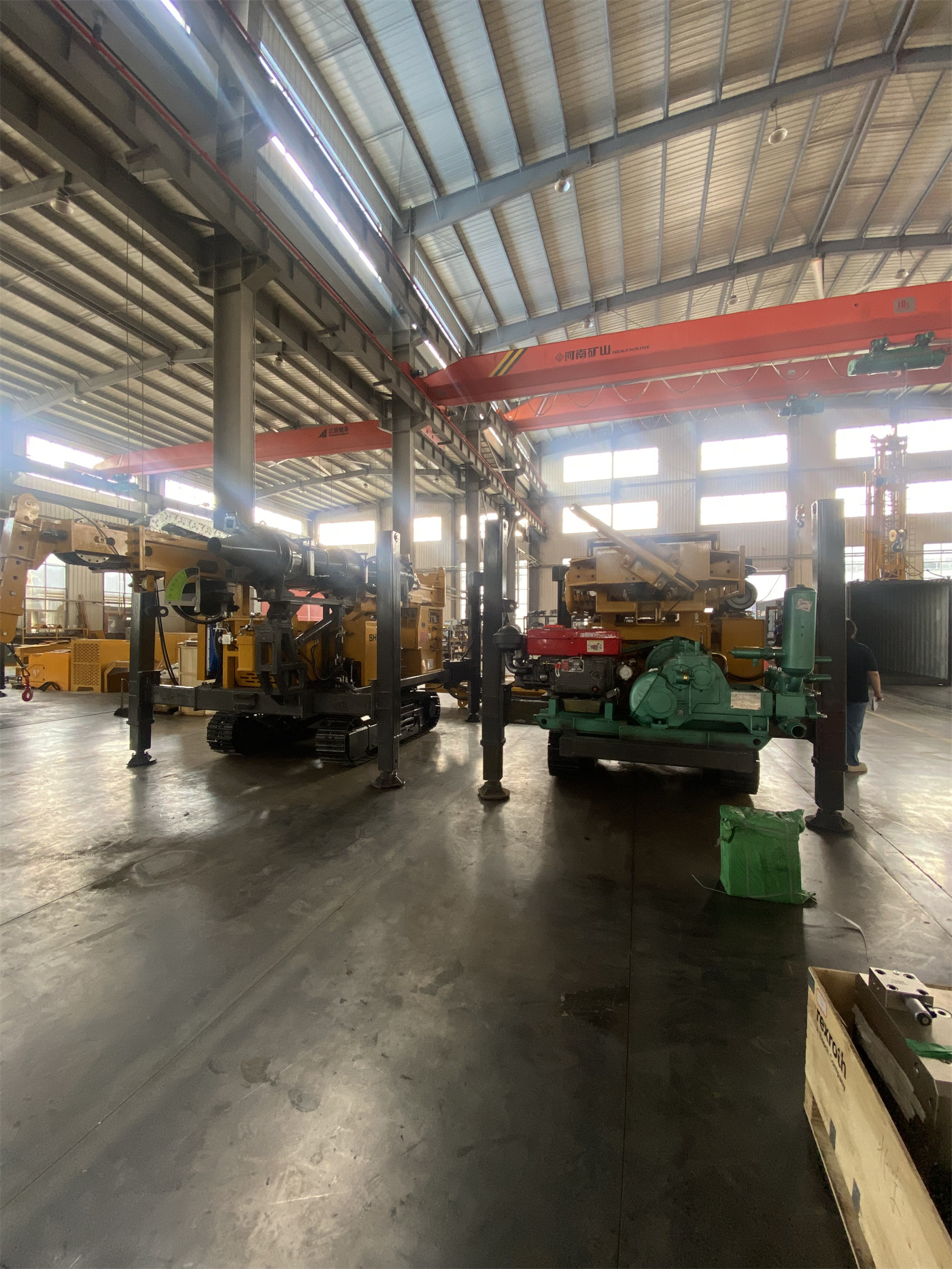
What to write on the sample bag: the documentation already provides a checklist
The documentation's requirements for sample identification are specific: each sample bag should be marked with the drill hole number, start and end depths, date, and sample number, and on-site records should correspond one-to-one with sample bags. For ore samples requiring laboratory analysis, duplicate samples, blank samples, and standard samples should also be set up according to project quality control requirements.
The three-in-one system can improve splitting efficiency, but labeling and numbering are still done by people. Once numbering is misaligned, even the most efficient sampling process cannot restore it during later data traceability.
Another variable beyond representativeness: whether the sample is suitable for submission
The documentation also mentions that water well projects do not necessarily need to activate the full three-in-one sampling system; the drilling method and supporting equipment should be selected according to the purpose of well completion. This suggests a judgment angle: integrated sampling is designed for continuous, depth-segmented cuttings sample collection. If the project goal is not samples but well completion, activating this system would instead add unnecessary on-site procedures.

In addition, the upper loose overburden is not necessarily suitable for direct RC pneumatic drilling. The documentation shows that this model also supports mud rotary drilling, allowing the upper hole section to be stabilized first with mud and casing, then switching to reverse circulation or DTH after entering rock. This process switch itself also produces transition-section samples, which need to be included in sampling management.
Matters to confirm with the supplier
- The proportion, adjustable range, and basis for consistency of each split by the CS3 splitting mechanism;
- The system's pipe cleaning method after rod connection and drilling stops, and recommendations for handling transition samples;
- Whether standard templates for sample bags, numbering methods, and on-site record sheets are provided with the machine;
- How the sampling system coordinates when switching between mud drilling sections and RC sections;
- A list of daily cleaning and cross-contamination prevention maintenance items for the entire system.
The above content is limited to the WR500RC-CS3 and CS3 system information already published on this site; no inferences are made regarding parts not covered.