












Reverse circulation drilling is often discussed for its cuttings discharge capacity, but the term "inner tube sample return" points to something else—which channel the cuttings take to return to the surface. The WR400RC data clearly states: reverse circulation drilling establishes an independent return channel through dual-wall drill pipes; after compressed air drives the downhole drilling tool, cuttings quickly return to the surface through the inner tube. Compared with the ordinary method of rising along the outer annulus of the drill pipe, what changes is not just the speed, but what the sample experiences before reaching the surface.
What Is the Difference in the Sample Return Channel
In ordinary direct circulation or simple outer annulus cuttings discharge, cuttings rise from the bottom of the hole along the annular space between the drill pipe and the hole wall. The path is long and the cross-section is large, so cuttings are prone to mixing with particles from different depths during ascent, and may also be retained in the hole due to changes in hole diameter or local reaming. In reverse circulation inner tube sample return, the return cross-section is reduced to the internal channel of the drill pipe, and the ascent path is relatively independent, so the mixing opportunities experienced by cuttings before reaching the surface are reduced.
WR400RC recommends RC drill pipe diameters of 89 / 102 mm and a drill pipe length of 3 m. The data also points out that RC drill pipes differ in structure from ordinary single-wall drill pipes, and the sealing and reliable connection of the inner and outer channels must be ensured. This shows that the effectiveness of inner tube sample return does not depend entirely on the inner diameter of the drill pipe, but more on the sealing condition of the entire dual-wall channel—once joints, seals, and the inner tube are worn or leak air, the independence of inner tube sample return will be compromised.
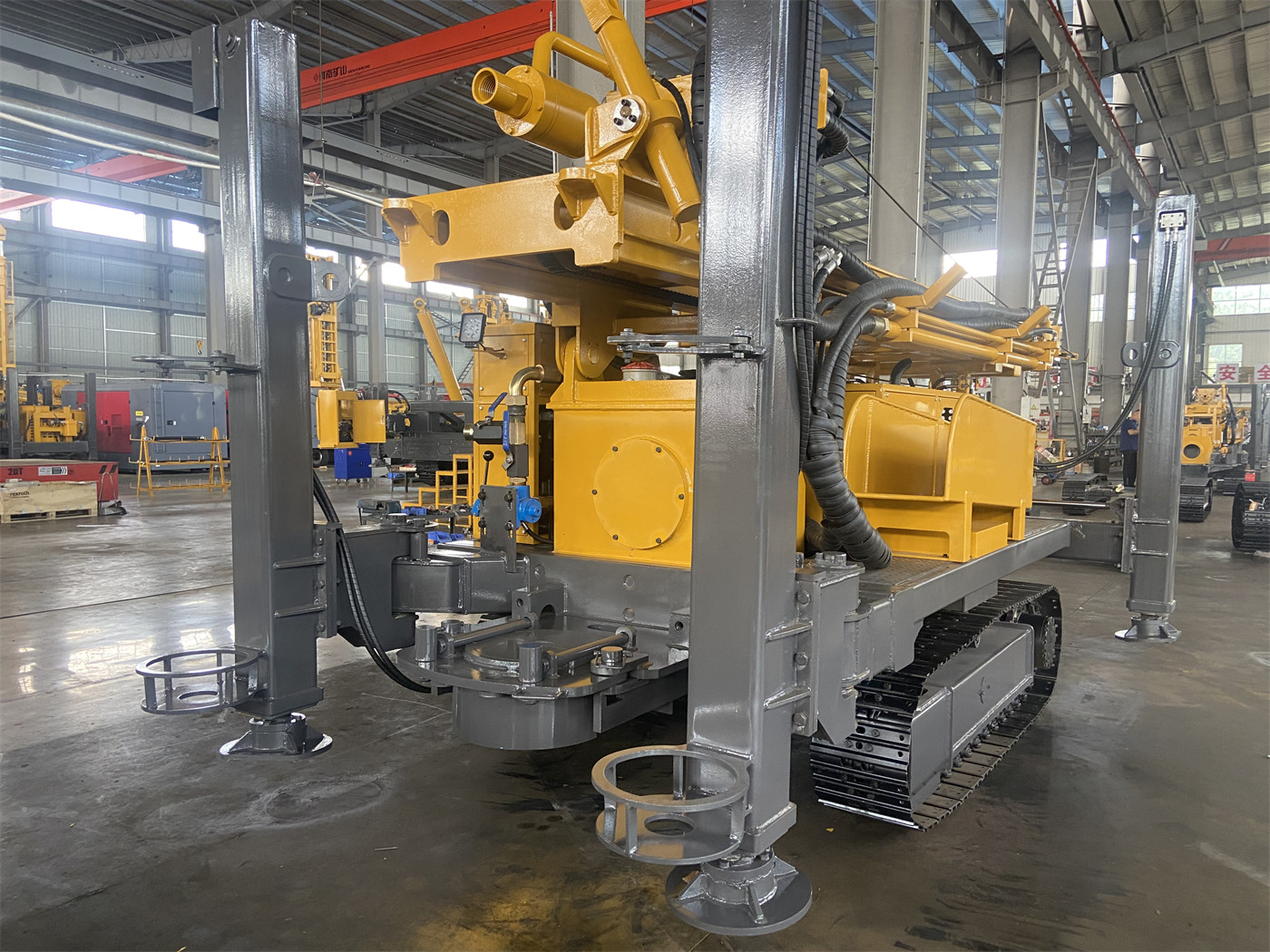
Basis for Collecting Samples by Depth Intervals
The data mentions that the reverse circulation method helps shorten the mixing path of cuttings in the hole and facilitates collecting samples by depth intervals. This is the direct result of inner tube sample return in sampling logic: a fixed footage interval corresponds to a relatively clear sample return batch, and on-site geologists can record changes in color, lithology, alteration, and mineralization by depth.
However, this convenience has prerequisites. In the sample management section, the WR400RC data states directly—during construction, observe the sample return volume, particle size, dust changes, and whether there is obvious cross-contamination. Each time sampling restarts after adding a rod, cleaning the hole, or stopping drilling, the transition section should be handled according to the on-site sampling system to avoid mixing samples from different depths. Inner tube sample return reduces the mixing path, but operational nodes such as rod connection pauses and hole cleaning restarts still require manual segmentation, and depth correspondence is not automatically guaranteed.
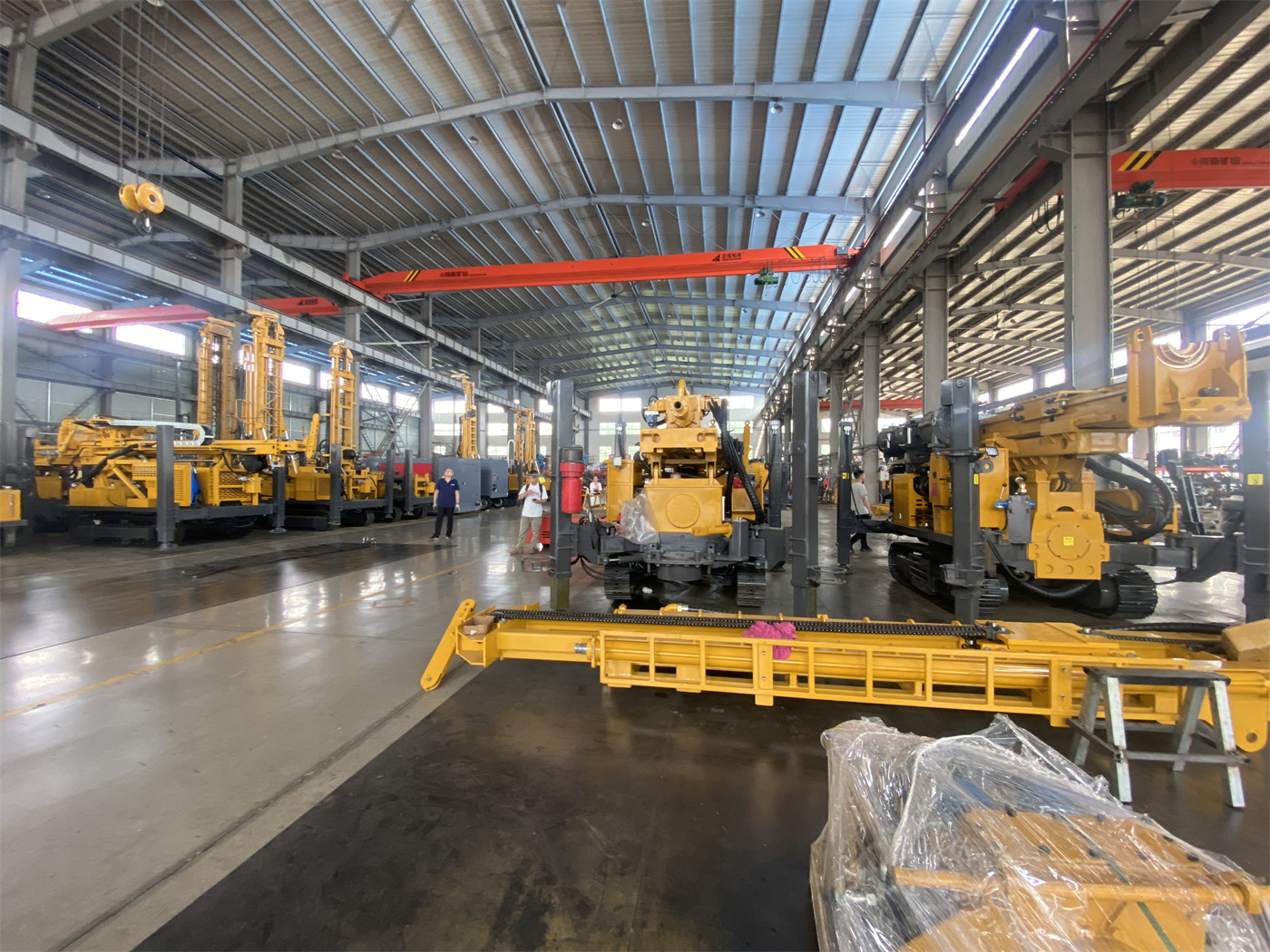
Practical Impact on On-Site Workflow
- The rhythm of sample collection follows changes in sample return status. Changes in sample return volume, particle size, and dust are direct bases for judging downhole conditions on site, and these signals are listed in the data as items requiring continuous observation.
- The cleaning frequency of sampling equipment is affected. The data indicates that the sampling system, cyclone, or sample splitter needs regular cleaning; inadequate cleaning will affect the independence of subsequent samples.
- The connection between process steps needs to be rearranged. When sampling restarts after adding a rod, cleaning the hole, or stopping drilling, the handling of the transition section must be carried out according to the on-site sampling system. This is a matter of process arrangement, not a step that equipment can replace.
What Inner Tube Sample Return Cannot Help With
Inner tube sample return solves the channel problem of cuttings from the bottom of the hole to the surface. It does not handle the following:
- Sample numbering, weighing, packaging, and recording. These tasks are still carried out according to the on-site sampling system.
- Falling blocks and local reaming in fractured zones and fractured-developed formations. The data points out that cuttings in such hole sections may be retained in the hole and then return in a concentrated manner, causing poorer depth correspondence. Advancement speed should be controlled, stable air supply maintained, and abnormal records kept.
- Reduced sample return speed caused by insufficient air compressor capacity. WR400RC recommends a working pressure of 1.2–3.5 MPa and air consumption of 16–55 m³/min. When hole depth increases, hole diameter increases, or the rock formation is hard, insufficient air volume will directly affect the cuttings return speed and sampling continuity.
- Whether the sample is suitable for submission. This depends on the physical state of the sample itself and needs to be judged according to laboratory requirements.
Relevant Parameters of WR400RC on This Path
| Item | Data Value | Relation to Inner Tube Sample Return |
|---|---|---|
| Maximum Drilling Depth | 400 m | Total sample return path length increases with hole depth |
| Drilling Diameter | 105–305 mm | Annular volume changes as hole diameter increases, requiring sufficient air volume |
| Recommended RC Drill Pipe | 89 / 102 mm, length 3 m | Inner tube channel size determines sample return cross-section |
| Working Pressure | 1.2–3.5 MPa | Insufficient pressure affects sample return speed |
| Air Consumption | 16–55 m³/min | Air volume directly determines whether cuttings can continuously return |
The values in the table are all parameters given in the WR400RC data. Actual sample return performance is also affected by formation conditions, hole deviation, and drilling tool wear. The data clearly states that 400 m should be understood as the reference capacity under a typical configuration.

Matters to Confirm with the Supplier
- Inspection cycle and replacement standards for dual-wall drill pipe joints and seals. The data only states that regular inspection should be carried out and does not give specific intervals.
- Recommended air compressor displacement and pressure parameters for the target formation and planned hole depth.
- Specific operational requirements for handling the transition section. The data mentions that it should be carried out according to the on-site sampling system, but the sampling system must be formulated by the project party itself.
- Cleaning and inspection requirements for the inner tube channel when converting between mud drilling and reverse circulation drilling processes.
Inner tube sample return changes the path and manner by which cuttings reach the surface. It makes collecting samples by depth intervals more controllable in the process, but sample depth correspondence, sample representativeness, and submission suitability still need to be managed separately according to the on-site sampling system. WR400RC provides a drilling platform with the conditions for inner tube sample return; the final sample quality depends on the on-site sampling process and personnel operation.