












Once the water well drilling rig itself is determined, the process support is often what determines whether the well can be drilled as planned. Air-lift reverse circulation, air foam, and DTH hammer all rely on compressed air, but the three methods differ in where the air is used, the pressure and flow requirements, and the required drilling tools, wellhead equipment, and consumables. Our site's information explicitly provides DTH-related interface values, while for air-lift reverse circulation and air foam it only mentions that a foam pump is optional. Therefore, this article separates the confirmed parts from those that need to be confirmed with the manufacturer.
First, distinguish what each of the three processes does in the hole
The DTH hammer is a down-the-hole impact rock-breaking tool. Compressed air drives the hammer at the bottom of the hole to impact, while carrying cuttings up to the surface through the annular space between the drill pipe and the hole wall. Its air travels through a single-wall drill pipe and acts on the rock at the bottom of the hole.
Air-lift reverse circulation sends compressed air into the space between the inner and outer tubes of a dual-wall drill pipe, forming a gas-liquid mixture at a certain depth in the hole. The density difference between the mixture and the mud column in the hole lifts the mud and cuttings through the inner tube to the surface. Its air acts on the liquid column at a certain depth in the hole, rather than directly impacting the rock.
Air foam adds a foaming medium to the air stream in pneumatic drilling or air circulation, using foam to carry cuttings. It is mostly used in hole sections where conventional air cannot carry cuttings out. The common point of these three processes is that they all use air; the differences lie in the drill tool structure, air injection position, and wellhead return channel.
DTH hammer: interfaces with explicit values on our site
Our site's information for the WR450SE, WR400S, and WR400QS models all state: when using a DTH hammer, the recommended working pressure is 1.2–3.5 MPa, air consumption is 16–55 m³/min, and it can match medium and high-pressure series DTH hammers. The WR450SE has a maximum drilling depth of 450 m and a drilling diameter of 105–400 mm; the WR400S and WR400QS have a maximum drilling depth of 400 m and a drilling diameter of 105–325 mm.
These figures indicate the air pressure and consumption range that the rig side can accommodate, but they do not mean that any air compressor meeting this range can be directly matched. The information also points out that when the hole diameter increases, the rock formation becomes harder, or the altitude rises, the air compressor displacement requirement is higher. Therefore, when selecting an air compressor, both pressure and flow should be considered. Whether the actual displacement is sufficient also depends on local altitude, ambient temperature, pipeline length, and joint leakage, which need to be verified with the air compressor manufacturer.
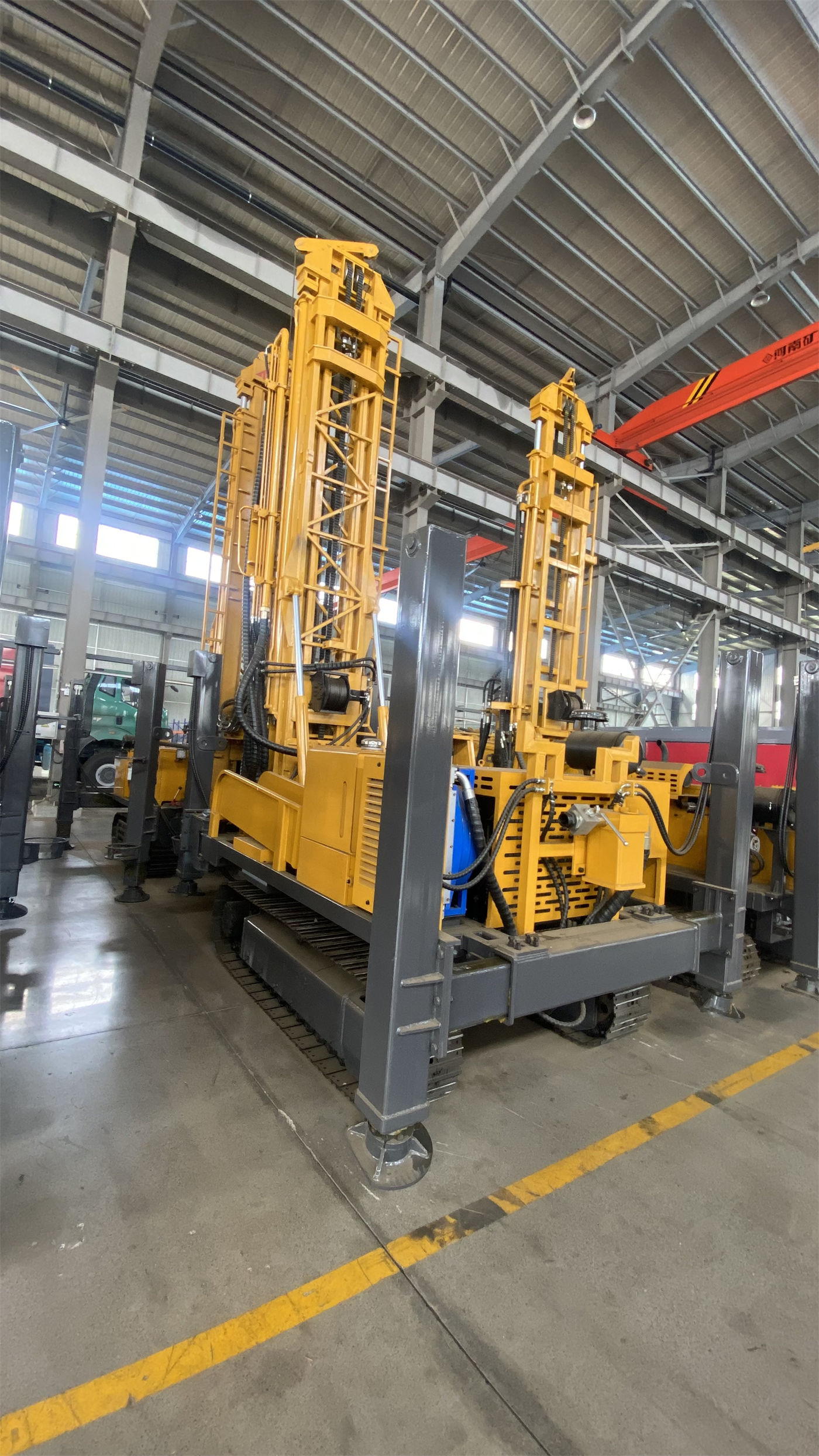
Supporting items that also need to be confirmed for the DTH stage include: the model of the DTH hammer and its applicable hole diameter, the matching drill bit specifications, the lubrication method and lubricant for the DTH hammer, and the diameter, pressure rating, and length of the high-pressure air hose. Our site's maintenance section mentions that during DTH drilling, the lubrication of the DTH hammer and the condition of the air compressor should be checked, but it does not give the lubricant brand, oil consumption per hole, or specific air hose specifications. These should be confirmed in writing with the manufacturer during the procurement stage.
An easily overlooked item: conditions for handling abnormal cuttings discharge
Our site's information states that when the return cuttings suddenly decrease or the air pressure is abnormal, the hole should be cleaned in time and air leakage checked to prevent cuttings accumulation at the bottom and drill tool sticking. This means that before purchase, it is necessary to confirm whether the site has the means to clean the hole, whether there are spare air hose joints and replacement parts, and whether there are conditions for organized cuttings discharge and dust reduction at the wellhead. These are supporting matters that, if not clearly defined, can easily require temporary solutions after work begins.
Air-lift reverse circulation: our site does not provide pressure and drill tool specifications
In our site's public information on water well drilling rigs, air-lift reverse circulation is listed as one of the optional process directions, but it does not specify the applicable air-lift pressure, required air volume, dual-wall drill pipe specifications, mixing chamber structure, or wellhead sealing form. Therefore, the following items can only be listed as matters to be confirmed with the manufacturer and cannot be inferred from the DTH section's 1.2–3.5 MPa and 16–55 m³/min.
- The outer and inner tube diameters and joint forms of the dual-wall drill pipe, as well as their compatibility with the rig's power head and clamp;
- The air compressor pressure and displacement range required for air-lift, and whether it shares the same air compressor with the DTH working condition;
- The installation depth range of the mixing chamber (or air-lift valve) and the corresponding hole depth conditions;
- Wellhead sealing device, return water pipeline, and mud pit volume requirements;
- Treatment and circulation method of the returned mud, and whether dedicated sedimentation and desanding steps are needed.
It should be noted that the lifting capacity of air-lift reverse circulation is directly related to the liquid level in the hole, the density of the mixture, and the air injection depth. These parameters vary with hole depth and water level in the hole and are site-specific working conditions. If any of the above cannot be determined during the procurement stage, it is not advisable to include this process in the equipment configuration list.
Air foam: information only goes as far as "optional foam pump"
Our site's information for the WR450SE, WR400S, and WR400QS all state that a foam pump can be optionally equipped according to the project, and positions foam assistance as one of the treatment methods for severely leaking hole sections; the fractured zone and leaking formation section mentions that foam or casing can be used according to the hole wall and leakage conditions.
However, the information does not provide the foam liquid ratio, consumption per hole, foaming agent type, foam pump flow and pressure parameters, or the defoaming and treatment method after foam returns. Therefore, specific items to be confirmed with the manufacturer before purchase include: the connection method and installation position of the foam pump to the rig; the air injection method when used simultaneously with DTH or air circulation; whether the foam medium has additional requirements for the mud system, drill pipe threads, and DTH hammer lubrication; and the collection and disposal conditions for returned foam.
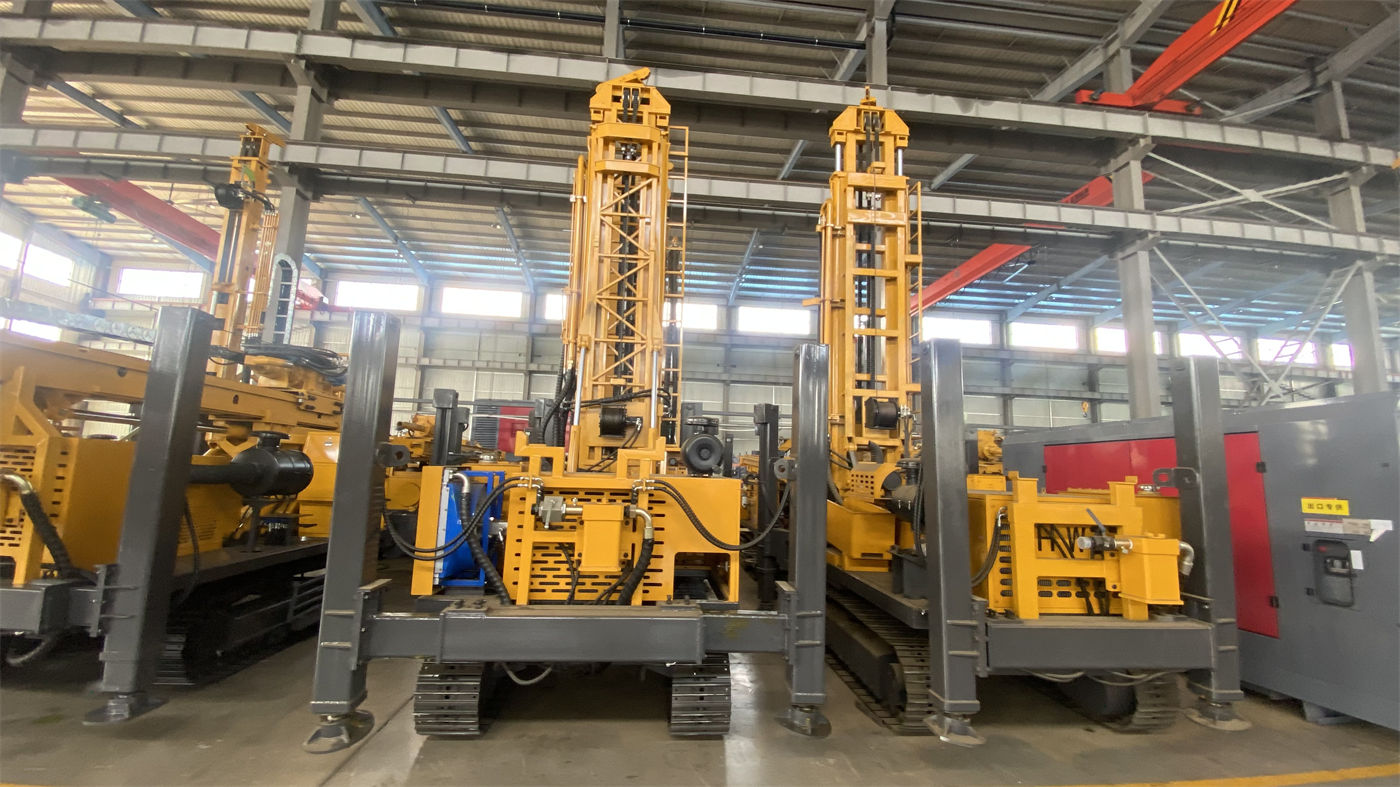
Using foam as a treatment method for leaking formations does not mean that adding a foam pump will solve all leakage problems. The information also states that if leakage is severe, simply increasing the air compressor pressure is not enough; it is also necessary to determine whether there are large fissures or cavities. At the procurement stage, only equipment and consumable conditions can be confirmed; the judgment of hole completion still needs to be combined with formation data.
Supporting conditions common to all three processes
Regardless of which pneumatic process is chosen, the following types of conditions will appear simultaneously and can be confirmed together before purchase:
| Supporting item | DTH hammer | Air-lift reverse circulation | Air foam |
|---|---|---|---|
| Drill pipe type | Single-wall drill pipe | Dual-wall drill pipe (specifications to be confirmed) | Same as the process used with it |
| Air compressor pressure/displacement | 1.2–3.5 MPa, 16–55 m³/min (our site's model information) | To be confirmed with manufacturer | To be confirmed with manufacturer |
| Foam pump | Optional for leaking hole sections | Listed as optional accessory in information | Required |
| Wellhead equipment | Cuttings discharge and dust reduction conditions | Sealing and return water pipeline | Returned material collection |
| Mud system | Usually still needed during overburden stage | Main body of circulation medium | Depends on the combined process |
From our site's information, mud pumps, centrifugal pumps, generators, and foam pumps are all within the scope of optional configuration according to working conditions: projects with more loose layers need mud pumps more; hard rock projects rely more on air compressors and DTH hammers; severely leaking hole sections may use foam assistance; sites lacking a stable power supply may need a generator.
Matters that can be put on paper before purchase
- Clarify the target hole diameter and hole depth range of the project, and compare them with the drilling diameter and maximum drilling depth range in the selected model's information;
- Write the air compressor pressure and displacement requirements for the DTH working condition as procurement conditions, and note the altitude and temperature conditions;
- Request a written statement of the applicable pressure, air volume, and dual-wall drill pipe specifications separately for air-lift reverse circulation;
- Request the foam pump parameters, consumable types, and return material treatment requirements for air foam;
- Confirm the specifications of the DTH hammer and drill bit, lubrication method, and spare parts list;
- Confirm the accessory interfaces and optional parts list on the rig side to avoid inability to connect after arrival.
In our site's information, the WR450SE has a drilling depth of 450 m, lifting force of 20 T, dual working condition torque of 9000/4500 N·m, and power of 92 kW; the WR400S has a drilling depth of 400 m, lifting force of 22 T, torque of 8000/4000 N·m, and power of 92 kW; the WR400QS has a drilling depth of 400 m, lifting force of 22 T, torque of 8000/4000 N·m, and power of 103 kW. These data describe the rig's own capabilities. The air compressor, foam pump, dual-wall drill pipe, and wellhead equipment required for the supporting processes are external systems and need to be confirmed separately as described above.
Parts not covered by the information and requiring written confirmation from the manufacturer
The following points cannot be found in our site's existing information, and this article does not speculate: the air compressor pressure and displacement range corresponding to air-lift reverse circulation; the specific specifications and joint forms of dual-wall drill pipes; the model and installation depth of the mixing chamber or air-lift valve; the ratio and consumable consumption of air foam; the disposal requirements for foam returns; and the switching method and switching time of the three processes on the same rig.
Due to differences in actual geological conditions, downhole tools, and operating methods, the final drilling efficiency and hole completion effect should be based on site conditions. The above supporting conditions are recommended to be specified item by item in the procurement contract or technical confirmation document, and included in the equipment list only after the manufacturer provides written parameters.