












In the published materials for the WR600RC-CS3, the three-in-one system is described as linking cuttings return, cyclone separation, sample splitting, and sample bagging into a continuous process. This process already has multiple interfaces in mining areas at normal temperatures. In a low-temperature environment, the problem is often not whether the system can be used, but which of these interfaces first loses continuity. This article is based only on the product description and parameters already published on this site for the WR600RC-CS3, does not introduce data from other models, and does not draw inferential conclusions about low-temperature performance.
First break the three-in-one system into steps that can be assessed
The materials describe the three-in-one system as follows: after cuttings return to the surface through the inner tube of the dual-wall drill pipe, they enter the cyclone system for gas-solid separation, and then enter the splitting and bagging stages; what the system reduces is manual sample pouring and secondary transfer. According to this description, it includes at least four stages: inner-tube sample return, cyclone separation, splitting, and bagging. When continuous cold-weather operation exposes weak links, it is usually not the failure of the entire section, but the interruption of one stage first, which then affects the next stage.
Weak link 1: coupling of sample return continuity with hole depth and air volume
The materials clearly state that as hole depth increases, the sample return distance for cuttings becomes longer, and air volume loss, drill pipe sealing, and in-hole air leakage have a more obvious impact on sample recovery; the WR600RC-CS3 recommends a working air pressure of 1.6–6 MPa and an air consumption of 16–75 m³/min. These sets of values govern not only the driving of the RC hammer, but also the need to ensure that cuttings continuously return through the inner tube to the cyclone sampling system.
The low-temperature environment itself is not within the scope of these values, and the materials do not state how air pressure or air consumption should be adjusted under low-temperature conditions. What can be confirmed is that once sample return becomes discontinuous, the subsequent cyclone, splitting, and bagging stages will also be interrupted accordingly. Therefore, when assessing weak links, the sample return stage should be ranked first, rather than looking first at the cyclone itself. Which specific steps need adjustment and whether they can be adjusted are matters not covered by the materials.
Weak link 2: residue and cleaning rhythm in the cyclone and splitting stages
In the maintenance section, the materials state that if residual cuttings are not cleaned in time between different mineralized sections, the risk of sample contamination increases; each time drilling is stopped, the hole is changed, or a new key sampling interval is entered, it should be checked whether there is residue inside the cyclone, splitter, and sample return hose. This requirement is directly related to continuous cold-weather operation—continuous sampling means that the intervals for stopping drilling and changing samples are already short, and the cleaning window is also short.
It should be noted that the materials only give the requirement that inspection and cleaning should be carried out, without giving cleaning time, inspection criteria, or explaining how the properties of residues change under low-temperature conditions. Therefore, this can be identified as a weak link in work organization, but the specific degree of impact cannot be inferred from the existing materials.
Weak link 3: consistency between sample identification and depth records
The materials require that each sample bag should be marked with the drill hole number, sample number, start and end depths, date, and shift, and that field records should be consistent with the sample bags; if the project implements a QA/QC system, duplicate samples, standard samples, and blank samples should also be set up as required. What the three-in-one system improves is the efficiency of the sampling process, and the materials also point out that sample management must still be strict.
After the pace of continuous sampling accelerates, the identification and recording stage failing to keep up with the bagging speed is a part of this process that is easily underestimated. The materials do not state whether identification materials or recording methods need to be adjusted in a low-temperature environment. This part is a matter that needs to be confirmed separately with the project party or manufacturer.
Weak link 4: knock-on effects of supporting air supply and equipment layout
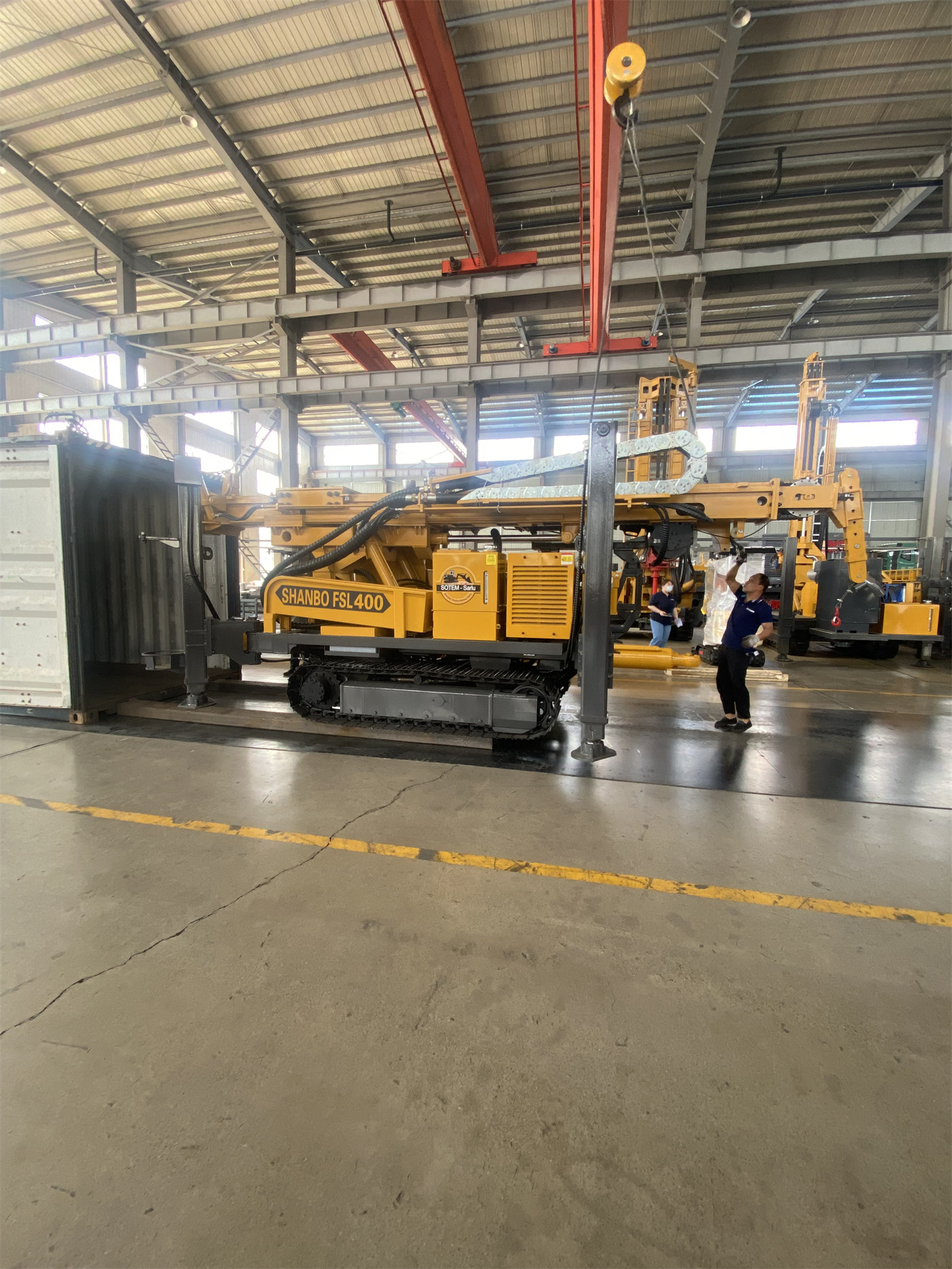
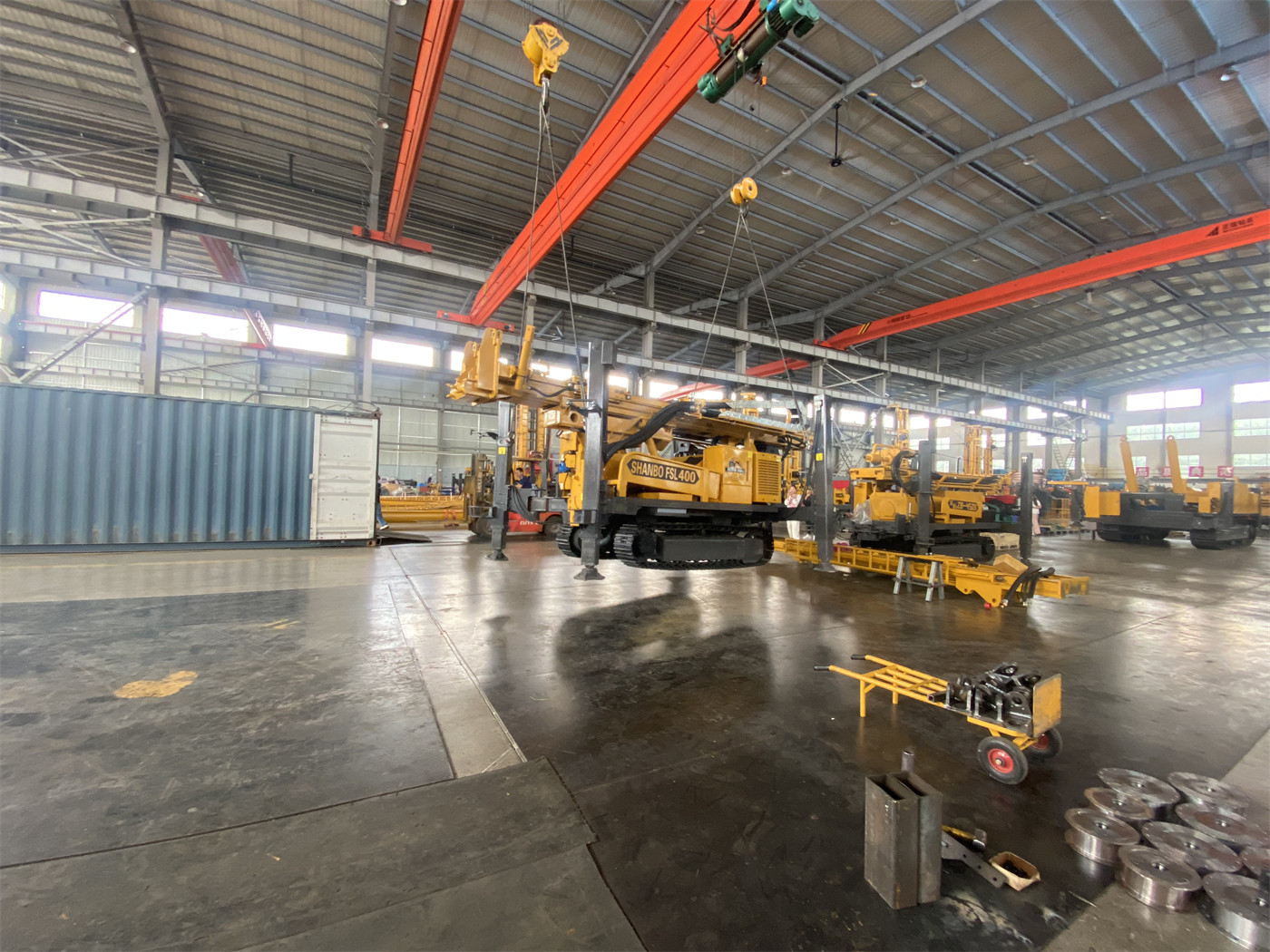
The materials mention that an RC site usually also requires a large air compressor and a sampling system, so fuel supply, equipment layout, and maintenance space should be planned as a whole before work begins; the overall machine weight is about 12.5 T, and the external dimensions are about 7 × 2.1 × 2.9 m. The site also needs to accommodate the air compressor, cyclone sampling system, sample bags, and transport vehicles. Cold mining areas often mean longer supply cycles and more limited time for site preparation, which is directly related to the several conditions listed in the materials as requiring unified planning, but the materials do not provide additional layout requirements for low-temperature environments.

Another easily overlooked boundary: the applicable scope of the sampling method
The materials state that RC drilling obtains cuttings samples, not complete cores; on site, fixed sampling intervals can be set according to project requirements, for example, collecting one bag of samples every 1 m or every 2 m. Fracture zones and large fissures can cause air leakage, and cuttings may remain in the hole and then return in a concentrated manner, causing the correspondence between samples and actual depths to deteriorate. This point is not specific to low-temperature environments, but it also holds in continuous cold-weather sampling projects and will overlap with the aforementioned cyclone cleaning stage.
Judgments that the existing materials can and cannot support
| Judgment item | Basis in the materials |
|---|---|
| Discontinuous sample return will interrupt the entire three-in-one process | The materials clearly state that sample return continuity is affected by hole depth, sealing, and air leakage |
| The cyclone and splitter need to be cleaned when changing sections | The materials have clear requirements in the maintenance section |
| Sample bags and field records need to remain consistent | The materials clearly require marking the drill hole number, number, start and end depths, etc. |
| Impact of low temperature on air pressure and air consumption | Not covered by the materials; needs separate confirmation |
| Changes in cleaning time and residue properties under low temperature | Not covered by the materials; needs separate confirmation |
| Adaptability of identification materials or recording methods in low-temperature environments | Not covered by the materials; needs separate confirmation |
| Layout and supply arrangements for the air compressor in cold mining areas | The materials only state that unified planning should be carried out, with no low-temperature-specific explanation |
Based on the above review, in a continuous sampling environment in a cold mining area, the weak links of the three-in-one system that can be supported by the materials are concentrated in four areas: sample return continuity, cleaning rhythm for the cyclone and splitting, sample identification consistency, and supporting air supply and site layout. The materials do not provide low-temperature-specific design or low-temperature performance data, so this article does not draw a conclusion about whether this model can achieve the same sample recovery rate at low temperature as at normal temperature. Before selecting equipment or organizing construction, the project party should separately verify with the manufacturer or project technical lead the adjustment range for air pressure and air consumption under low-temperature conditions, the criteria for cleaning and contamination prevention operations, the adaptability of sample identification and recording methods, and the air compressor layout and supply cycle.