

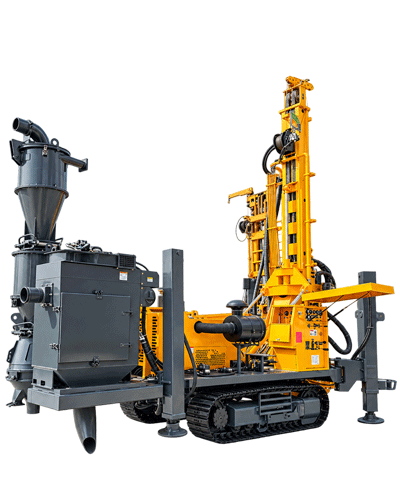
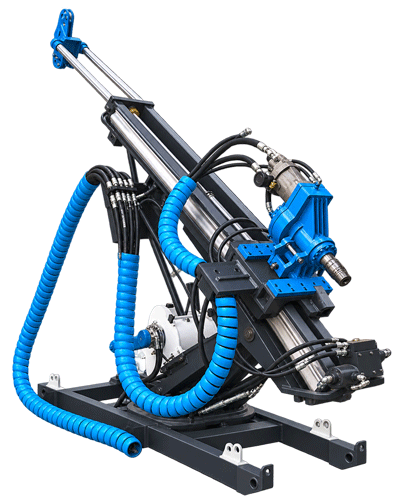
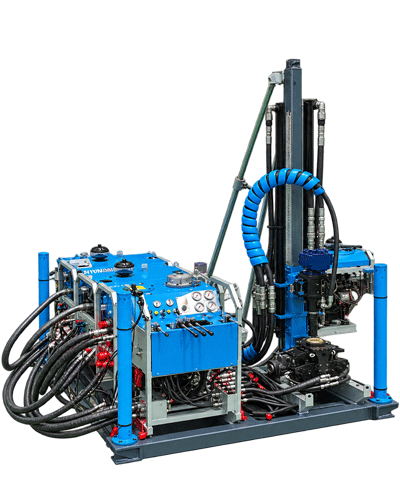
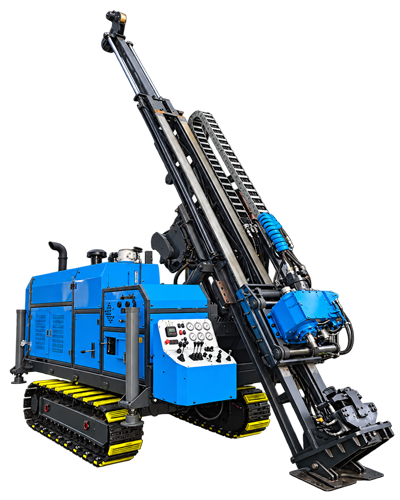
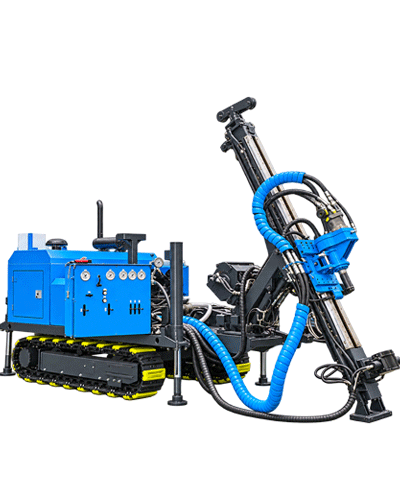
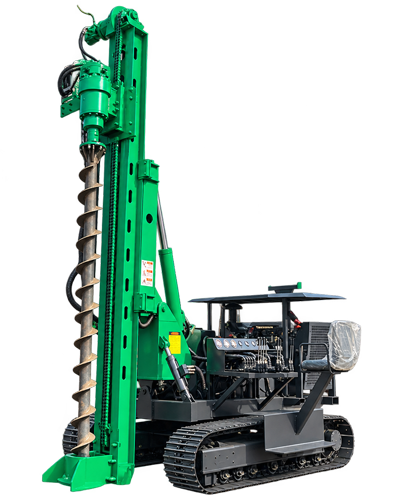
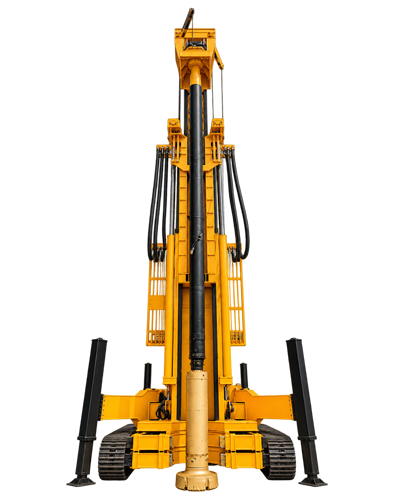
The first line of the CR1600I product data states a B-size reference drilling depth of 2000 m. If only this number is remembered, one might think deep-hole capability is just a depth line. The same data also states 4800 N·m maximum torque, 185 kN pull force, 6 mm wire rope 1800 m rope capacity, 250 L/min mud flow, 320 L/min main pump flow, and 31 MPa main pump pressure. Only by reading these values together can it be explained why a rig can go deeper. Below, they are examined separately according to the work stage each constrains.
Nominal drilling depth itself is a three-tier conditional value
The reference drilling depths given in the CR1600I data are not a single number: B size 2000 m, N size 1500 m, H size 850 m. The size letters correspond to drill tool diameter systems; when the same rig is fitted with different size drill tools, the depth limit changes accordingly. These are not three models, but three lines for one rig under different drill tool conditions.
On the same page, the power head maximum speed is 1500 rpm, with a gear conversion ratio of 1:3. Speed and torque are linked through gear transmission; in deep-hole sections, speed is usually reduced first to preserve torque, and the specific ratio is adjusted according to changes in downhole resistance rather than determined by a single number.
Torque constrains the rotation stage
4800 N·m maximum torque corresponds to the capability required to rotate the drill string. The deeper the hole, the greater the drill string weight, and the more obvious the resistance from borehole wall friction, diameter reduction, and cuttings accumulation. The data lists 4800 N·m and 1500 rpm on the same line, indicating that this power head has an adjustable range between speed and torque, rather than preserving only one extreme value.
The data does not provide recommended torque values for different hole depths and hole diameters; this part falls within the scope of on-site judgment based on downhole return conditions, and this article does not infer it.
Feed force and pull force govern the axial direction
Feed force 63 kN and pull force 185 kN belong to two different directions from torque. In deep holes, the drill string's own weight increases, and pull force must bear the drill string weight plus downhole friction; feed force affects whether bit pressure can be stably applied to the hole bottom. The 185 kN pull margin given in the data is intended to leave operating room when sticking occurs downhole or when tools need to be recovered.
The chuck through-hole is 150 mm, suitable for NQ, HQ, PQ, NTW, and HTW drill rods. The clamping method is hydraulic clamping plus wooden-horse wedge self-weight anti-drop. The chuck through-hole size determines which drill tool tier the rig can pass, and is an unavoidable item in the deep-hole drill tool system.
Winch rope capacity determines the auxiliary rhythm of deep-hole coring
The winch system uses 6 mm wire rope, with 1800 m rope capacity, 118 m/min lifting speed, and 13.5 kN lifting force. In wireline coring operations, the inner tube needs to be lifted from the hole bottom to the collar; the deeper the hole, the longer this distance. The 1800 m rope capacity is matched with the 1500 m-class N-size drilling depth, leaving a margin.
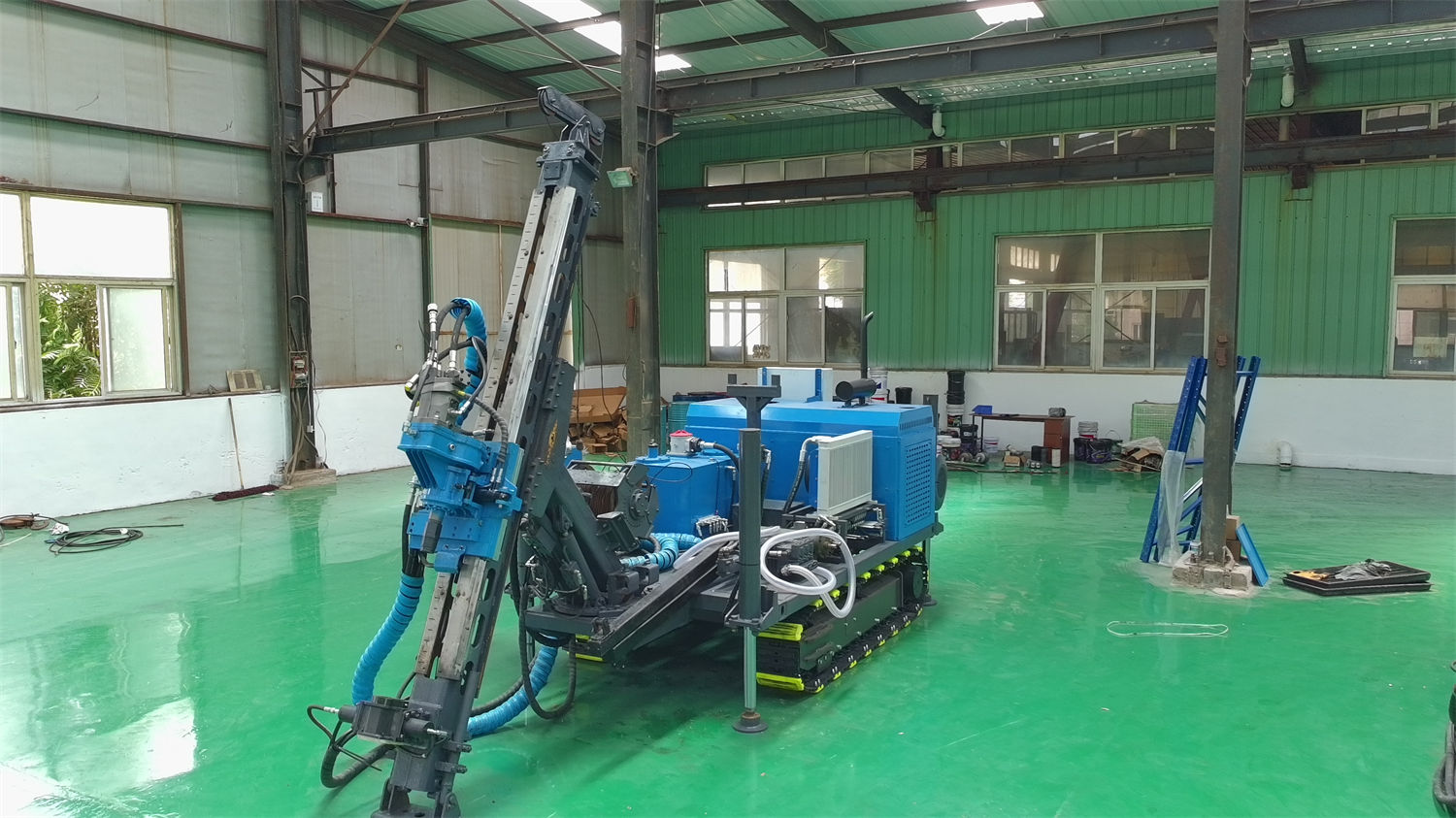
The data lists rope capacity and lifting speed separately because they affect two different things: rope capacity determines how deep this winch can serve, while speed affects the auxiliary time per run. In deep-hole multi-run operations, the cumulative effect of the latter is more obvious than a single value.
Mud circulation and hydraulic system are two supporting capabilities
The mud system has a flow rate of 250 L/min and pressure of 7 MPa, involving bit cooling, cuttings carrying, and borehole wall stability. In deep holes, the cuttings transport distance is longer, and return water stability directly affects the drilling rhythm. The data does not provide mud formulas or flow settings for different formations; such content should be based on on-site return conditions and the construction unit's process documents.
Hydraulic part: main pump flow 320 L/min, pressure 31 MPa; auxiliary pump flow 160 L/min, pressure 23 MPa. High-flow hydraulics support simultaneous operation of the power head, feed, side shift, and other actuators. The data also notes that long-term construction should control hydraulic oil cleanliness, filter pressure difference, and system temperature rise, which are maintenance items to watch in long-cycle projects.
| Parameter group | Value | Constrained stage |
|---|---|---|
| Reference drilling depth | B 2000 m / N 1500 m / H 850 m | Depth limit varying with drill tool size |
| Maximum torque | 4800 N·m | Rotating drill string, overcoming downhole friction |
| Feed force / pull force | 63 kN / 185 kN | Bit pressure application and drill string lifting |
| Winch | 6 mm rope, 1800 m capacity, 118 m/min | Wireline inner tube lifting and auxiliary time |
| Mud system | 250 L/min, 7 MPa | Cooling, cuttings carrying, borehole wall stability |
| Hydraulic system | Main pump 320 L/min, 31 MPa | Coordinated power for actuators |
Matching values for drilling angle, mast, and feed section
The CR1600I supports 45°–90° drilling angles, handles drill rod lengths of 1.5 / 2 / 3 m, has a hydraulic telescopic mast, 3.3 m feed stroke, adjustable fast and slow feed speeds, and hydraulic side shift for movement. Together, these define the rig's operating posture and repositioning method at each hole location, belonging to a different level from the previous value groups.
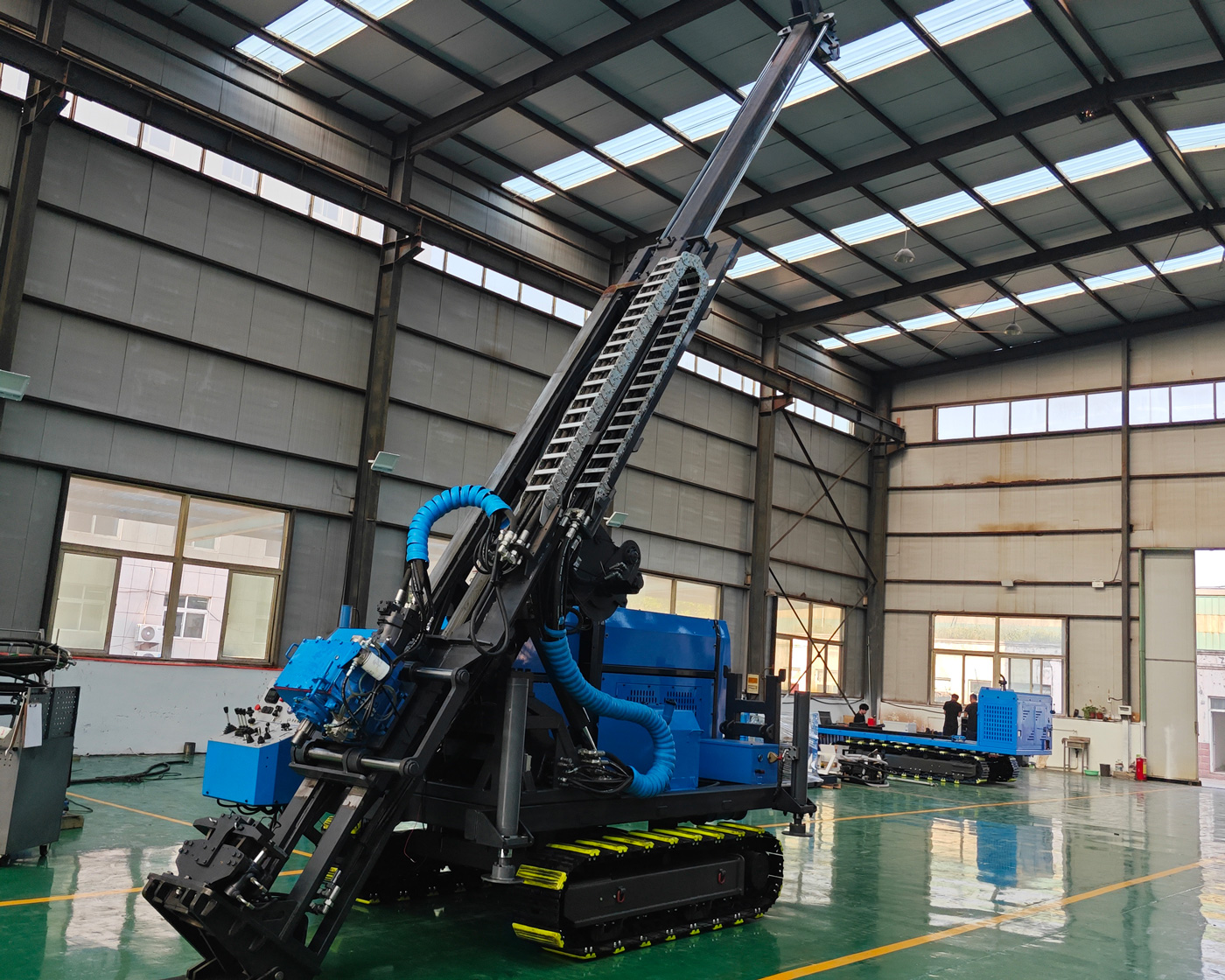
Inclined holes have their uses in deep orebody control; the data does not give the drilling depth reduction relationship for different inclination angles, and this needs to be confirmed with the project and manufacturer.
One label in the power assembly section needs attention
The power parameters provided in the data are Cummins 6CTA8.3, displacement 8.3 L, rated power 153 kW, rated speed 2000 rpm, 6-cylinder in-line turbocharged, water-cooled, 24 V electrical system. In the same PDF, the last column of the power assembly table shows the model title BX1500T, while the other parameter tables correspond to BX1600T. This article only organizes the power parameters given in that column and does not make additional inferences about the model title discrepancy.
Matters still to be confirmed beyond these parameter groups
- Recommended speed and torque ratios for different hole diameters and drill tool sizes are not listed in the data and should be adjusted on site according to downhole conditions.
- Mud system adjustment plans for deep leakage and fractured aquifers are not stated in the data.
- The effect of each inclination angle within 45°–90° on the drilling depth limit is not given as a reduction value in the data.
- For the model title discrepancy in the power assembly table, it is recommended to verify with the manufacturer during procurement or the technical agreement stage.
Deep-hole capability is the result of reading reference drilling depth, torque, feed and pull, winch rope capacity, mud circulation, and hydraulic system values together. Actual drilling efficiency, drilling depth, and core recovery are affected by geological conditions, downhole tools, drilling angle, and operating methods, and should be based on on-site working conditions.