












In preparation for mobilizing a mountain coring project, the difficulty rarely lies in the question of whether to bring a drill, but rather in what happens after the equipment is broken down into several pieces: which section of road can deliver which module to which platform level, who will carry it once it reaches the hole collar, how long assembly will take, and what to check first after assembly. The publicly available information for the CR600P includes a set of values that are easy to skip over—power unit 180–260 kg, operating unit 125 kg, hydraulic oil unit (including oil) 140 kg, mud unit 86 kg, total weight 1200 kg—and these more directly determine what needs to be done during mobilization than the nominal drilling depth.
The preparation checklist below is arranged in mobilization order: first confirm transport, then assess the site, then arrange assembly, and finally carry out pre-drilling checks. Each item only states what the information already specifies; items not covered by the information are listed separately at the end.
Step 1: Verify whether transport can be completed, by module rather than by complete machine
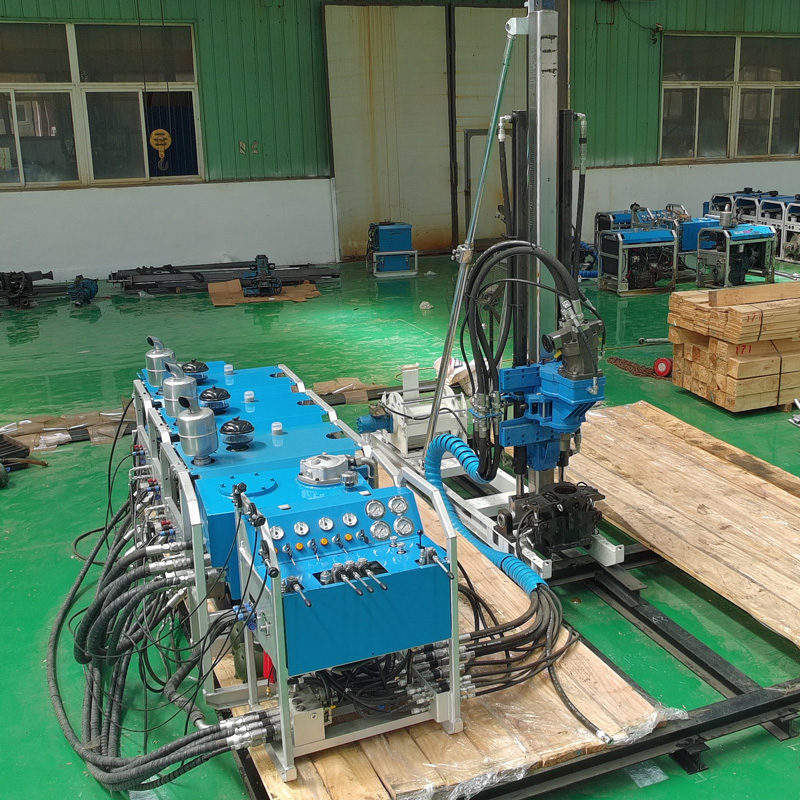
The design premise of the CR600P is a modular split structure: power, hydraulic, operating, mud, and drilling mechanisms are separated into functional units that can be transported independently. This means the transport plan must be determined by module and cannot be judged based on the 1200 kg complete machine.
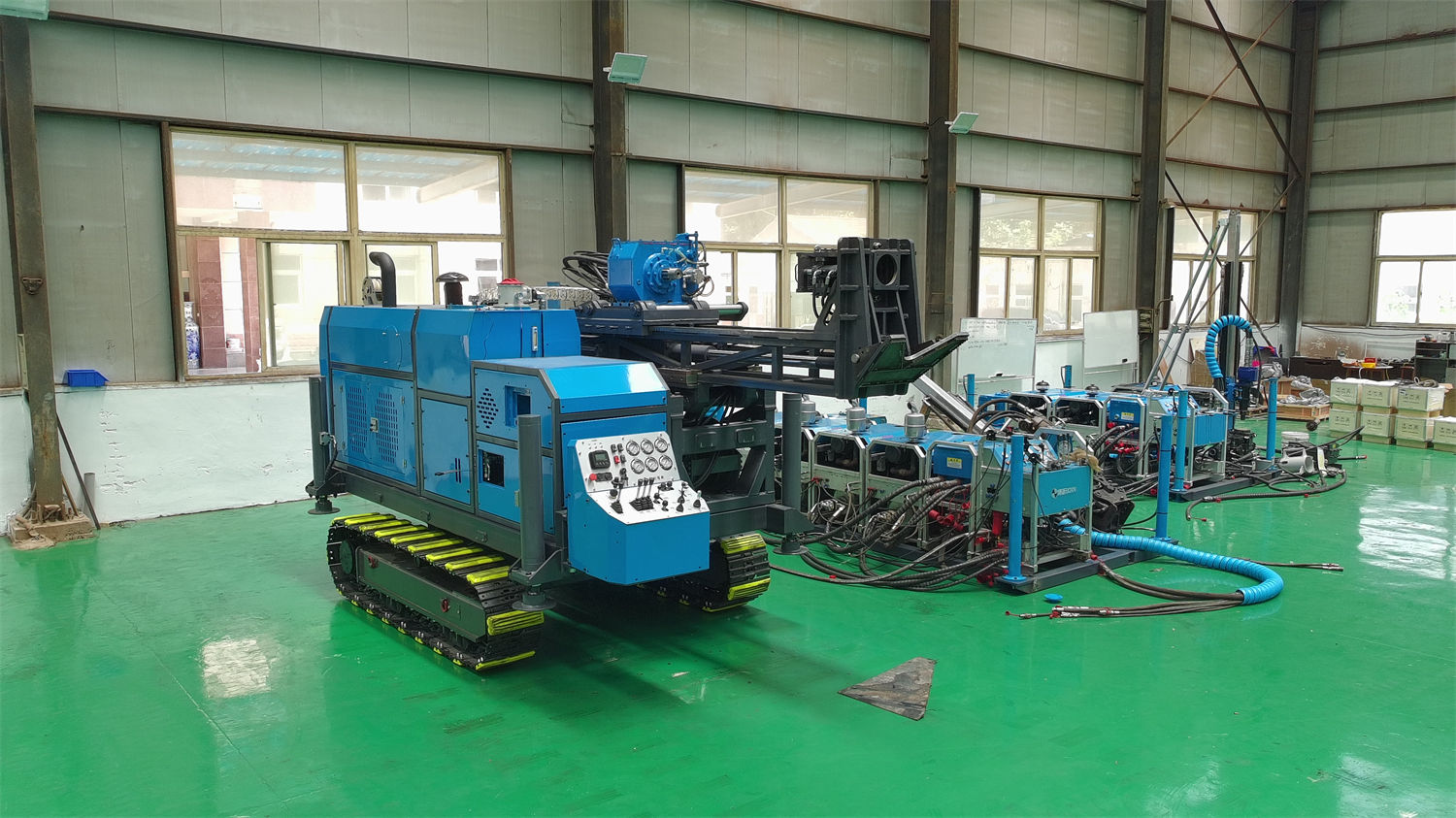
- Verify the actual transport method for each individual module. The module reference weights given in the information range from several tens of kilograms to 260 kg, and the weight of the hydraulic oil unit is given in the “including oil” state. If the oil is drained before transport on site, the weight will differ from the information, and this point needs to be confirmed with the manufacturer.
- Verify the farthest point the transport route can reach. The CR600P is intended for mountainous areas, forest areas, and mining areas without roads. The modular design reduces the transport difficulty of individual modules, not the need to move them from the unloading point to the hole collar.
- Verify the organization of batch transport. The information explicitly states that “modules can be transported in batches to near the hole collar according to site conditions, and then assembled.” The batch order and which unit corresponds to each batch are matters of site organization, and the information does not provide a fixed plan.
- Verify whether the electric option is used. The CR600P can use diesel power or electric power. The diesel engine power requirement is ≥66 kW, and a 22 kW × 2 electric motor combination can also be used. If the power form changes, the fuel support, power connection, and corresponding equipment required for mobilization must also change accordingly.
Step 2: Site conditions—confirm the assembly surface before the drilling surface
Assembling split equipment requires a space where multiple modules can be placed and connected, which differs from the mobilization logic of an integrated machine where “once the vehicle is in place, it can be set up.” Site-related content in the information includes: applicable drilling angle 45°–90°, feed stroke 1.8 m, applicable drill rod length 1/1.5 m, and overall weight 1200 kg. The temporary platform for assembly and the platform for drilling are not the same thing in terms of load-bearing.
- Assembly area: whether it can accommodate multiple modules placed at the same time and allow connection of quick-change couplings and hydraulic lines.
- Drilling area: the 45°–90° range means inclined holes must also be able to be laid out on the platform. The information mentions that before inclined hole construction, the drill mast and base must be ensured to be stable.
- Surrounding conditions: the information states that before construction in mountainous areas, slope stability, rockfall, rainy season roads, manual transport routes, and temporary platform load-bearing capacity should still be assessed. These are not drilling parameters, but they directly determine the mobilization pace.
- Hole location distribution: the information mentions that this structure is suitable for exploration projects with relatively scattered drilling positions. If the holes along an exploration line are scattered, the assembly surface will recur with each hole location, and the preparation checklist should be arranged by number of holes rather than by one piece of equipment.
Step 3: Assembly division of labor and time expectations
The information clearly states that assembly can be completed in as fast as about 30 minutes, while also explaining that the actual time required will be affected by transport distance, site conditions, personnel proficiency, and supporting equipment. This distinction should be written into the preparation checklist: 30 minutes is a reference value given in the information, not an on-site commitment.
| Preparation item | Basis in the information | Points to verify during mobilization |
|---|---|---|
| Division of labor for lifting and manual transport | Module reference weights: power unit 180–260 kg, operating unit 125 kg, hydraulic oil unit (including oil) 140 kg, mud unit 86 kg | Who transports each unit and by what method is not given in the information |
| Assembly time | As fast as about 30 minutes, affected by transport distance, site conditions, personnel proficiency, and supporting equipment | Allow margin according to one’s own conditions; do not schedule the project based on the reference value |
| Connection points | The information requires checking quick-change couplings, hydraulic lines, and structural connections after assembly | Inspection items and responsible persons |
| Drilling angle layout | Supports 45°–90° drilling; before inclined hole construction, the drill mast and base must be ensured to be stable | Whether it is an inclined hole and how the base is fixed |
Step 4: Checks to be implemented after assembly and before drilling
The information describes pre-drilling checks in relatively specific terms and can be used directly as checklist items.
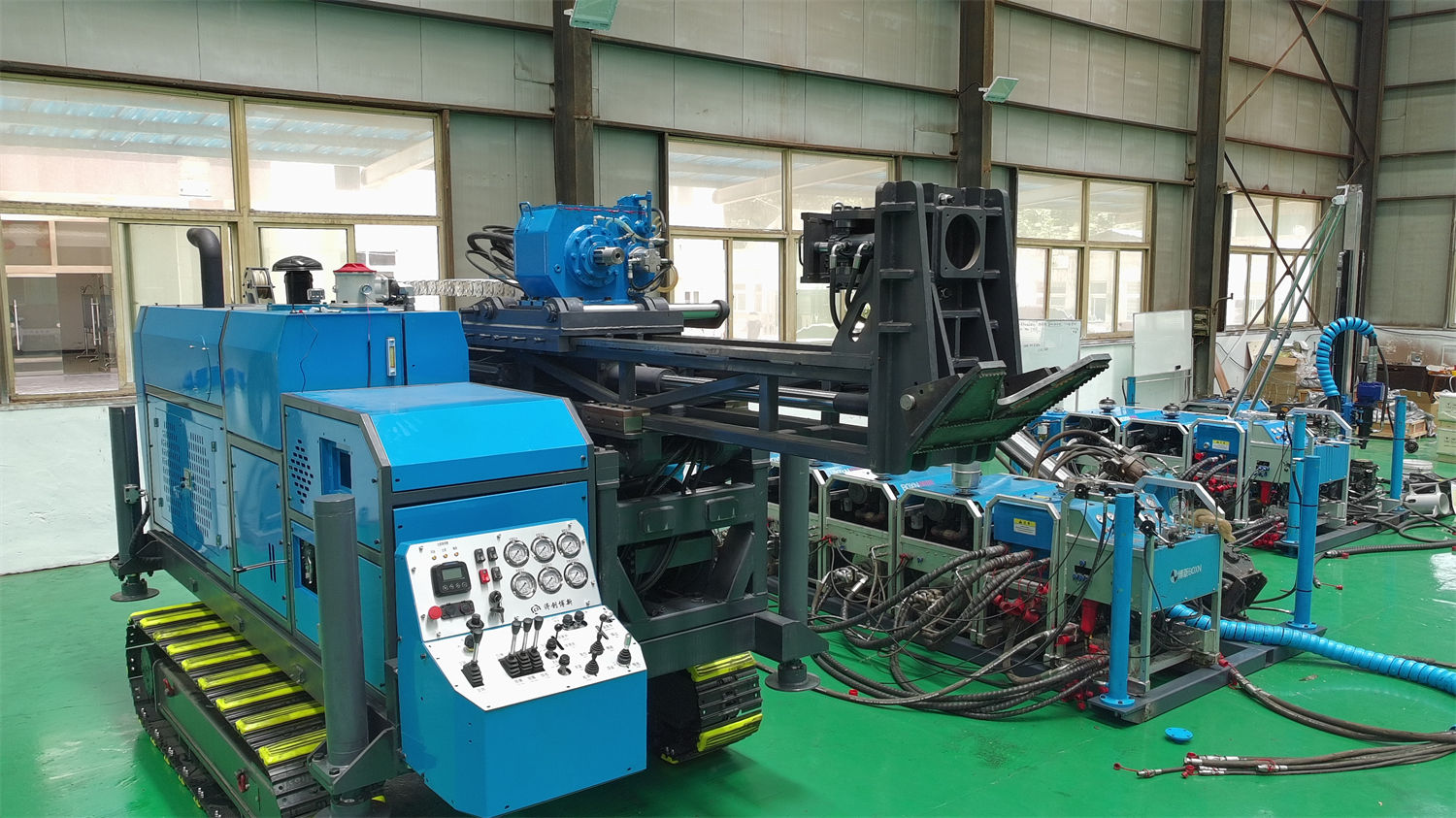
- Verify module weights and transport routes before equipment mobilization.
- After assembly, check quick-change couplings, hydraulic lines, and structural connections.
- Before inclined hole construction, ensure the drill mast and base are stable.
- During continuous drilling, regularly check hydraulic oil, filters, wire rope, chuck, and mud pump.
- If abnormal temperature rise, leakage, or changes in pull-out resistance occur, troubleshoot promptly.
The first two items are most closely related to the assembly stage. The chuck uses hydraulic clamping, with a maximum clamping force of 120 kN, a through-hole capacity of 54–127 mm, and a pressure-loss protection design. The information requires keeping the clamping surface clean and regularly checking hydraulic pressure when making and breaking connections and handling drill rods. The wireline winch is equipped with 6 mm wire rope and a rope capacity of 800 m. Broken wires, flattening, wear, and rope spooling condition should be included in daily inspections. Although these two items are daily inspection content, their condition should be confirmed once during mobilization assembly.
Determine the matching preparation of drilling tools and winch according to hole depth specifications
The drilling capacity of the CR600P is stated as BQ reference drilling depth 760 m, NQ reference drilling depth 600 m, and HQ reference drilling depth 280 m. The three specifications correspond to different drilling tool combinations. Before mobilization, the items to be carried should be determined according to the specification actually used by the project, rather than preparing all three sets to the same standard.
| Item | Value in the information |
|---|---|
| BQ reference drilling depth | 760 m |
| NQ reference drilling depth | 600 m |
| HQ reference drilling depth | 280 m |
| Applicable drill rod length | 1 / 1.5 m |
| Wireline winch rope capacity | 800 m (6 mm wire rope) |
| Lifting speed | 116 m/min |
The mud unit uses a plunger high-pressure pump with a flow rate of 90 L/min and a pressure of 3 MPa. The information explains that in intact rock formations it mainly serves to cool and carry rock cuttings; in strongly weathered, fractured, or loose hole sections, mud performance adjustment and casing measures are also needed to maintain borehole wall stability. Mud-related materials and casing are supporting items that must be implemented before mobilization, and their specific specifications are not given in the information.
Parts not covered by the information that need confirmation from the manufacturer
- The actual weight differences of each module when transported with oil, without oil, or in other states.
- The recommended assembly sequence, number of personnel, and lifting method.
- Module allocation plans corresponding to different transport methods and road conditions.
- The specific fixing requirements for ensuring the drill mast and base are stable during inclined hole layout.
- The basis for selecting specifications of mud materials and casing.
The CR600P is intended for mountainous areas, forest areas, and mining areas without roads. The information also states that due to differences in actual geological conditions, downhole tools, drilling angles, and operating methods, the final drilling efficiency, drilling depth, and core recovery effect should be based on on-site working conditions. The purpose of the mobilization preparation checklist is to confirm the controllable parts in advance; the downhole working conditions can only be judged section by section after drilling begins.