












In the CR1000P parameter table, the rotary power head section lists three lines: spindle direct drive, maximum speed 1250 rpm, and maximum torque 1100 N·m. In the mud unit of the same document there is also a 1500 rpm figure—that is the speed of the mud agitator. The two values share the same unit but point to completely different systems. This article only discusses which stage the power head's 1250 rpm actually constrains in deep-hole coring, and what it cannot explain.
1250 rpm describes the power head's own rotational upper limit
First, let us clarify what the value belongs to. The 1250 rpm is listed in the rotary power head column, alongside the drive type (gear hydraulic motor), transmission type (spindle direct drive), and maximum applicable drill rod diameter of 114 mm. This is a system-given value: under permissible hydraulic and transmission conditions, the maximum speed the power head spindle can reach.
It needs to be distinguished from two other values. One is the mud agitator's 1500 rpm, which is the speed of the mixing device itself; the other is the motor's 3000 / 1450 rpm, which is the power source side speed, with hydraulic transmission still between it and the spindle speed. Treating these three values as the same type of parameter will cause subsequent comparisons to lose their baseline.
Speed constrains the rotation stage, not the drilling rhythm of the entire rig
Coring drilling can be roughly divided into several simultaneous working stages: rotation, axial feed, mud circulation, and wireline hoisting. The CR1000P has its own values for each stage.
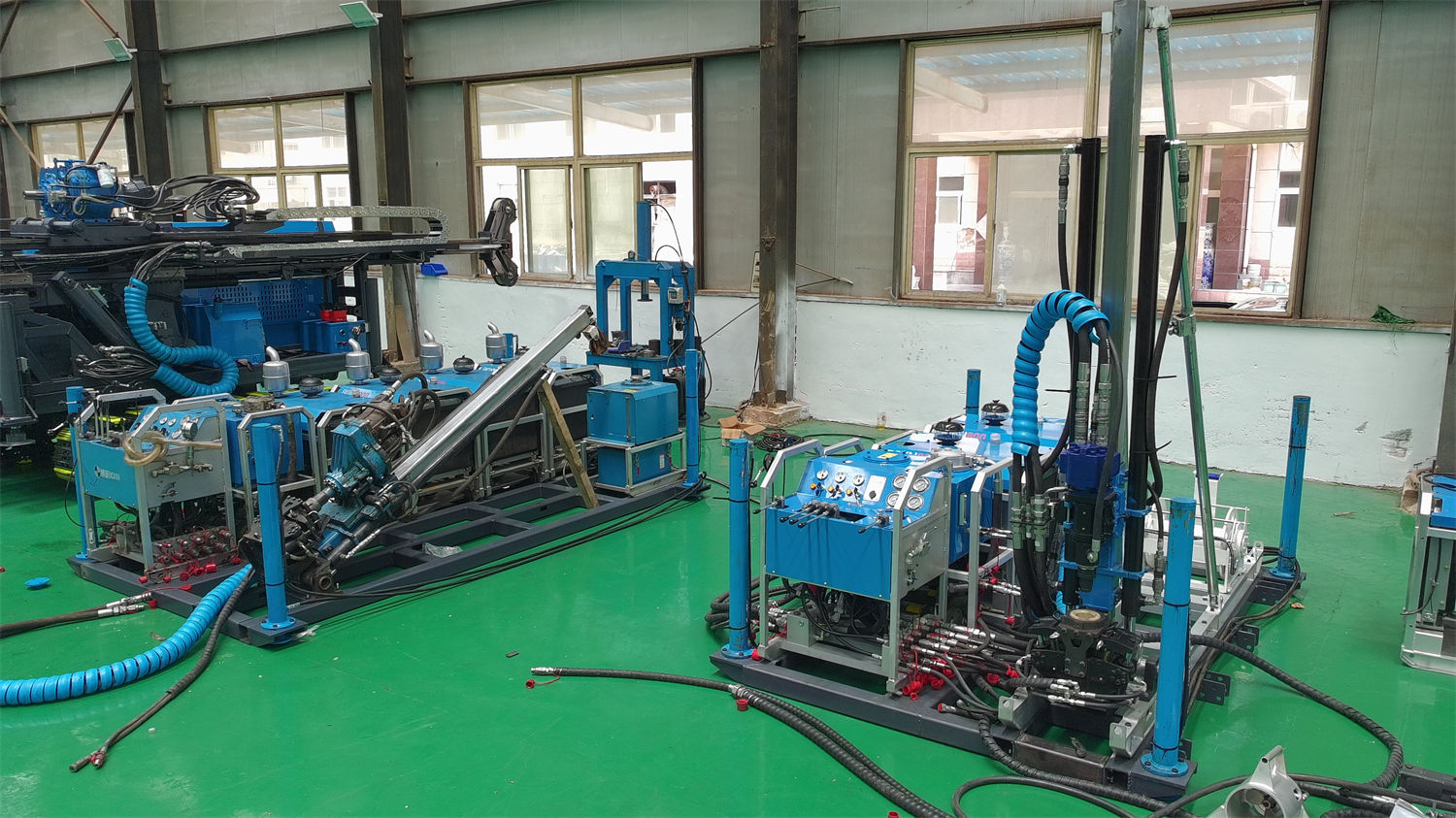
- Rotation: maximum speed 1250 rpm, maximum torque 1100 N·m
- Axial: feed force 67 kN, pull force 130 kN, feed stroke 1.8 m
- Circulation: mud flow rate 100 L/min, mud pressure 7 MPa
- Auxiliary: rope capacity 1200 m (6 mm wire rope), empty drum lifting force 14.5 kN, full drum lifting force 6.9 kN
The 1250 rpm appears only in the first group. It can indicate the upper limit of power head rotation, but it cannot replace the judgment of whether a deep hole is feasible based on axial load, flushing fluid displacement, and hoisting capacity.
Conditions under which 1250 rpm appears in the documentation
The CR1000P has a BQ reference drilling depth of 1150 m, NQ reference drilling depth of 1000 m, and HQ reference drilling depth of 550 m; as the coring diameter decreases, the reference drilling depth increases. Yet the same rig's power head has only one maximum speed value, which itself shows that the nominal speed is the upper limit on the equipment side, and how much speed is actually used under different hole depths, diameters, and rock formations is another matter.
Listed alongside the speed in the documentation are the drilling angle of 45°–90°, applicable drill rod length of 1 / 1.5 m, and maximum applicable drill rod diameter of 114 mm for the power head. These items together form the working boundary of the rotation system, and any single reading alone is insufficient.
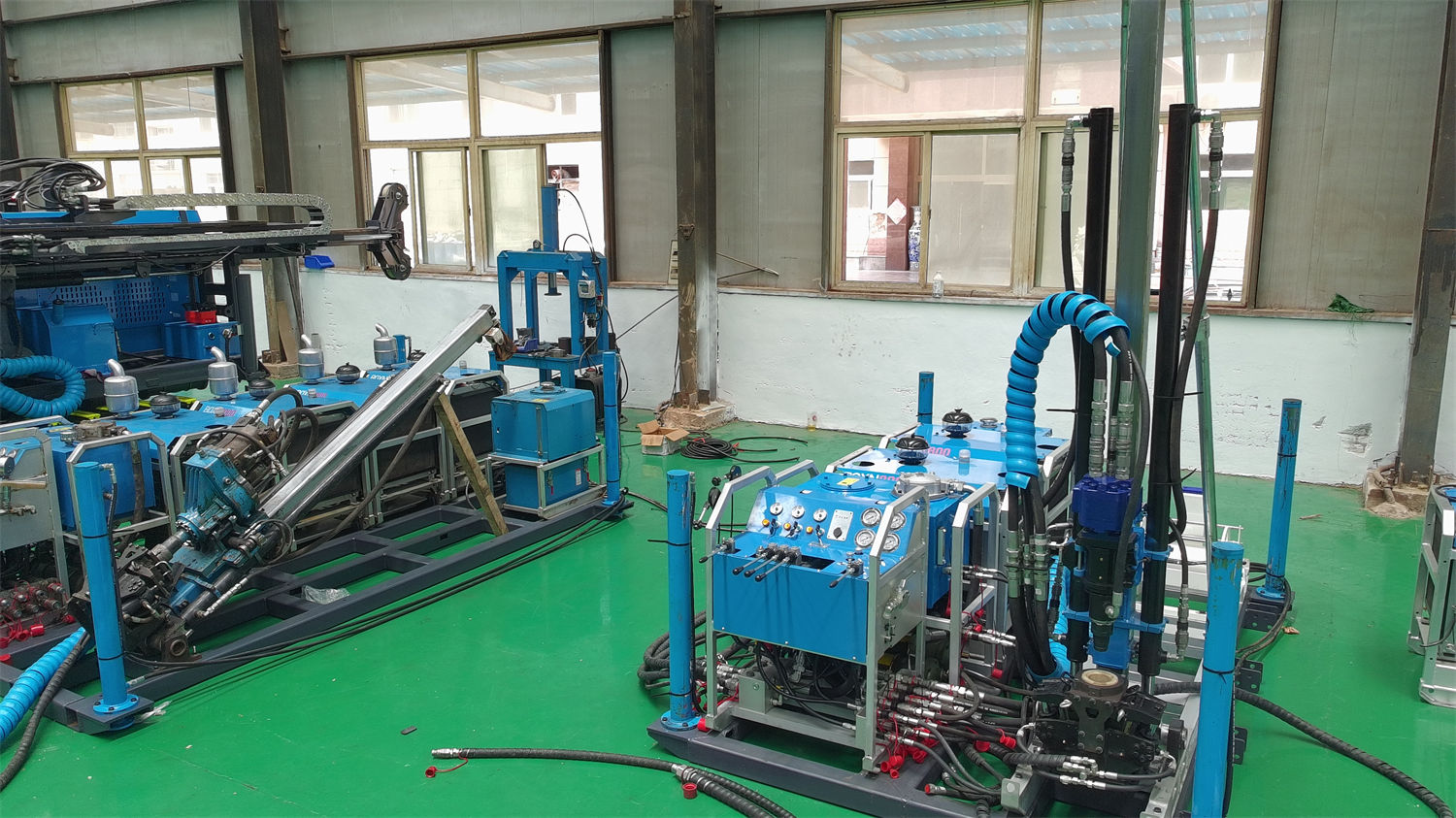
As hole depth increases, speed faces load changes
After the power head section, the documentation explicitly states: as hole depth increases, the effects of drill rod weight, borehole wall friction, and hole deviation become more pronounced, and operators should promptly adjust bit pressure, speed, and flushing fluid according to changes in torque and pull-out resistance, avoiding continuous forced drilling under abnormal conditions.
This statement places speed within a dynamic relationship. The 1250 rpm is the upper limit the power head can reach, while the speed actually selected in the hole is jointly affected by several factors: bit type and cutting method, the integrity of the current rock formation, whether the flushing fluid can carry cuttings out, and the rotational resistance caused by the self-weight of the drill string. In deep holes, if drilling parameters do not match downhole conditions, problems will first appear in torque and pull-out resistance, not on the speed gauge.
Two common reading and writing biases
The first is viewing 1250 rpm and torque separately. The two values on the same line correspond to two loads on the same drill string—the torque required to rotate it, and the ability to rotate it at a certain speed. The CR1000P's 1100 N·m and 1250 rpm come from the same power head and cannot be cross-combined with another rig's torque and speed.
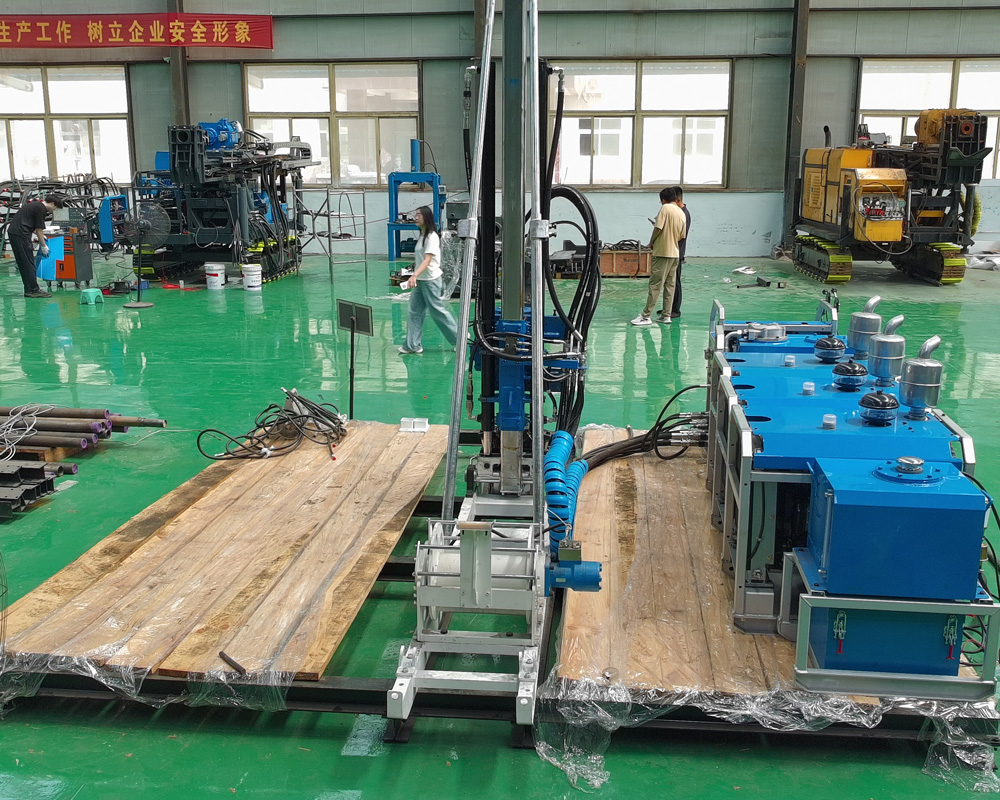
The second is treating 1250 rpm as a drilling efficiency indicator. The documentation does not provide the mechanical drilling rate achievable at a certain speed in a corresponding rock formation, nor does it provide changes in bit life at different speeds. To judge what efficiency a rig can achieve in a certain mining area, on-site conditions, downhole tools, and operating methods must all be considered together, as the documentation itself notes.
What this rig's documentation does not answer
The following questions cannot be substantiated in the CR1000P's public documentation and require separate confirmation from the manufacturer or project party: which specific working conditions correspond to 1250 rpm, the temperature rise performance of the hydraulic system when continuously using this speed, the recommended speed range for different rock formations, and the correspondence between speed and bit selection. These belong to on-site process and operational aspects, not to the scope that a single value in the documentation can cover.
By the same reasoning, the 1200 m rope capacity and 116 m/min hoisting speed describe the capability of the hoisting system and should not be grouped with the power head's 1250 rpm to evaluate the rig's drilling capability.