

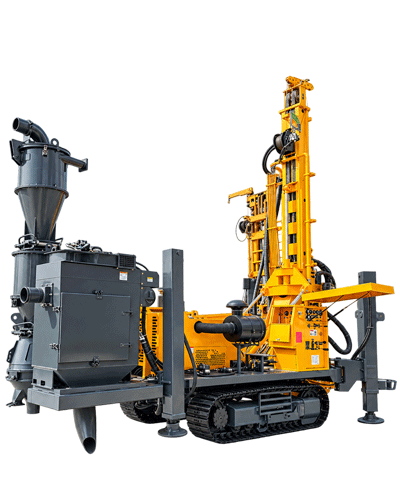
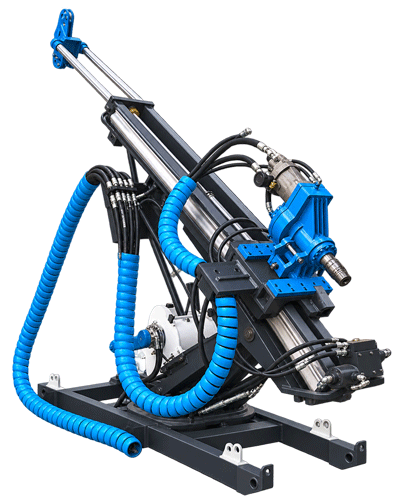
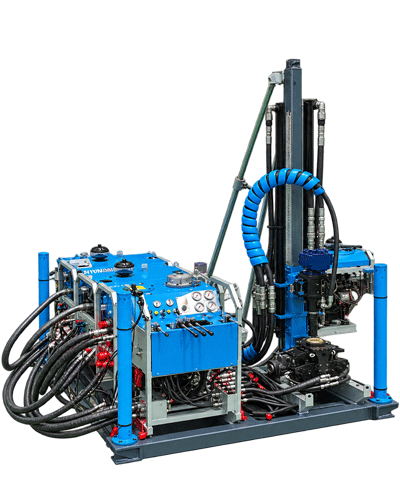
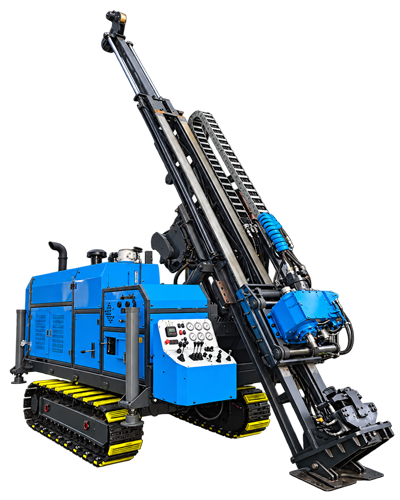
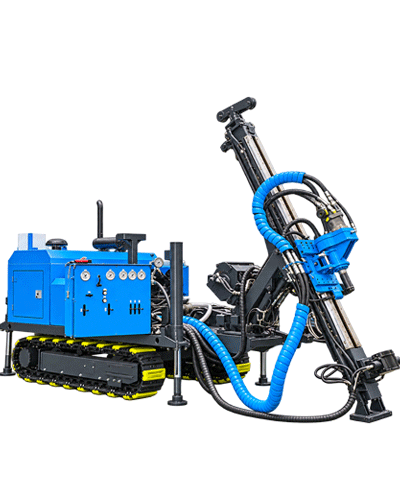
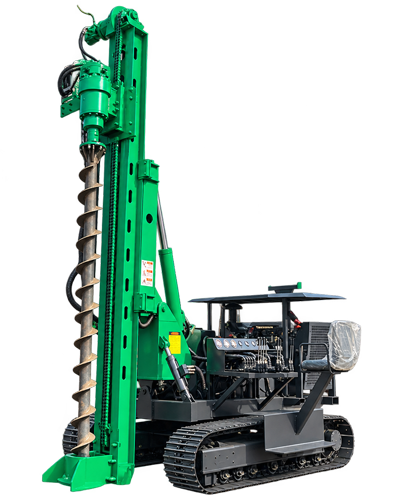
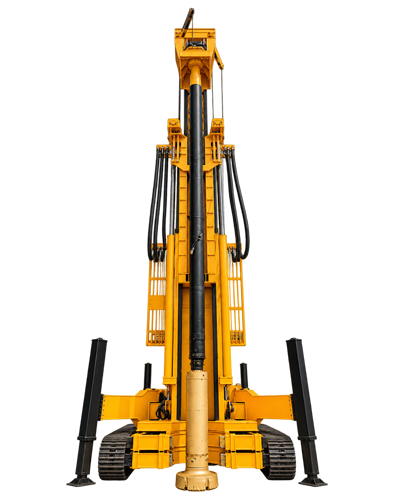
Once a deep exploration hole exceeds one kilometer, the wireline winch and pulling system are no longer auxiliary items that just need to be "good enough"; they become the process foundation running through the entire hole. The deeper the hole, the longer the single-trip distance for inner-tube retrieval, the more wireline cycles, and the more easily pulling resistance accumulates. These changes are not all reflected in the single figure of "1200 m drilling depth." This article explains how to leave room for judgment when reading equipment data by examining the two types of load that are pushed higher as hole depth increases—wireline travel and pulling margin—using the CR1200P's published parameters as a reference.
As hole depth increases, the wireline is the first line to be stretched
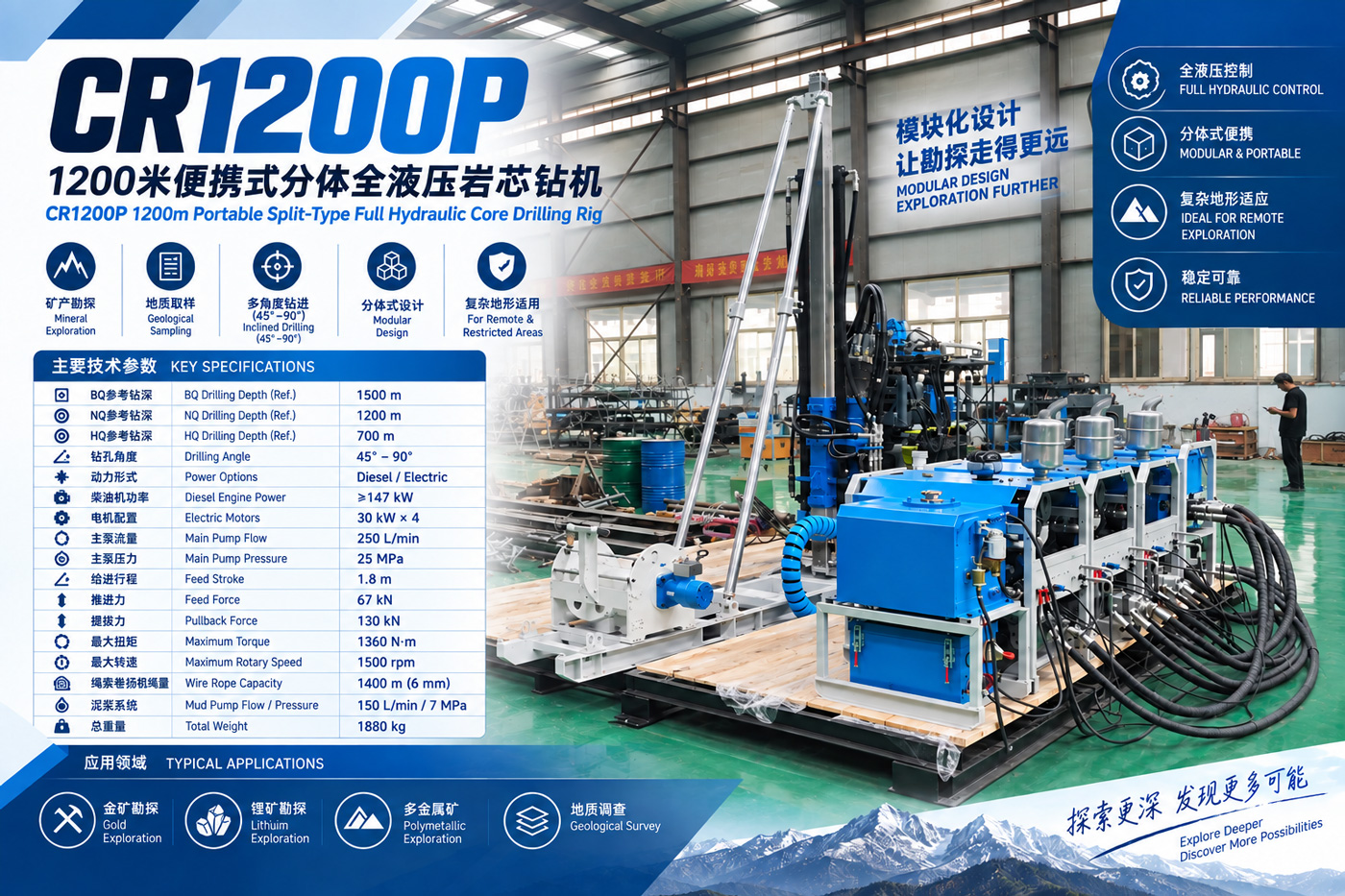
Wireline coring inner-tube retrieval relies on the winch wireline. The greater the hole depth, the longer the single-trip distance from hole bottom to collar, and the more bending cycles, friction sections and tension changes the same wireline undergoes in one run. The CR1200P data gives a winch rope capacity of 1400 m (6 mm wireline), an empty-drum pulling force of 14.5 kN, a full-drum pulling force of 5.6 kN, and a hoisting speed of 116 m/min. This set of values corresponds to an equipment class with a reference drilling depth of 1200 m for NQ and 1500 m for BQ.
There is a gap between the 1400 m rope capacity and NQ 1200 m. This gap is not "parameters written too large," but the rope length space that must be reserved in deep-hole operations: rope-end connections, changes in the number of drum winding layers, and adjustments to downhole tool combinations all consume actual usable rope length. If a project selects equipment with rope capacity sized right at the nominal hole depth, once the hole depth increases slightly or the rope end needs reworking, there may be insufficient margin.Rope capacity should be understood as a length exceeding the planned hole depth, not exactly equal to it.
The pulling force margin corresponds to downhole friction, not penetration rate
The CR1200P has a thrust force of 67 kN and a pulling force of 130 kN. For 1200 m-class boreholes, the drill string's own weight, borehole wall friction and additional resistance from hole deviation add up during tripping. The data itself also states: controlling hole deviation, maintaining borehole wall stability and reducing drill pipe friction are more important than simply increasing pulling force. This points to a judgment boundary—130 kN is a calibrated value that indicates how much lifting capacity the equipment has at this class, but it does not follow that "any 1200 m hole can be pulled out smoothly."
The deeper the hole, the harder it is to estimate the proportion of pulling force consumed by friction. Therefore, when reading the pulling force item, the more prudent approach is to view it together with drill pipe specifications, drilling angle and borehole wall stability conditions, rather than comparing numbers in isolation. If tripping resistance continues to increase, the data recommends circulation, tripping inspection or borehole wall treatment rather than forcing a pull by increasing lifting force.
| Parameter | Data value | Corresponding operation stage |
|---|---|---|
| Winch rope capacity | 1400 m (6 mm wireline) | Single-trip rope length and rope-end margin for inner-tube retrieval |
| Empty/full drum pulling force | 14.5 kN / 5.6 kN | Wireline pulling capacity as drum winding layers change |
| Pulling force | 130 kN | Lifting capacity for the drill string during tripping |
| Thrust force | 67 kN | Feed capacity for the drilling tool during drilling |
Drilling depth figures must be read together with drilling tool specifications
The CR1200P drilling depth is given in three tiers: BQ reference 1500 m, NQ reference 1200 m, and HQ reference 700 m. For the same machine, the larger the drilling tool specification, the shorter the achievable reference drilling depth. This shows that "1200 m class" is not a fixed capability but a range tied to hole diameter and drilling tool system. Rope capacity and pulling force are likewise constrained by this system: the wireline coring process in NQ hole sections differs from that in HQ sections, and inner-tube weight, number of drill pipes and lifting resistance all change.
Therefore, when judging margin, first determine the drilling tool specification mainly used by the project, then look at the reference drilling depth for that tier, and only then compare whether rope capacity and pulling force leave room. Treating the BQ tier's 1500 m directly as the machine's general drilling depth would overestimate both the applicable range of rope capacity and that of pulling force.
Requirements that continuous deep-hole operation places on supporting conditions
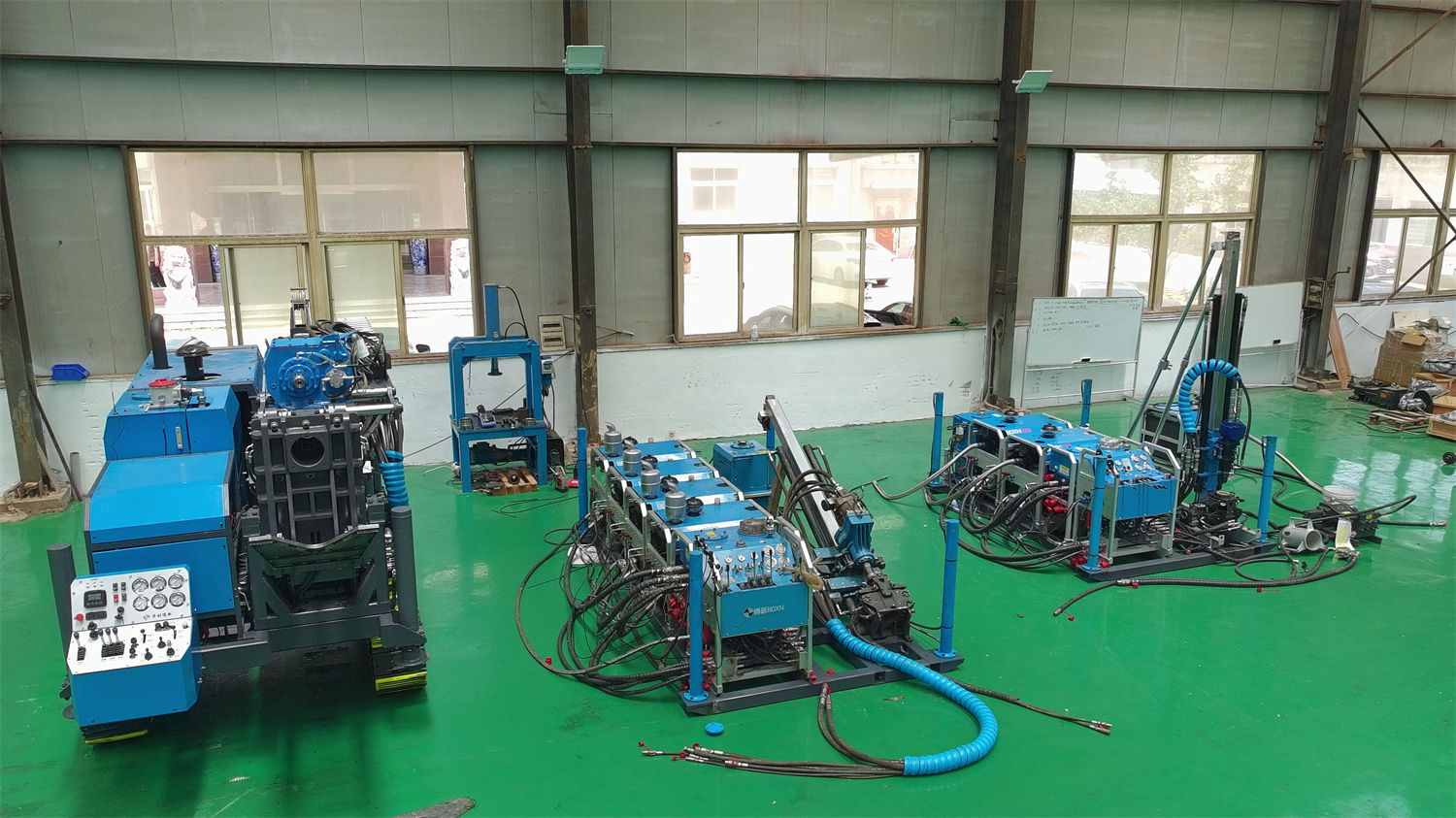
The wireline and pulling system do not work in isolation. The CR1200P main pump has a flow of 250 L/min and pressure of 25 MPa, and the mud pump has a flow of 150 L/min and pressure of 7 MPa. In deep holes, cuttings must be carried over long distances, and the mud simultaneously performs cooling, lubrication and wall protection; the hydraulic system must maintain continuous action of the power head, winch and clamp. The data notes that larger hydraulic flow is beneficial for continuous deep-hole operation, but also requires greater attention on site to hydraulic oil filtration, temperature control and high-pressure line maintenance. These supporting conditions indirectly affect the stability of the pulling and wireline systems: hydraulic fluctuations and abnormal mud returns will both be reflected in tripping resistance and inner-tube deployment.
- Inspection and replacement records should be established for the wireline, with periodic checks of broken wires, wear, indentations and rope-end connections.
- Hydraulic oil filtration, temperature control and high-pressure line maintenance should be included in the daily plan.
- Mud properties need to be adjusted according to changes in returns and pump pressure; deep leakage or fractured zones should be handled with casing, plugging or staged wall protection.
- For remote projects, common seals, filters, quick-change couplings, wireline wear parts, drilling tools and mud materials should be prepared.
Conditions not given in the data that need separate confirmation
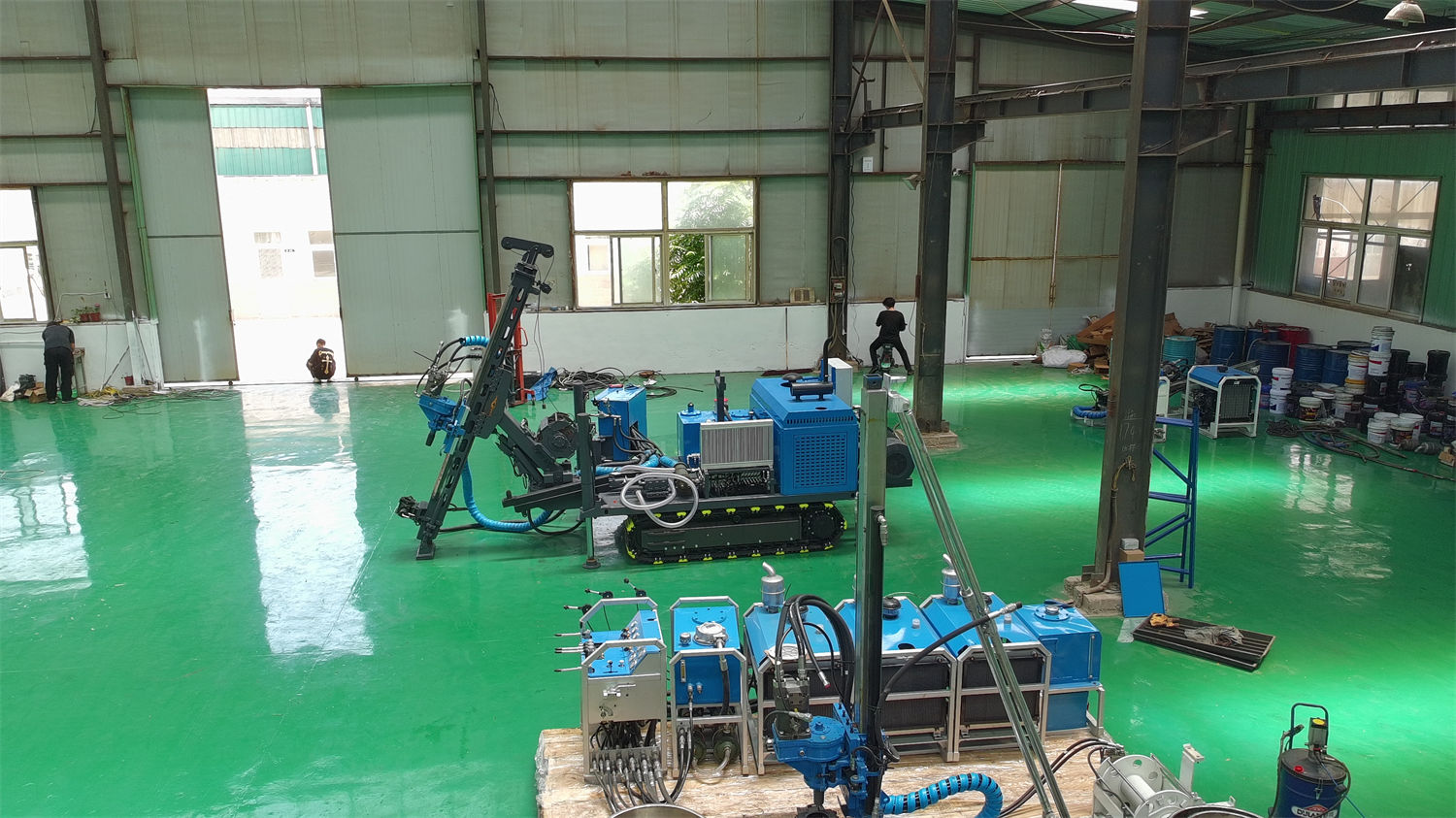
The published parameters do not state the actual proportion of pulling force consumed under different hole depths and different drilling tool combinations, nor do they give the wireline replacement cycle under specific geological conditions. These need to be confirmed with the manufacturer or on-site technical personnel based on project hole depth, drilling angle, rock integrity and operating methods. In addition, the CR1200P uses a split modular design with an overall weight of 1880 kg; the power unit, control unit, hydraulic oil unit and mud unit have separate reference weights. Before mobilization, road access, lifting points, water supply and power supply conditions also need to be verified. The data explicitly notes that final drilling efficiency, drilling depth and core recovery should be based on actual site conditions.
For deep exploration projects, judging the margin of rope capacity and pulling force is essentially answering "does this machine still have adjustment room in the deepest section of the hole." The CR1200P's 1400 m rope capacity and 130 kN pulling force provide the starting point for this judgment, not the endpoint; after the starting point, each item still needs to be checked against drilling tool specifications, downhole friction and on-site supporting conditions.