


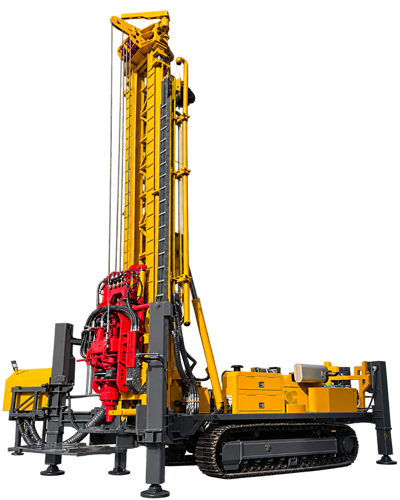
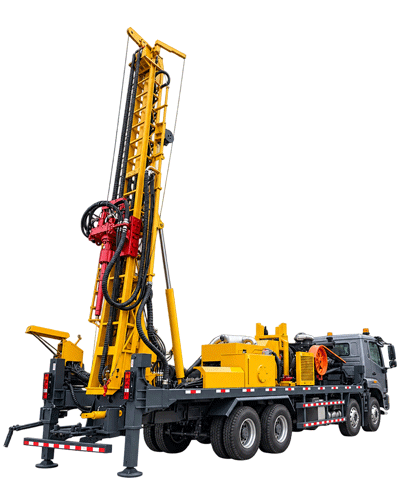
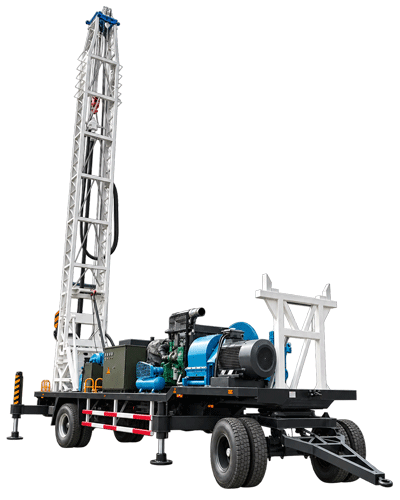
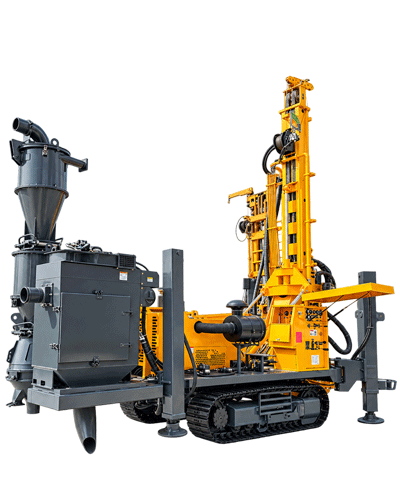
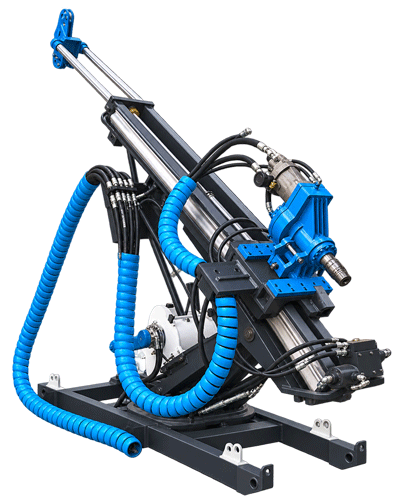
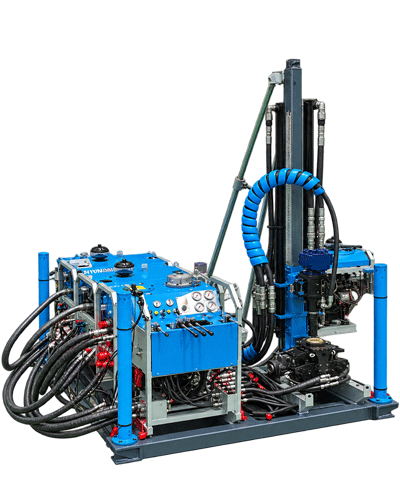
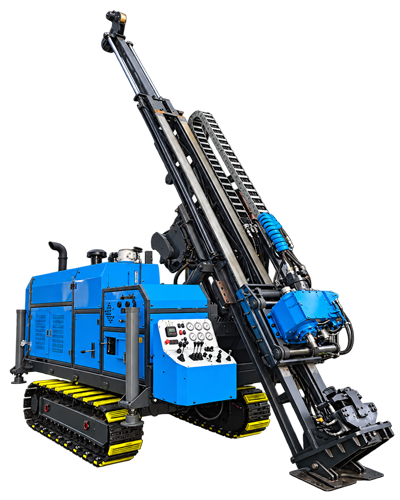
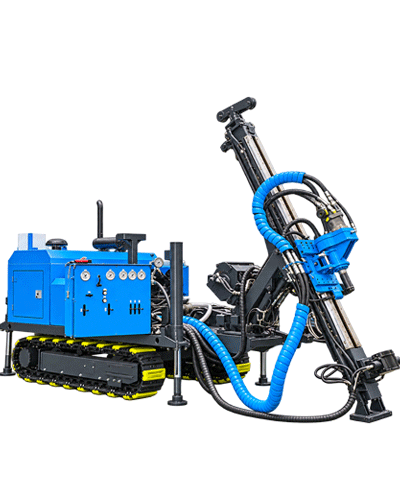
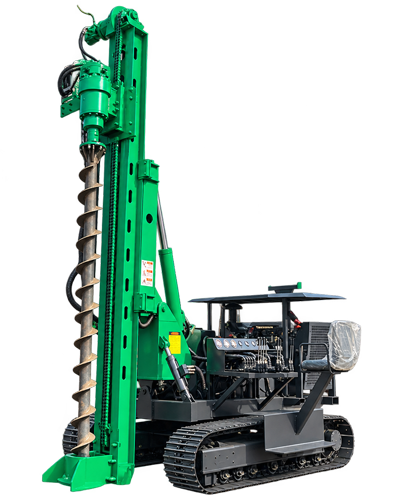
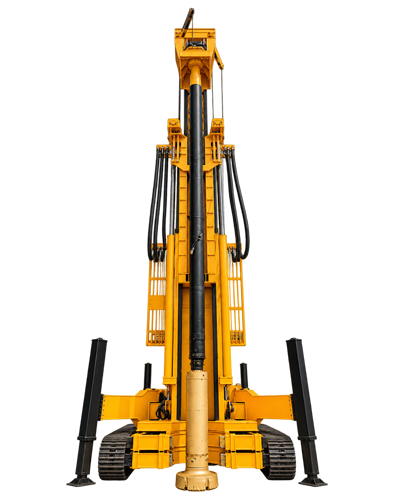
"I need something portable" is one of the most frequently heard phrases in core drill inquiries. But portable means different things for modular and integrated configurations: modular portability typically means the machine is broken down into modules whose individual weight and dimensions are reduced to a level manageable by ordinary transport or manual handling; integrated portability is more about eliminating the need to reassemble systems on site during relocation and setup. If an inquiry only says "portable," manufacturers can hardly tell whether you are dealing with a mountain access road that is too narrow, or frequent hole changes where you do not want to repeatedly disassemble and reassemble.
This article does not compare which type is better, but breaks "portable" into two verifiable metrics: first, individual transport weight; second, the on-site work required to resume operation after reaching the hole. It then maps these metrics to the modular component data of the CR1000P on this site and to the structural characteristics of integrated models such as the CR1000I, explaining under what conditions each holds, which conditions are not covered in the available data, and what needs separate confirmation.
First, clarify: does portable refer to the transport end or the setup end?
From the end of the road to the collar, a core drill generally goes through transport, unloading, setup, assembly, and commissioning. The difference between modular and integrated mainly lies in how the workload is distributed around the "assembly" step.
- Modular: power, control, hydraulic oil, mud, and other systems are separated into independent modules, transported piece by piece through restricted sections, and combined on site. Individual weight drops, but the combining work remains on site.
- Integrated: all systems are integrated at the factory on the whole machine or the same chassis, and the unit is set up in its complete form after entering the site, reducing on-site work such as connecting hydraulic lines and interfacing power, but the overall weight is concentrated, placing more concentrated demands on road width, bearing capacity, and lifting capability.
Therefore, judging whether a machine is "portable" cannot rely solely on whether it is called portable; it depends on which access condition you lack. For holes where mountain roads are narrow, turning radii are small, and bridges have low weight limits, the issue is individual component weight and dimensions; for projects with open sites but frequent hole changes and long disassembly/reassembly time each time, the issue is the number of assembly steps.
Where modular portability lands: module weight and transport method
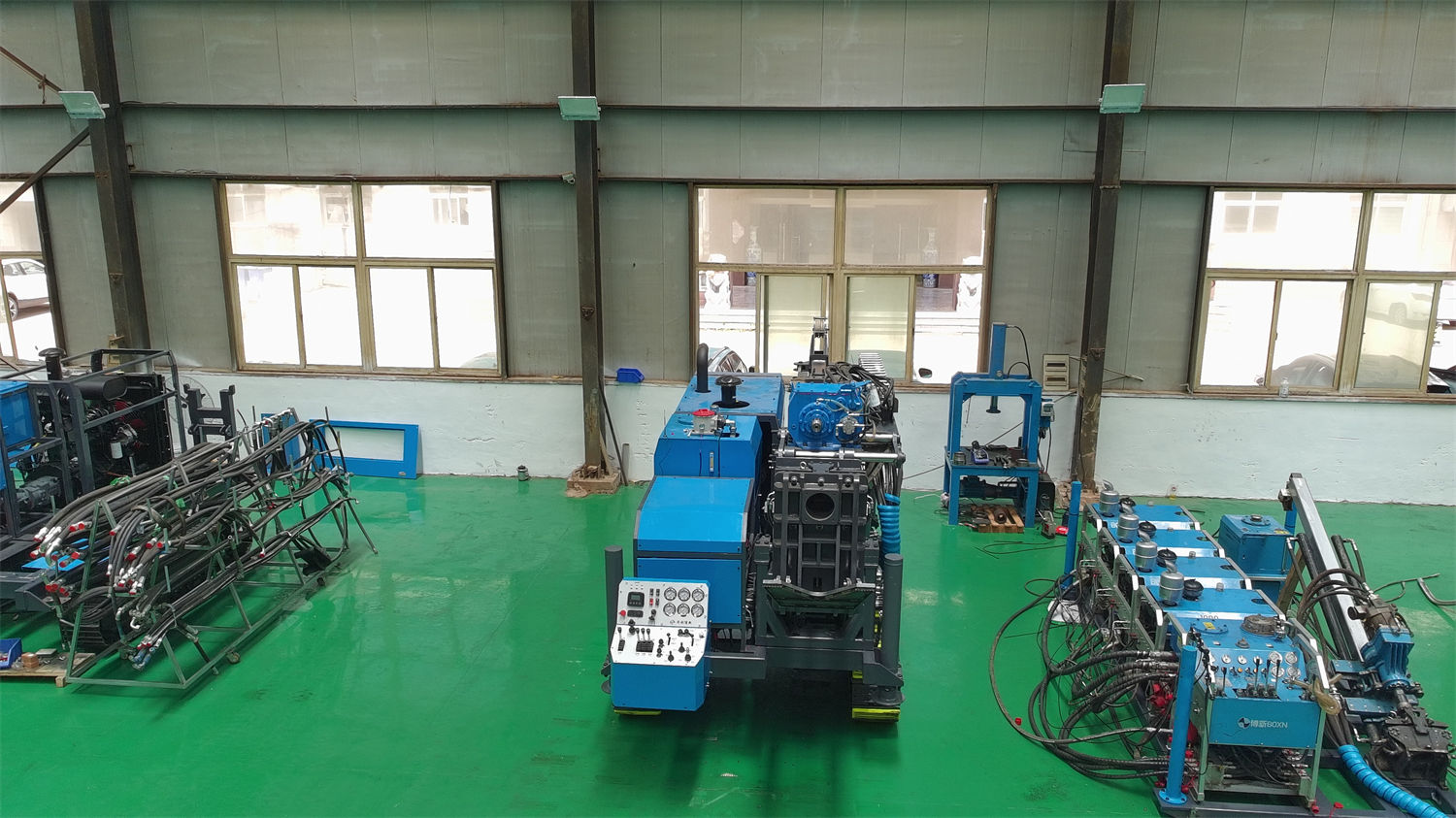
The published data for the CR1000P provides reference weights for each module, which is the most direct set of figures for judging the degree of modular portability.
| Module | Reference weight |
|---|---|
| Power unit | 180–260 kg |
| Control unit | 145 kg |
| Hydraulic oil unit (including oil) | 160 kg |
| Mud unit | 95 kg |
| Total weight | 1640 kg |
These values indicate that the total machine weight is about 1.64 t, but during transport it can pass through road sections module by module, with the heaviest power unit in the 180–260 kg range. For holes without formed roads that require manual or small-machine transfer, this modular breakdown determines whether the equipment can enter the site. But module weight is only half of "whether it can be transported"; the other half is the actual road width, gradient, turns, and bridge/culvert load capacity, which are not in the data and must be confirmed by the project party after on-site survey.
The data also includes a note: before construction, manpower, machinery, or lifting plans should still be arranged according to module weight. This note carries weight—breaking the equipment into modules does not mean the modules can be carried up the mountain at will; the transport method, number of personnel, and whether winches or cableways are needed for each module must be arranged separately according to actual terrain.
Modular does not mean reduced capability: hole parameters of the CR1000P
One easily overlooked point is that the "portability" of a modular structure is not mutually exclusive with deep-hole capability. In the published data for the CR1000P, reference drilling depths are 1150 m for BQ, 1000 m for NQ, and 550 m for HQ; the power head has a maximum torque of 1100 N·m and a maximum speed of 1250 rpm; thrust is 67 kN and pullback is 130 kN; the mud pump has a flow rate of 100 L/min and a pressure of 7 MPa. These values address kilometer-level deep coring tasks, not the capability tier of light shallow-hole drills.
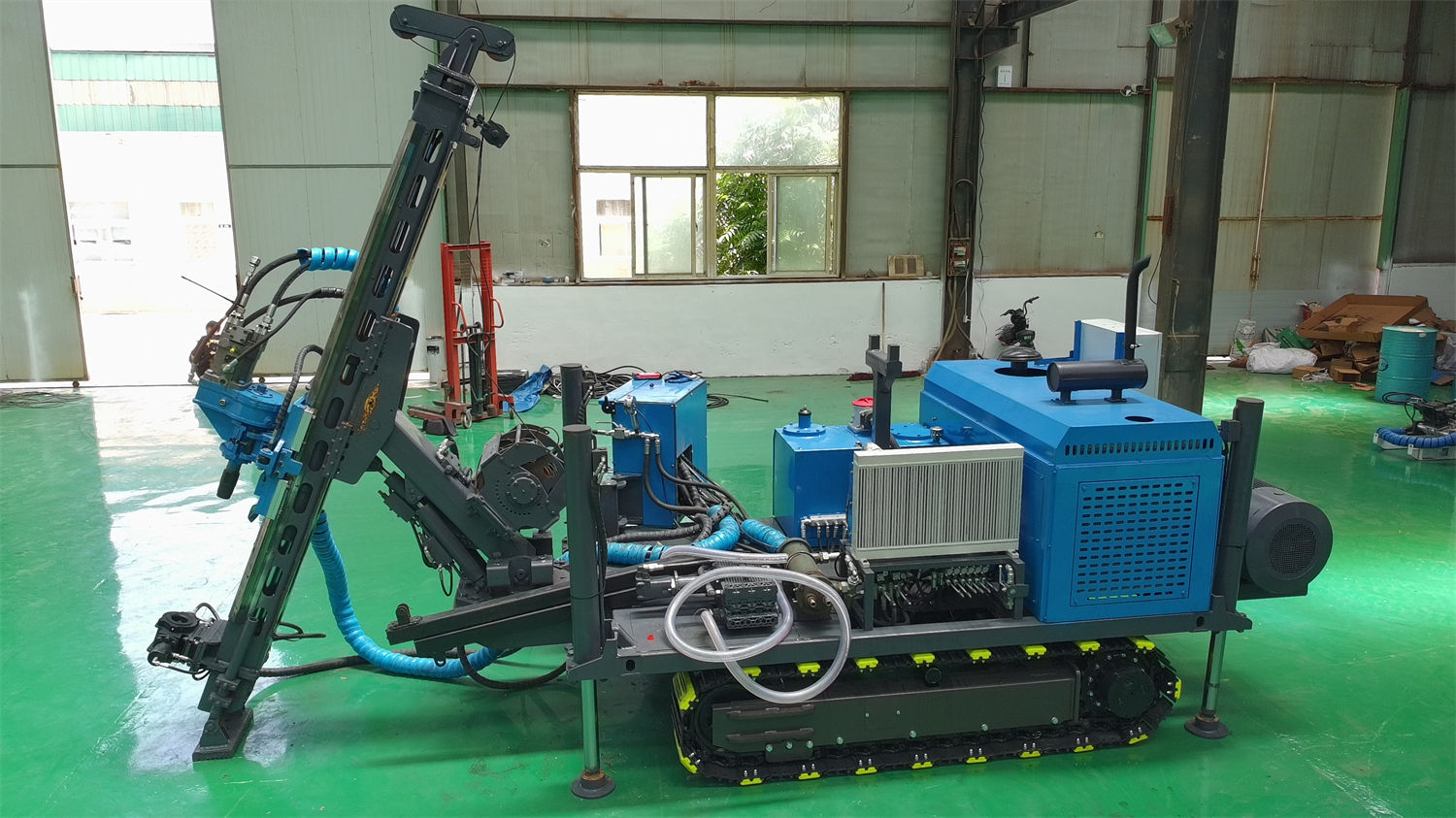
Putting these two sets of information together, the precise meaning of modular portability is: what is sacrificed is on-site assembly time and module management complexity, not hole depth or coring specifications. Conversely, choosing modular presupposes that the project party is willing and able to bear the workload of on-site combination, line connection, commissioning, and subsequent disassembly; if holes are close together and change frequently, this workload will recur and must be calculated separately in construction planning.
Where integrated portability lands: which steps are reduced
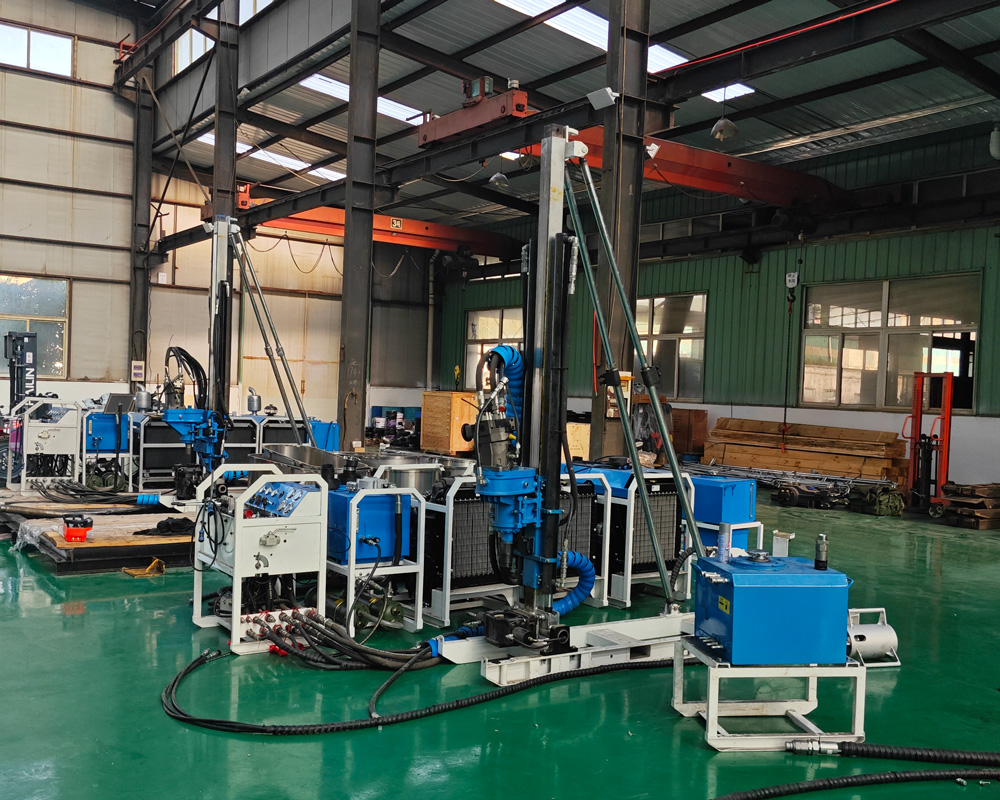
An integrated core drill combines power, hydraulic, control, and other systems together, and its "portability" is usually reflected in relocation and setup: the equipment moves to the hole as a complete machine, without the need to unload and interface each item piece by piece as with modular units. Taking the CR1000I on this site as an example, published data positions it as a 1000-meter integrated core drill with a maximum torque of 1200 N·m and drilling angles of 45°–90°. These parameters show that it also targets kilometer-level coring tasks, with a structural form different from the CR1000P.
But the cost of integrated design is on the transport end: overall weight is concentrated, the access route must accommodate the complete machine, and turning, gradient, and bearing conditions are stricter than for piece-by-piece transport; if the hole is in roadless mountainous terrain and the complete machine cannot reach it directly, the feasibility of road construction, cableways, or segmented transfer must be evaluated separately. These judgments cannot be drawn directly from the word "integrated"; they must be checked against the specific model's overall weight, dimensions, and on-site road conditions.
Two evaluation lines: road conditions and hole-change rhythm
Bringing the above differences together, selection can proceed along two lines.
Line 1: Can the equipment reach the hole?
- Access exists but is narrow, winding, and weight-limited: focus on individual module weight and dimensions; modular split transport is closer to such conditions.
- Access allows the complete machine and the site can bear it: integrated design reduces on-site assembly and enters working status faster after arrival.
- No road at all: whether modular or integrated, the transfer or road construction problem must be solved first; modular reduces the difficulty of handling individual pieces, not the handling itself.
Line 2: How are holes connected?
- Holes are scattered and single-hole cycles are long: the cost of one on-site assembly can be amortized over a longer construction period, making modular transport more meaningful.
- Holes are concentrated and change frequently: disassembly, assembly, and connection recur each time, so the value of integrated design in reducing steps is more obvious.
These two lines are not mutually exclusive scoring items but a sequential relationship: first solve "whether it can get there," then compare "how to work after arrival." If access conditions already block the complete machine, discussing the assembly steps saved by an integrated unit has no basis.
Supporting conditions and items to be confirmed
Whether modular or integrated, the data can answer questions about the equipment's own parameters and module composition, but cannot replace on-site verification. The following items need to be confirmed with manufacturers and on site before inquiry and entry.
- Roads and bearing capacity: narrowest width, gradient, turning radius, bridge/culvert weight limits, and changes in passage during rainy seasons or freeze-thaw periods.
- Lifting and transfer: lifting points for modules or the complete machine, whether lifting equipment can reach the collar, and whether winches or cableways are needed.
- Site area: modular units require space for placing and combining modules, while integrated units require space for complete-machine setup and drill rod placement; the two have different platform size requirements.
- Assembly and commissioning workload: the specific steps and time required for on-site connection of hydraulic lines, power, and mud systems in modular units should be confirmed with the manufacturer and not estimated independently.
- Disassembly and relocation: how modules are disassembled after the project ends, how transport sequence is arranged, and whether it is symmetrical with entry.
- Power and supporting equipment: CR1000P data lists a diesel engine power requirement of ≥132 kW, and a 30 kW×3 electric motor configuration is also possible; the specific choice depends on on-site power supply, fuel replenishment, and maintenance resources, and must be evaluated separately according to project conditions.
"Portable" in core drills is a relative term defined by transport conditions, not a performance that can be compared independently of the site. Modular design disperses weight and leaves assembly on site; integrated design consolidates systems and concentrates access requirements. Clarify your own road conditions and hole-change rhythm first, then look at the module weights or complete-machine form of specific models; only then does the selection basis hold.