












When a diesel engine on a piece of equipment needs to be replaced, the first thing typically compared during procurement is rated power: whatever kilowatts the original engine is rated at, the new engine is selected at the same figure, and it appears to match. But installing a diesel engine back into equipment involves more than just power. Using the publicly available information on this site's Cummins 93kW diesel engine as a reference, this article explains what the condition of "same power" can cover, what it cannot cover, and what interface and supporting information should be verified before replacement.
What level of matching does the same power rating indicate?
The rated power of 93 kW is the power calibration value given for this engine in the information. The questions it can answer are limited: the equipment's power demand roughly falls within this range. What it cannot answer is whether the machine's dimensions can fit into the original engine bay, whether the flywheel housing and output end can connect to the drivetrain components, whether the cooling system can dissipate the heat it generates, and whether the control system can recognize and drive it.
In other words, the same power rating only provides a preliminary answer to the question of "is there enough power"; the remaining questions are still open.
Which features of this engine affect replacement decisions according to the information?
The Cummins 93kW diesel engine uses turbocharging with air-to-air intercooling, a 4-valve structure, a long-stroke design, and features articulated pistons with forced cooling and a reinforced cylinder block. These features are described in the information as design orientations toward power output, low-speed torque, fuel economy, and operational stability. In a replacement scenario, they correspond to several matching points that require attention.
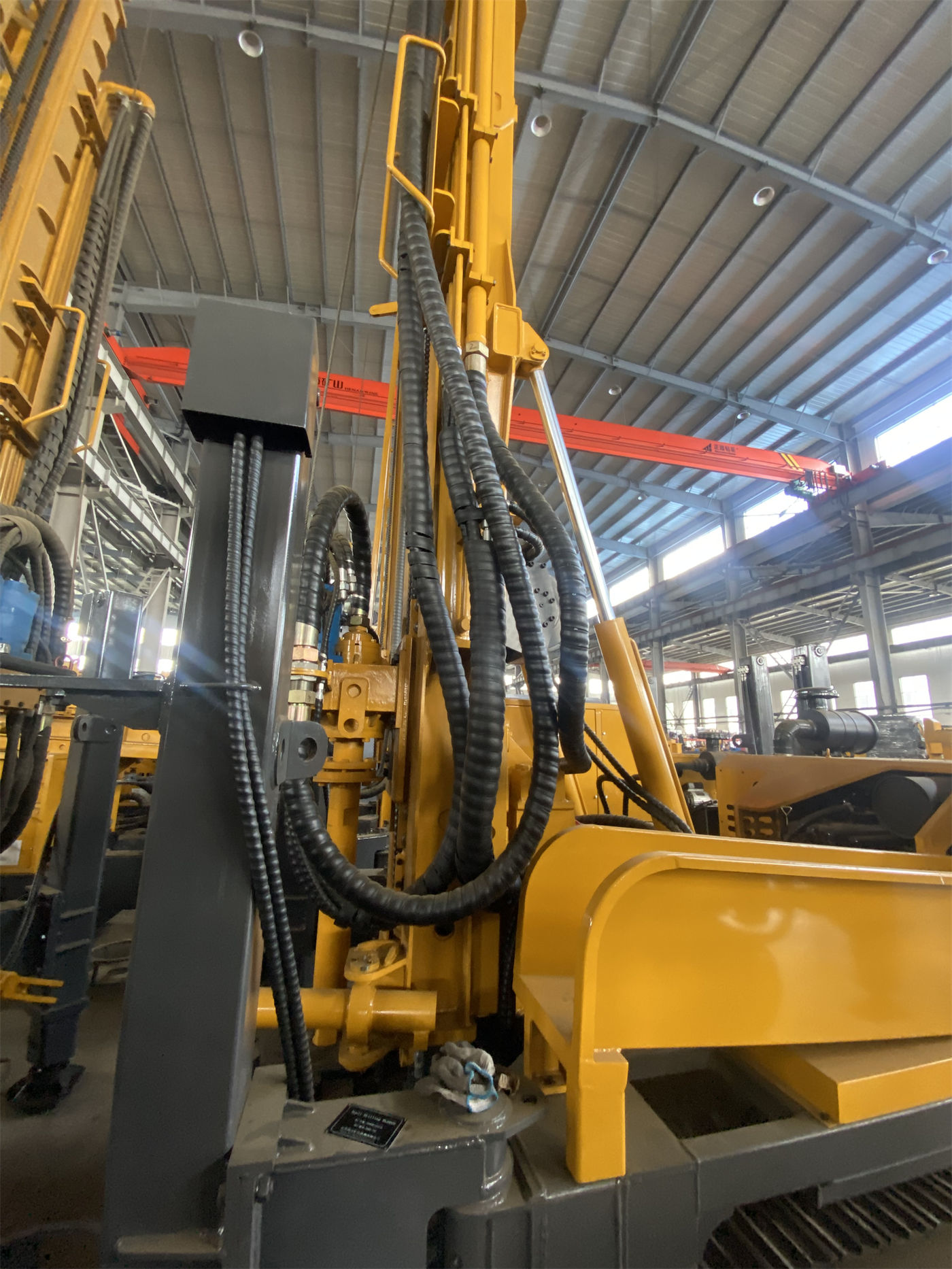
Air-to-air intercooling means the cooling system is more than just a set of radiators
Air-to-air intercooling relies on heat exchange between charge air and ambient air, meaning the overall cooling circuit includes not only the engine water jacket but also the charge air path. When replacing, if only rated power is verified, it is easy to overlook whether the original equipment's cooling arrangement is configured for air-to-air intercooling. Insufficient cooling capacity directly affects engine performance under high load, and the information also notes this: cooling conditions of different equipment can affect actual engine performance and service life.
Turbocharging and long stroke affect torque characteristics
The information describes the long stroke and 4-valve structure as conducive to improving effective power output and low-speed torque performance. For replacement, this means that even with the same rated power, engines with different design orientations may have different torque output in the low-speed range. The equipment's original drivetrain matching and load curves during operation need to be considered together with the replacement engine's torque characteristics, and it cannot be assumed that they are interchangeable based solely on comparable power figures.
Articulated pistons and reinforced cylinder block point to load adaptability
The information mentions that articulated pistons with forced cooling can withstand higher mechanical and thermal loads, and that the reinforced cylinder block helps reduce operating noise and vibration. These are the engine's own design features; in replacement, they indicate whether the original equipment's vibration isolation arrangement and engine mount connection method need to be verified as well. The information does not provide the installation dimensions and interface specifications of this engine, so it cannot be used to judge whether it can be directly installed into a specific piece of equipment.
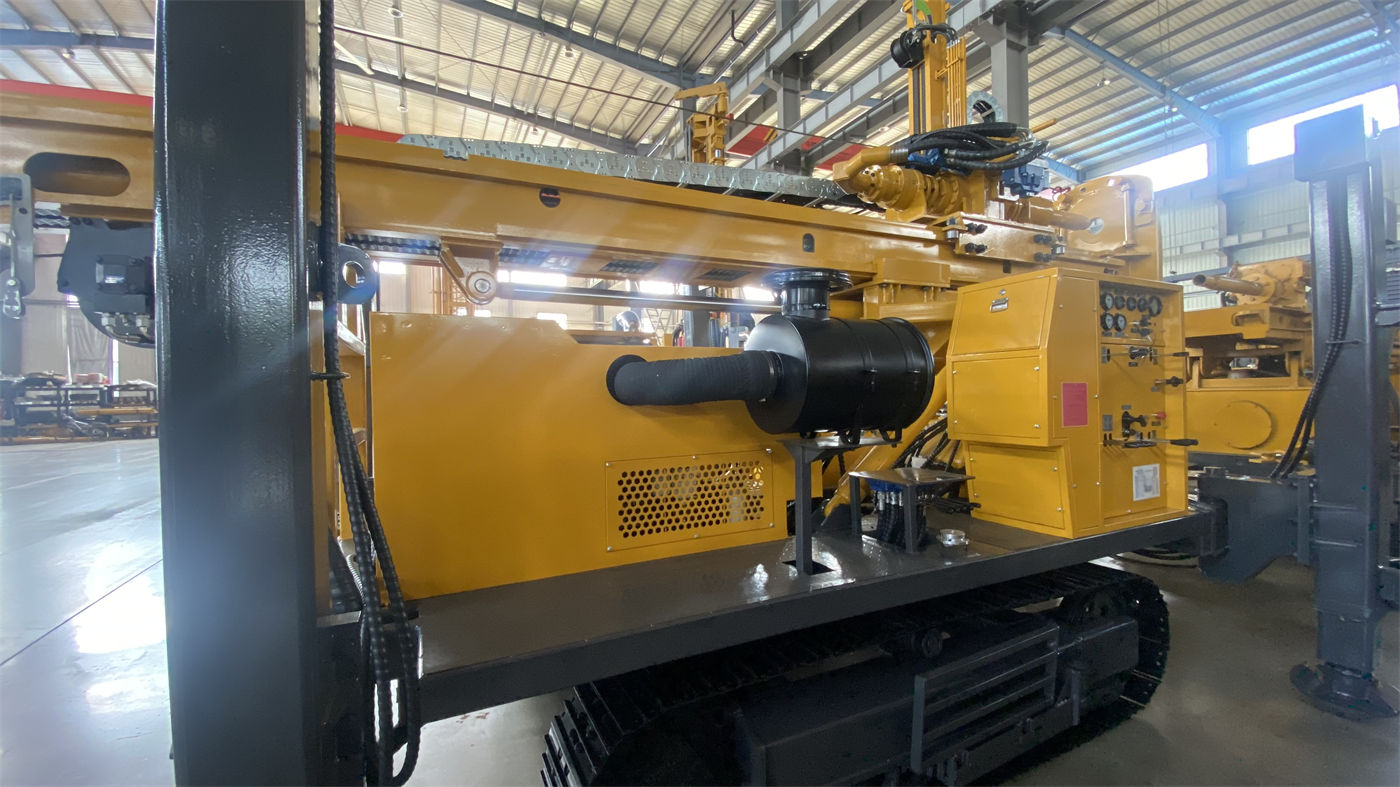
Information that must be confirmed item by item before replacement
The selection notes in this site's information explicitly state: if used to replace an original engine, the original engine model, installation interface, and related accessory configuration should be verified. Combined with the matching conditions listed in the information, the items to be confirmed can be grouped into several categories.
| Verification item | Why it needs to be confirmed |
|---|---|
| Original engine model and rated power | Confirm whether the replacement target's power rating is on the same basis as the 93 kW in the information |
| Installation space and engine mount connections | The information does not provide external dimensions; formal technical documentation is needed to confirm whether it can fit into the original engine bay |
| Output end and drivetrain connection method | Whether interfaces such as the flywheel and coupling match the original equipment's drivetrain components |
| Cooling system configuration | Air-to-air intercooling has corresponding requirements for the cooling circuit; the original equipment's cooling arrangement needs to be verified |
| Control system and accessories | The information notes that related accessory configuration should be verified; control interfaces need separate confirmation |
This table is not a replacement procedure but rather an illustration of what issues remain open beyond "same power." Among them, installation dimensions, output end specifications, control interfaces, and similar items are not given specific values in the information provided here and must be obtained from the manufacturer or through formal technical confirmation.
When is same power closer to being replaceable?
If the original engine and the replacement engine not only have the same rated power but also have installation interfaces, cooling methods, drivetrain connections, and control configurations that have been verified item by item and confirmed to be consistent, then "same power" may serve as one of the conditions for a valid replacement. Conversely, if any of the above items differ, concluding based solely on same power is insufficient.
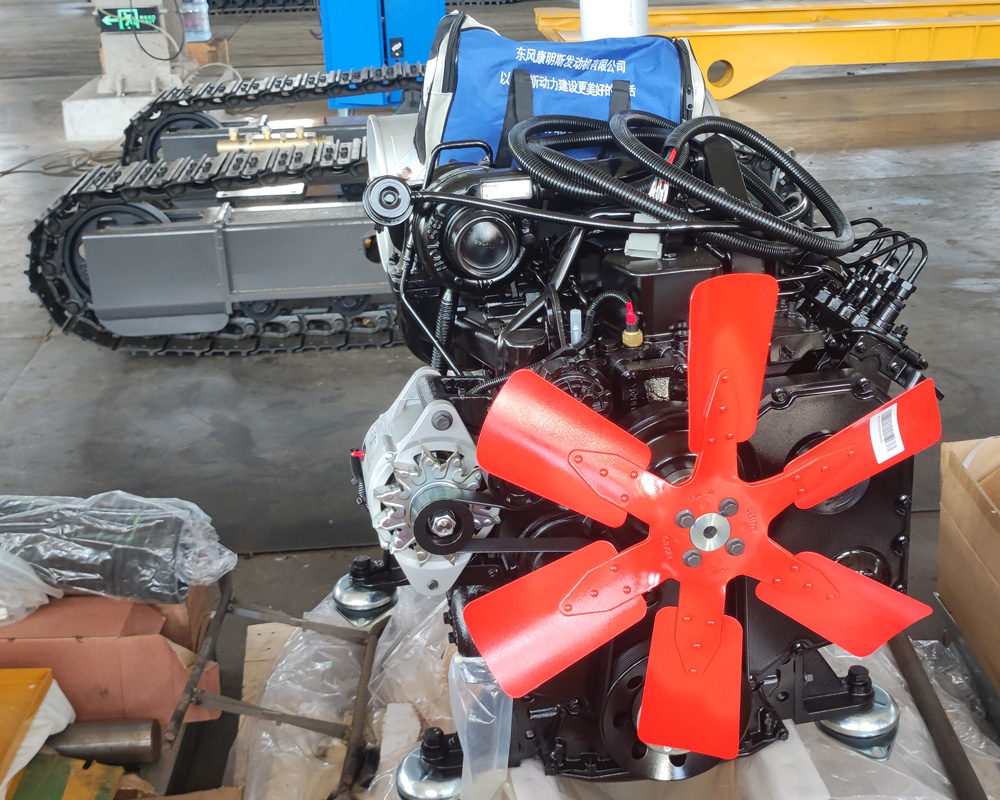
It should be noted that the information does not provide any replacement cases, on-site matching results, or actual operating data, so this article does not make judgments about whether a specific piece of equipment can be replaced. Actual matching should be based on on-site equipment conditions and formal technical confirmation results.
Matters that also need to be confirmed with the manufacturer
- The engine's external dimensions, mounting hole positions, and engine mount type;
- Flywheel housing specifications and output end connection dimensions;
- Radiator and piping interface requirements for air-to-air intercooling;
- Control system interface type and whether a matching wiring harness is required;
- Whether differences in low-speed torque characteristics between the original and replacement engines affect equipment operation.
These items are not supported by specific values in the existing information and should be raised with the supplier and confirmed in writing during the selection stage. Clarifying these questions before purchase is far more proactive than discovering after the equipment is shut down that it cannot be installed.