












When the original diesel engine of equipment is damaged or needs replacement, the most common judgment is: if the new engine's rated power is the same as the original, it can be installed and used. For construction machinery, this judgment only completes the first step. Matching power solves the question of "whether there is enough power," but whether replacement is possible also depends on whether the installation dimensions match, whether the cooling system can dissipate heat, whether the intake/exhaust and drivetrain interfaces are consistent, and whether the control system can recognize and drive the new engine. Based on public information about the Cummins 93kW diesel engine, this article breaks down these conditions.
First confirm which checks replacement must pass
Installing a diesel engine back into equipment actually involves four lines: mechanical installation, cooling and intake/exhaust, power output and drivetrain, and electrical and control. If any one does not match, it may cause rework or even prevent startup. Same power only indicates that rated output is close; it cannot replace the verification of each of these four lines.
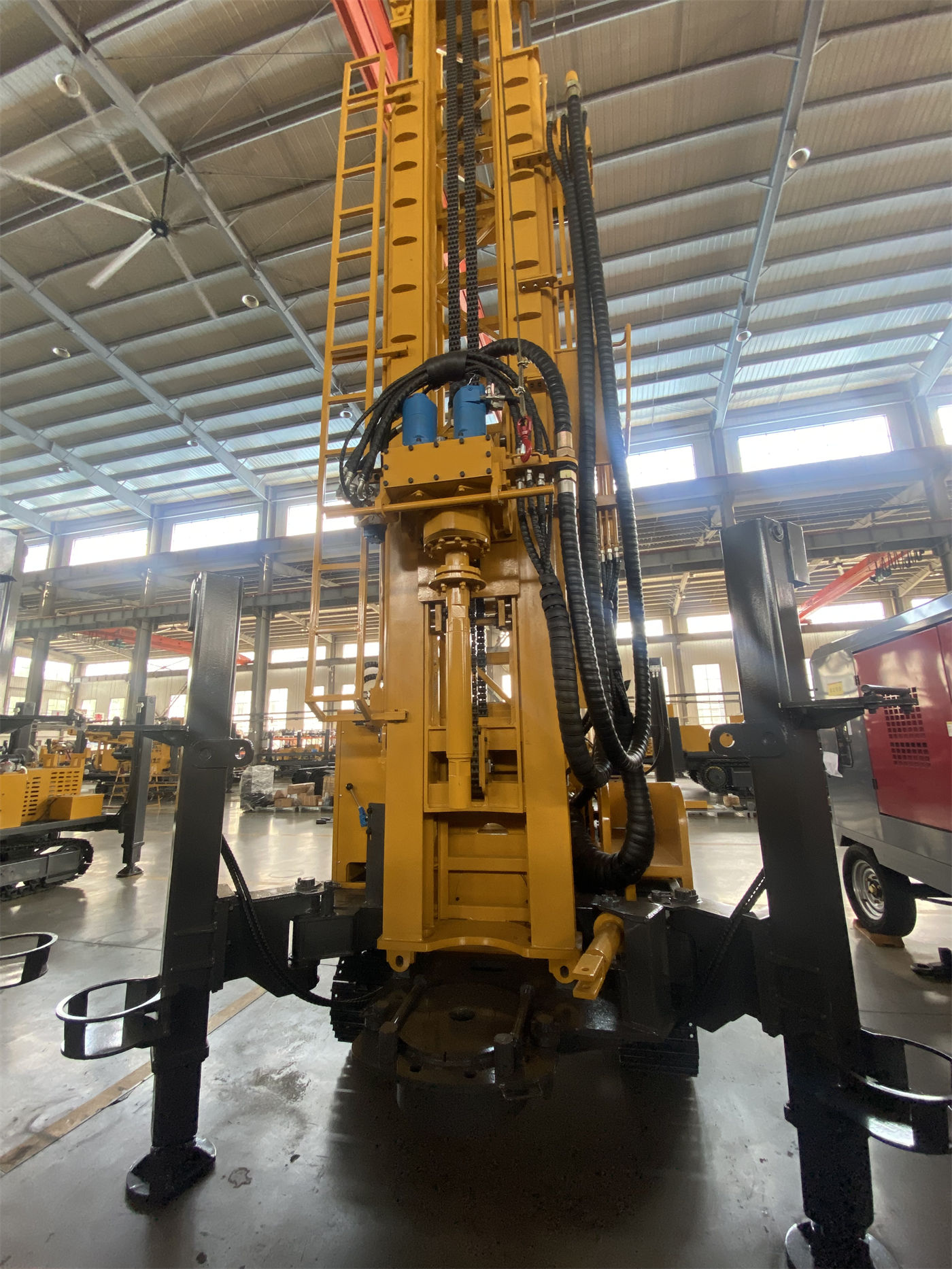
Mechanical installation: dimensions and interfaces take priority over power
The selection guidance provided for this engine is clear: before ordering, it is recommended to confirm the equipment model, required engine power, installation space, connection method, cooling requirements, and control system configuration; if used to replace an original engine, the original model, installation interfaces, and related accessory configuration should also be checked. This means replacement judgment must start from the original engine's information, first aligning interface conditions such as installation space, mounting feet, flywheel housing, and intake/exhaust port positions, and only then discussing whether power is suitable.
Cooling and intake/exhaust: 93kW output must be achieved through matched systems
This engine uses turbocharging and air-to-air intercooling, a 4-valve structure, and a long-stroke design; the materials emphasize low-speed torque and fuel economy. Air-to-air intercooling means the intercooler is part of the overall cooling and intake layout. During replacement, it is necessary to check whether the original intercooler and radiator layout can correspond to the new engine's intake and cooling requirements. The materials also note that cooling conditions affect actual engine performance and service life, so the cooling system cannot be handled as "close enough."
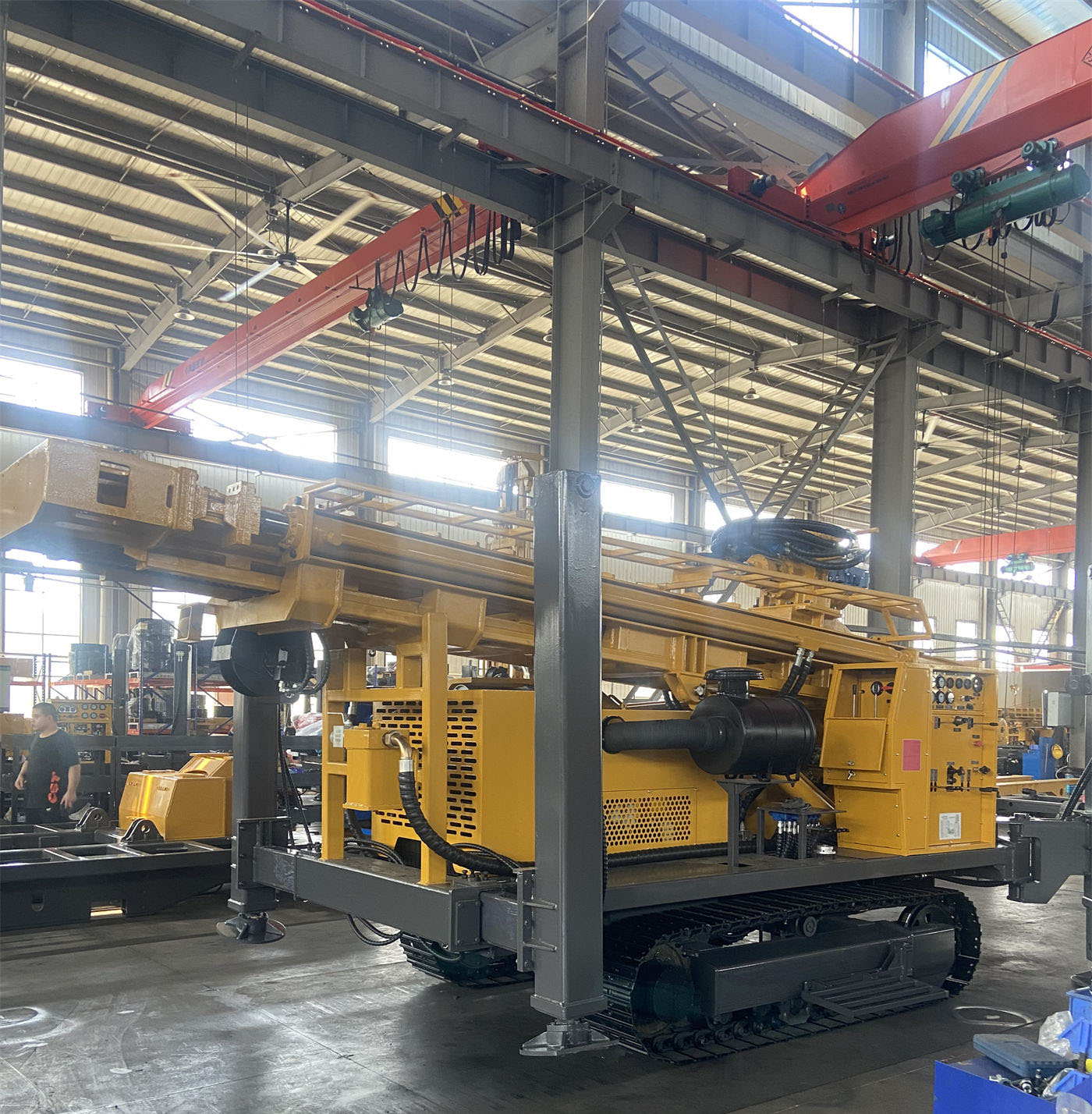
Power output and control system: the part that is easily underestimated
Drivetrain method (such as flywheel, coupling, or hydraulic pump interface) and control system configuration are both included in the checklist recommended by the materials. Diesel engines in construction machinery are often linked to the machine's control, monitoring, and protection logic. After replacement, whether the new engine's signals can communicate with the machine is a condition that must be implemented, not something to test only after installation.
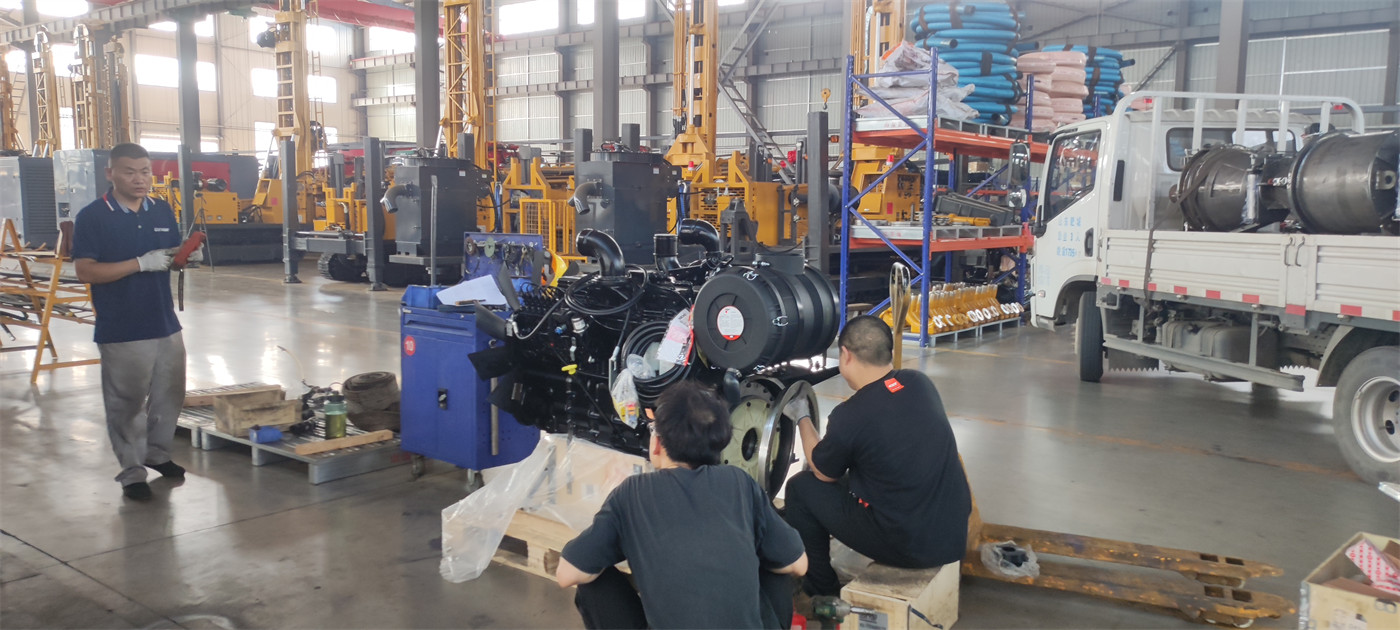
How far the materials can support
| Check item | Basis in materials | Boundary of conclusion |
|---|---|---|
| Rated power | 93 kW | Only indicates the level of rated output; does not prove replaceability |
| Installation dimensions and interfaces | Selection guidance requires checking installation space and connection method | Must compare measured data of the original and new engines |
| Cooling requirements | Air-to-air intercooling; cooling conditions affect performance and service life | Must check the machine's heat dissipation and intercooler layout |
| Control system | Selection guidance requires confirming control system configuration | Materials do not provide specific protocols or interfaces |
Applicable boundaries and matters to be confirmed
- The materials do not provide the engine's external dimensions, mounting foot positions, or flywheel housing specifications; before replacement, installation drawing comparisons between the original and target engines must be obtained.
- The materials do not state which equipment brands or models this engine is suitable for, and it cannot be inferred from them that it can be used for a specific piece of equipment.
- Emissions and regulatory adaptation, and whether machine certification is affected, are not covered by the materials and must be confirmed separately.
- Actual matching should be based on formal technical confirmation from the equipment manufacturer and engine supplier; this article does not constitute a replacement operation conclusion.
Whether a diesel engine of the same power can replace the original engine is not answered by the power line alone, but by whether the conditions of installation, cooling, intake/exhaust, drivetrain, and control can all match at the same time. Putting the verification sequence before the purchasing action is safer than first buying a machine with "the same power."