












In mineral exploration, the sampling plan is usually not determined by the rig first, but by "what kind of sample is needed." When continuous, complete cores are required to observe stratigraphic sequences and structural relationships, core drilling is the main line; when rapid establishment of numerous cuttings control points over a relatively large depth range is needed, with lithology and mineralization changes judged at fixed advance intervals, reverse circulation drilling is more suitable. The division of labor between the two configuration approaches lies in sample form and information use.
First Distinguish Two Types of Sampling Objectives
Core drilling retrieves continuous columnar cores, allowing direct observation of lithological contact boundaries, mineralization occurrences, and structural details, with high information density, but single-hole progress is slow and costs are high. Reverse circulation drilling retrieves cuttings samples, collected in segments by depth interval, suitable for extensive hole placement and rapid anomaly tracing, but it cannot replace cores for judging sequences and occurrences.
The RC600 documentation explicitly states that it "primarily obtains cuttings samples, rather than continuous complete cores." This statement itself defines the applicable boundary: it addresses the efficiency and depth coverage of cuttings sampling, not core quality. If a project's acceptance criteria are based on continuous cores, core drilling rigs should be prioritized; if the sampling objective is cuttings samples, then reverse circulation equipment has room for discussion.
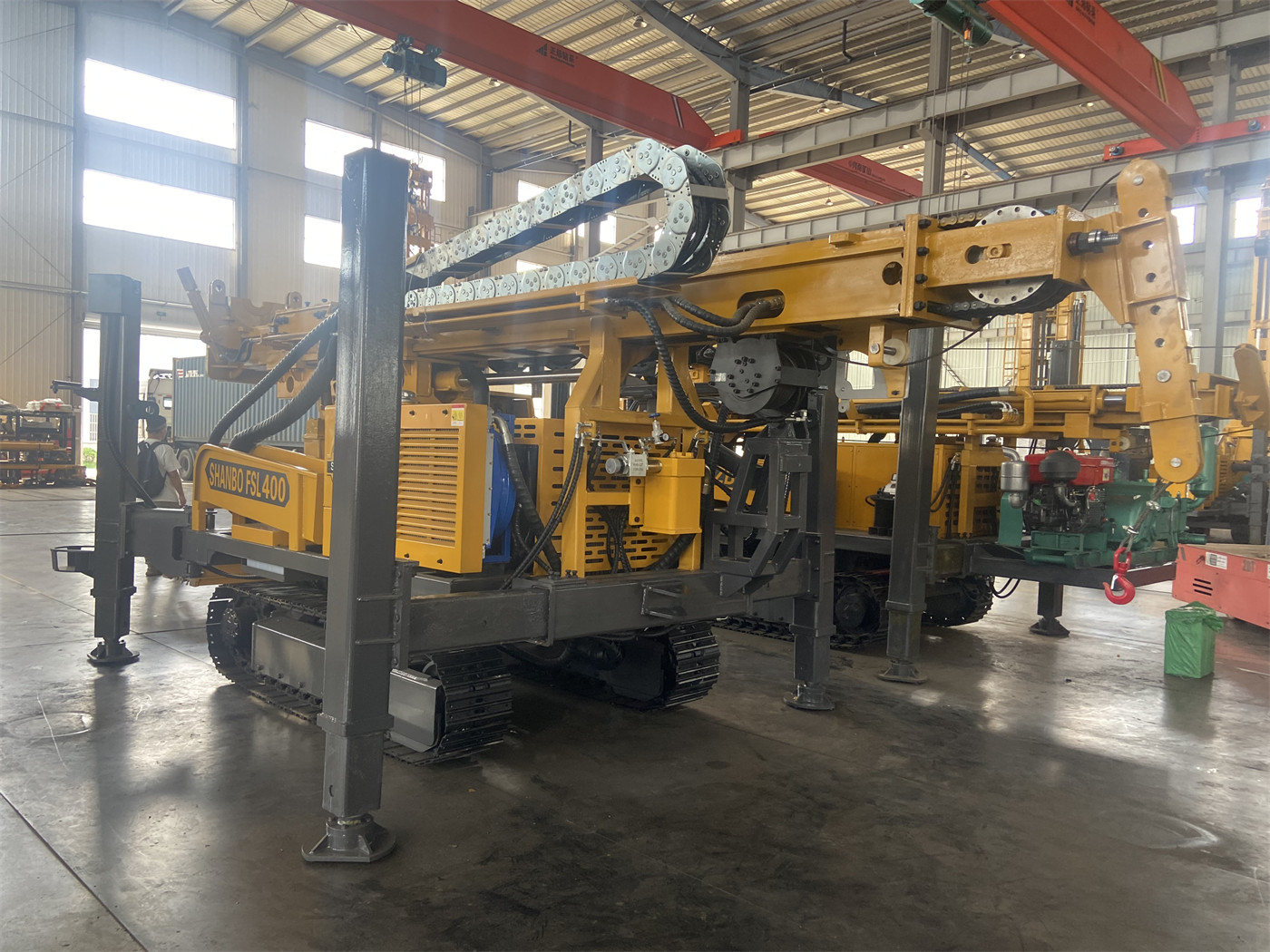
What Type of Sampling Task Does the RC600 Correspond To
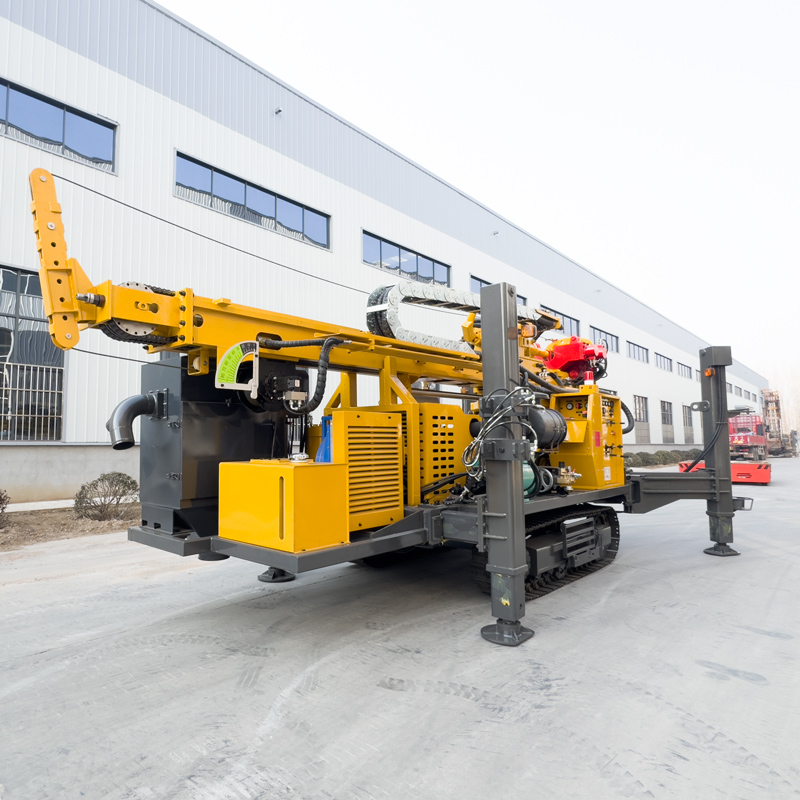
The RC600 is a 600-meter-class crawler-mounted reverse circulation rig, with a maximum drilling depth of 600 m, hole diameter of 105–450 mm, equipped with a 132 kW Cummins engine, 29 T lifting force, and 12000/6000 N·m dual-condition rotary torque. These parameters serve several specific aspects of medium-to-deep hole cuttings sampling:
- Deep tracing: The 600 m drilling depth covers the need to continue tracing mineralization, structures, and lithological changes to depth after shallow anomaly confirmation, suitable for orebody down-dip investigation, peripheral anomaly verification, and mine extension investigation.
- Inner tube sample return: Compressed air travels down the outer channel of dual-wall drill pipes, driving the down-the-hole RC hammer and bit, after which cuttings return to the surface through the inner channel. The concentrated sample return path facilitates depth-segmented sampling and reduces contact between samples and different sections of the borehole wall.
- Drill string handling: The 29 T lifting force corresponds to the need for tripping 600-meter-class dual-wall drill pipes as their own weight and borehole wall friction increase; when lifting resistance is abnormal, the documentation suggests prioritizing hole cleaning and in-hole condition assessment, and does not recommend directly using maximum lifting force to pull forcefully.
- Dual-condition torque: 12000/6000 N·m correspond to 75/150 r/min respectively; low-speed high-torque is suitable for large-diameter, hard rock, and high-load hole sections, while the high-speed gear is suitable for stable formations with lower resistance. RC drilling requires simultaneous attention to rotation, percussion, and sample return conditions.
Division Between Sample Information Content and Sampling Speed
The advantage of reverse circulation drilling is not that samples are "more complete" than cores, but rather the continuity and rhythm of sampling. The RC600 documentation mentions that the RC method can return samples synchronously during drilling, making it convenient for on-site geologists to record lithology, alteration, and mineralization changes at fixed advance intervals, and then send representative samples to the laboratory for assay. For projects requiring rapid establishment of numerous drill hole control points, this sampling rhythm can be organized in parallel with drilling progress.
However, sample quality also depends on sampling management. The documentation emphasizes that samples should be collected on site at fixed advance intervals, recording hole number, sample number, start and end depths, and anomalous conditions; for mineral samples sent to the laboratory for analysis, duplicate samples, standard samples, and blank samples should also be set up according to the project's quality control system. The rig is responsible for obtaining samples; final data quality is not determined by the equipment alone.
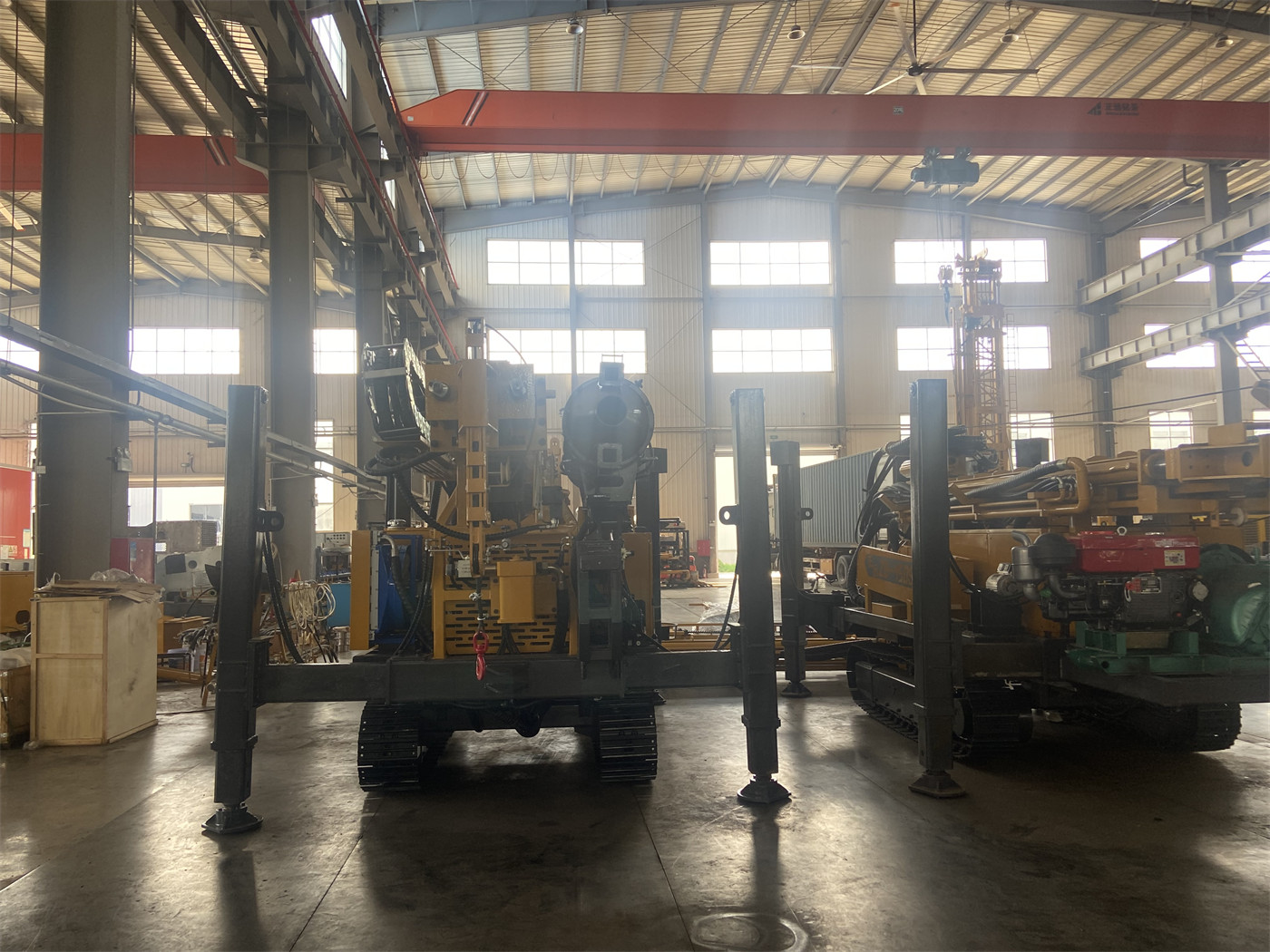
Supporting Conditions Determine Whether This Plan Can Be Implemented
Reverse circulation drilling is not a standalone operation. The RC600 documentation lists working air pressure of 1.6–6 MPa and air consumption of 16–75 m³/min. As hole depth, hole diameter, altitude, and rock hardness increase, the required effective air volume typically also increases. This means the air compressor's pressure and displacement must be matched with the rig, hole depth, and hole diameter together, and one cannot look only at the rig's drilling depth figure.
The site also requires sample return hoses, sampling devices, and a sample area. The complete machine weighs approximately 12.5 T, with dimensions of approximately 7×2.1×2.9 m; adding the air compressor and sampling system, the drill pad size must be planned in advance to ensure safe distances and operating access between equipment. Crawler travel speed is approximately 3.5 km/h, with a maximum gradeability reference of 21°, suitable for gravel roads in mining areas and field exploration platforms, but road load-bearing capacity and site stability must still be confirmed before relocation.
Under What Circumstances This Configuration Is Worth Including in Comparison
Based on the documentation, reverse circulation equipment is more suitable for projects where the following conditions are simultaneously met: the sampling objective is primarily cuttings samples, requiring rapid establishment of control points within medium-to-deep hole ranges; hole locations have access conditions for crawler equipment and air compressors; the site has management capability for sample segmentation, numbering, and submission; and the project has no hard requirement for the geological information from continuous cores, or has already planned separate core holes to verify key anomalies.
Conversely, if project acceptance requires continuous cores and needs observation of mineralization occurrences and structural details, the information content of reverse circulation cuttings samples is insufficient to replace coring. In this case, the two configuration approaches are not about one replacing the other, but about division of labor by sampling objective: RC holes are responsible for rapid coverage and tracing, while core holes are responsible for detailed verification of key sections.
Matters Still to Be Confirmed
The 600 m drilling depth in the RC600 documentation is a reference capability under typical configuration; actual drilling depth will be affected by hole diameter, drill pipes, air compressor, rock formation, hole deviation, and drilling tool wear. Before project startup, the specific pressure and displacement combination of the supporting air compressor should be verified with the manufacturer based on target hole depth, hole diameter, and formation conditions, and it should be confirmed whether the on-site sample return channel, sample area, and transport roads meet the layout requirements for the complete machine plus supporting equipment. The equipment supports 45° and 90° working angles; inclined hole layout should also be confirmed in conjunction with orebody occurrence and exploration design, and applicability should not be judged solely by angle parameters.