












When comparing 450m-class and 400m-class water well drilling rigs, the most common approach is to simply compare the two nominal drilling depths: 450 m is 50 m more than 400 m, and from this conclude that the former "drills deeper." This conclusion is not wrong in itself, but it cannot answer the most common question in actual selection—for the same well, will the two machines produce different results in terms of rod connection frequency, downhole resistance, hole diameter, and relocation arrangements? Using the published specifications of the WR450SE as a sample, this article breaks down several sets of values beyond nominal drilling depth layer by layer.
First, confirm one thing: drilling depth is an upper limit description
The maximum drilling depth in the WR450SE specifications is 450 m, with a drilling diameter of 105–400 mm. These two values appear side by side, indicating that they are not independent indicators but the same set of constraints: when the hole diameter approaches the upper limit of the range, whether 450 m can still be reached depends on the formation, drilling tools, and well completion structure. The specifications do not state that "450 m can be achieved at any hole diameter," so treating the maximum drilling depth as the default construction depth is not appropriate.
When comparing with 400m-class models, the first question that needs clarification is not "is 50 m more worth it," but rather what hole diameter this 50 m corresponds to as a margin. If the project design depth is concentrated at 300–380 m and the hole diameter is in the medium range, then the difference in nominal drilling depth grades may not be a decisive factor; conversely, if the local aquifer distribution is unstable and the well depth needs to be adjusted on site based on water finding results, the significance of the drilling depth margin will become apparent. This point goes beyond the specifications and needs to be judged in conjunction with the project's own hydrogeological conditions.
Drill pipe length changes the frequency of rod connections
The WR450SE supports 6 m drill pipes, with recommended drill pipe diameters of 89 / 102 mm. Drill pipe length is not used as a capability indicator, but it directly affects the number of rod connections and disconnections in medium-to-deep hole construction. The greater the hole depth, the higher the proportion of auxiliary time spent on connecting and disconnecting drill pipes; compared with shorter drill pipes, 6 m pipes can reduce the number of connections at the same hole depth.
The relationship between this point and drilling depth grades is: when the nominal drilling depths of two machines differ by 50 m, if the drill pipe lengths are different, the difference in actual construction rhythm will be amplified in projects with multiple consecutive wells. The specifications do not provide data on the rod connection time of the WR450SE under specific formations, so here we can only point out the directional conclusion of "reducing connection frequency" and cannot convert it into work hours or efficiency values.
Lifting force and hole depth are tied together
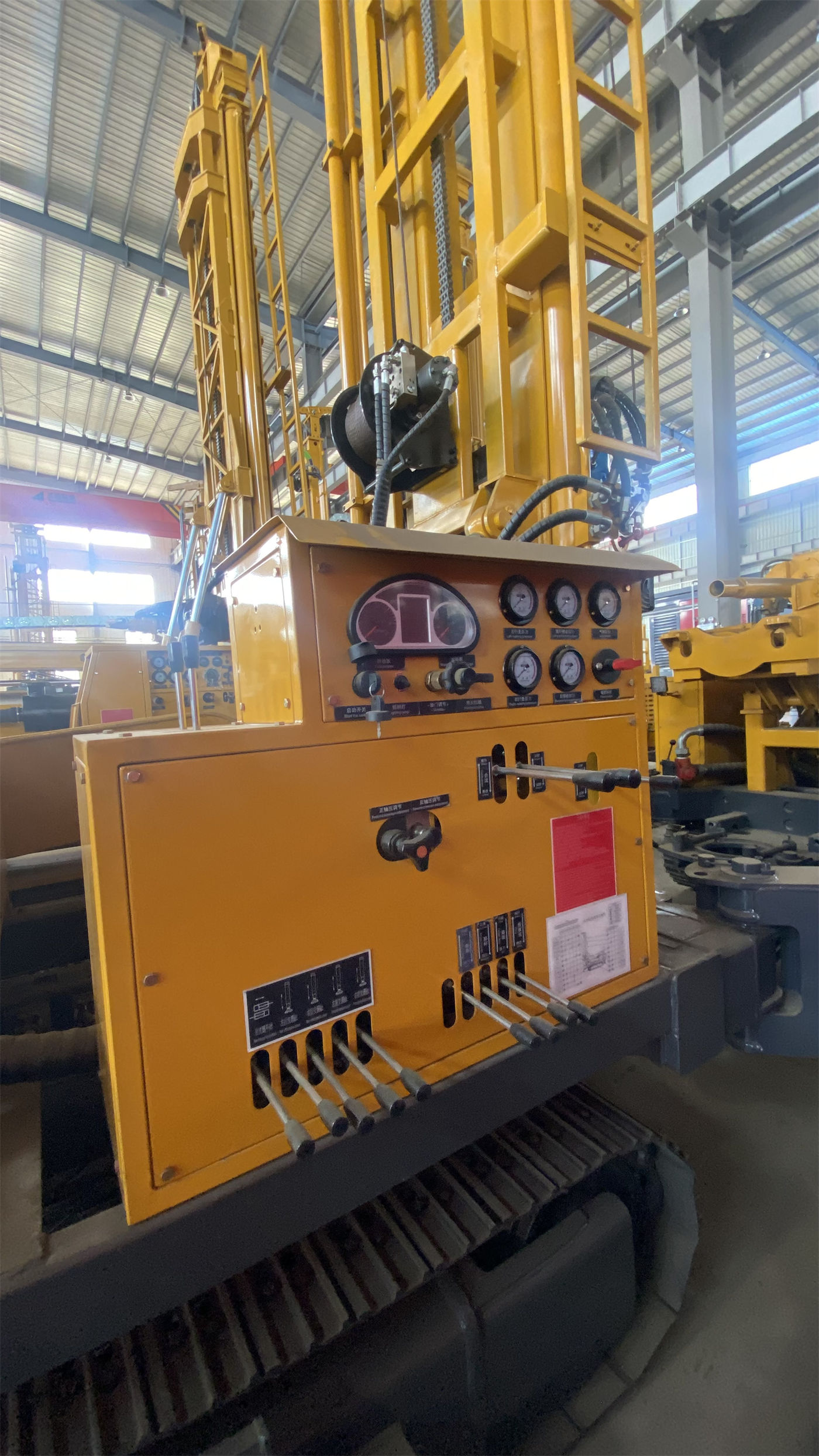
The lifting force of the WR450SE is 20 T. In deep hole sections, the main purpose of lifting force is not drilling, but drill pipe tripping, DTH hammer recovery, and some casing operations. The deeper the hole, the greater the self-weight of the drill pipe and the friction of the hole wall; when abnormal tripping resistance occurs, one should first judge the hole wall, cuttings removal, and drilling tool status, then consider measures such as hole cleaning, slow lifting, or casing.
The boundary of the specifications on this item is clear: the 20 T lifting force is described as meeting the tripping needs of conventional drill pipes for 450m-class operations, and no calculation method for safety margin under different drilling tool combinations is given. Therefore, when comparing 400m-class and 450m-class equipment, if their lifting force configurations differ, the total weight of drilling tools and downhole friction should be listed separately for verification, rather than directly inferring from the drilling depth grade.
The two rotary torque settings correspond to different hole sections
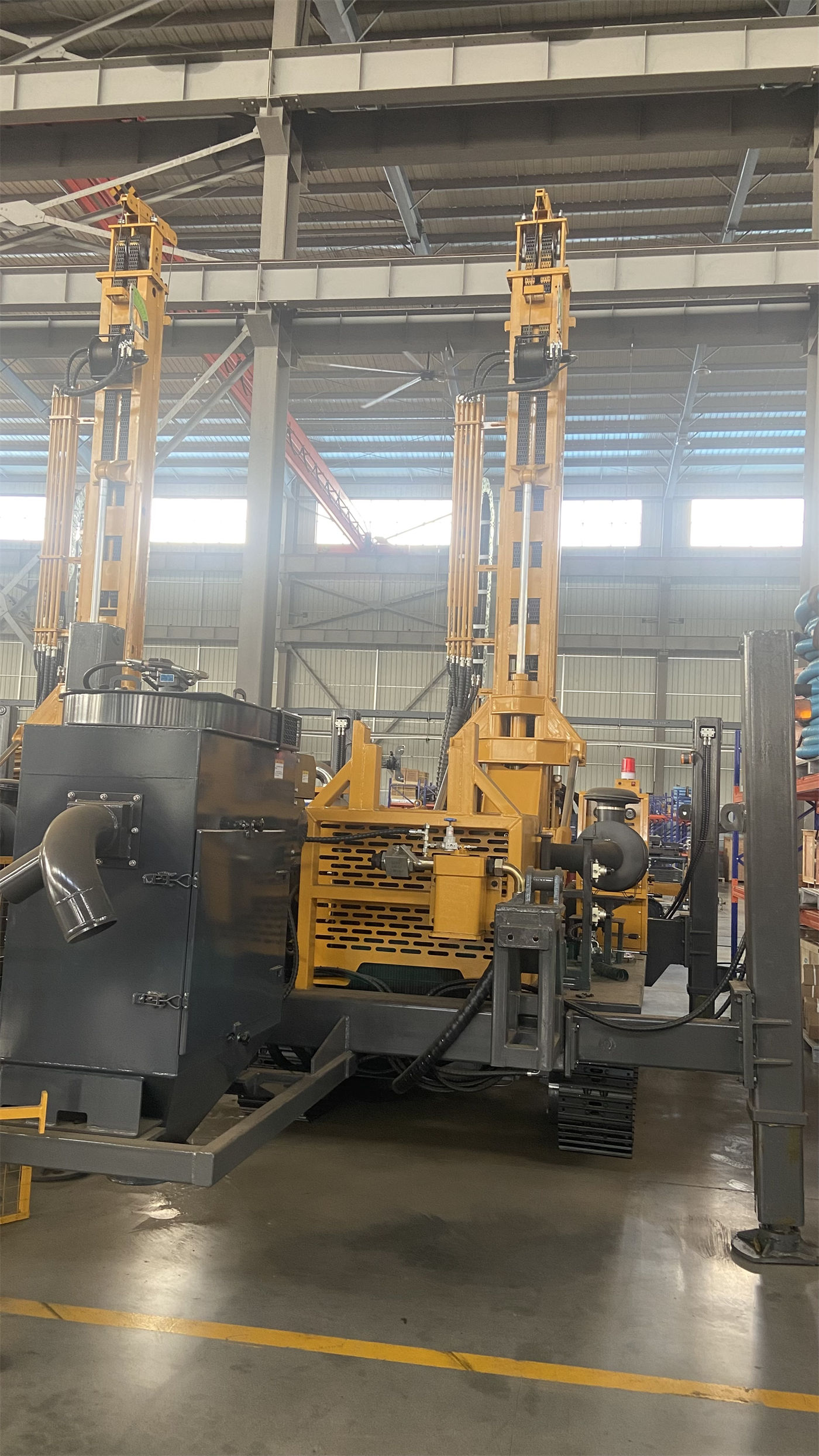
The maximum rotary torque of the WR450SE is 9000 / 4500 N·m, corresponding to maximum rotary speeds of 90 / 180 r/min. The low-speed high-torque state is closer to large-diameter, hard rock, or high-resistance hole sections, while the high-speed state is suitable for drilling stages with relatively lower resistance. The significance of dual modes is that the same machine can cover two operational tendencies, rather than the two numbers being arbitrarily interchangeable.
In the comparison between 450m and 400m classes, the torque value itself is not the basis for judgment; it needs to be considered in conjunction with the hole diameter range and rock type. The specifications do not provide the correspondence between torque and specific rock strength, nor do they state the time limit for continuous operation at 9000 N·m. These two items should be verified with the manufacturer before purchase.
Power and pneumatic parameters determine the matching method
The WR450SE uses a 92 kW power system. For pneumatic DTH drilling, the recommended working pressure is 1.2–3.5 MPa, with air consumption of 16–55 m³/min, and it can be matched with medium and high-pressure DTH hammers. When the hole diameter increases, the rock formation hardens, or the altitude rises, the demand for air compressor displacement is higher, so when selecting an air compressor, both pressure and flow should be considered.
The reference drilling efficiency given in the specifications is 10–35 m/h; on-site results are affected by formation, drilling tools, air compressor, and operation. This range is not suitable for horizontally comparing the "speed" of two machines, because it describes the range of outcomes for this machine under various working conditions and lacks conditions tied to a specific formation.
For loose formations, this model can use mud rotary wall protection and carry drill cuttings; the mud pump can be selected according to the project formation and construction method. For fractured zones and formations with developed fissures, the specifications mention that foam or casing may be needed, and recommend strengthening hole cleaning. These contents belong to process adaptation, not capability commitments of the equipment itself.
Relocation conditions cannot be inferred from drilling depth grades
The WR450SE has an overall weight of about 8.5 T, dimensions of about 5.85 × 1.8 × 2.4 m, a travel speed of about 2.5 km/h, a maximum climbing angle reference of 21°, and a hydraulic outrigger stroke of 1.6 m. These parameters determine whether the equipment can enter the site and be positioned, and have no direct conversion relationship with drilling depth. Before relocation, ground bearing capacity should be confirmed; movement on soft soil and wet slippery areas should be cautious; outriggers on soft ground should use pads.
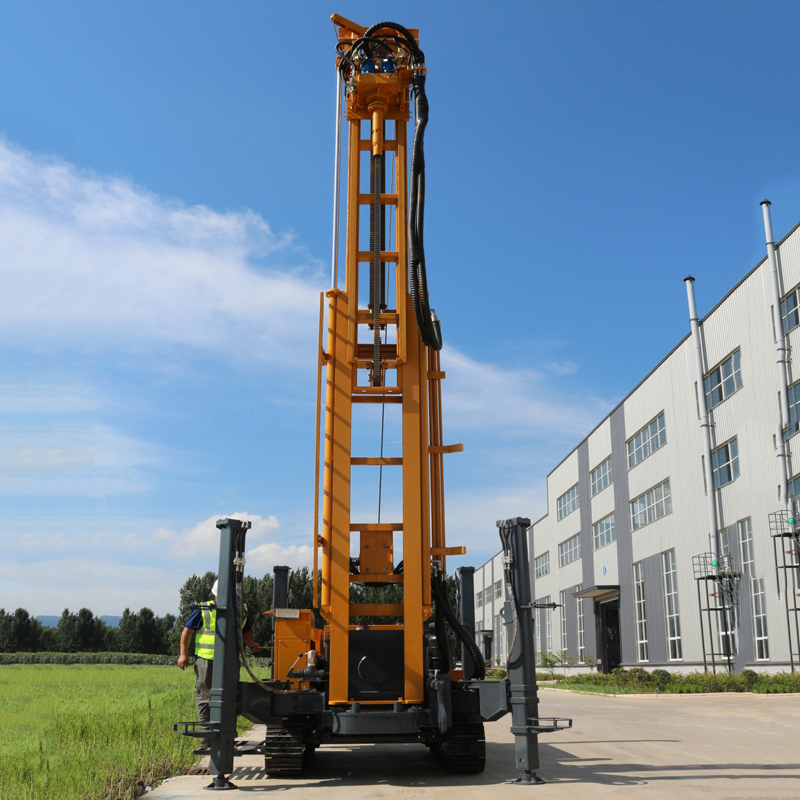
When 450m-class and 400m-class models are compared side by side, differences in overall weight, dimensions, and outrigger configuration may affect construction organization more than differences in drilling depth, especially in projects involving village roads, farm roads, and confined sites.
A comparison table to verify according to project conditions
| Check item | WR450SE published value | What to confirm in comparison |
|---|---|---|
| Maximum drilling depth | 450 m | Corresponding hole diameter range 105–400 mm |
| Drill pipe | 6 m, recommended diameter 89 / 102 mm | Rod connection/disconnection frequency and on-site labor configuration |
| Lifting force | 20 T | Total weight of drilling tools, hole wall friction, casing operations |
| Rotary torque | 9000 / 4500 N·m, 90 / 180 r/min | Hole diameter and rock type |
| Power | 92 kW | Cooling and filter maintenance for continuous hard rock construction |
| Pneumatic parameters | 1.2–3.5 MPa, 16–55 m³/min | Check air compressor pressure and displacement simultaneously |
| Overall form | About 8.5 T, about 5.85 × 1.8 × 2.4 m | Access roads, site bearing capacity, and relocation method |
Judgments supported by the information and matters needing confirmation
Based on the published specifications of the WR450SE, what can be confirmed are the model's drilling depth, hole diameter, drill pipe length, lifting force, dual-mode torque, power, pneumatic parameters, and overall form; it can also be confirmed that the specifications themselves do not provide efficiency commitments tied to specific formations, do not provide margin calculations under different drilling tool combinations, and do not provide capability descriptions for equipment above 500 meters.
Therefore, when making selection judgments by comparing 450m-class and 400m-class water well drilling rigs together, the following items should be confirmed in writing before purchase: the combination of project design well depth and hole diameter, the main local rock formation types, drilling tool and casing specifications, the pressure and displacement of the air compressor to be matched, and the relocation route and site bearing conditions. Only after these conditions are clear does the drilling depth grade have comparative significance; when the conditions are unclear, looking only at nominal drilling depth can easily lead to conclusions that are not applicable to on-site construction.