












In an exploration project, reverse circulation is often conducted first, followed by a decision on whether to add coring holes. The basis for this decision is usually not simply "switch when the designed depth is reached," but whether the information from cuttings samples is sufficient to support the next stage of design. Cuttings samples are returned by advance and can reflect changes in lithology, alteration, and mineralization with depth, but they are not continuous intact cores; sequence boundaries, structural relationships, and the internal structure of thick ore bodies are often difficult to read directly from them. The handover decision must address which hole sections require additional coring and what conditions must be verified before doing so.
What Cuttings Samples Can and Cannot Answer
The sample form of reverse circulation drilling is cuttings returned over depth intervals. The RC400 information states this point as follows: compared with core drilling rigs, it primarily obtains cuttings samples returned by depth, rather than continuous intact cores. This distinction determines the starting point of the handover decision.
In terms of information use, cuttings samples are suitable for recording color, lithology, alteration, and mineralization changes at fixed advance intervals, and for sending to laboratories for grade analysis. For large-scale anomaly verification, ore body boundary control, and peripheral expansion, the value of such samples lies in establishing more drill hole control points at a faster rate. Conversely, when it is necessary to clearly see stratigraphic contacts, mineralization host positions, and the width of structural fracture zones, the information from cuttings samples is insufficient to replace coring.
The information also indicates that fractured zones and fissure-developed strata are prone to block falling and local hole enlargement, and cuttings may be retained in the hole and returned in concentrated batches, causing poorer depth correspondence of samples. If the cuttings records for such hole sections show sudden changes in sample return volume or mixed lithology, the stratigraphic boundaries inferred from those samples cannot be directly trusted during handover.
Hole Depth and Hole Direction Information to Verify Before Handover
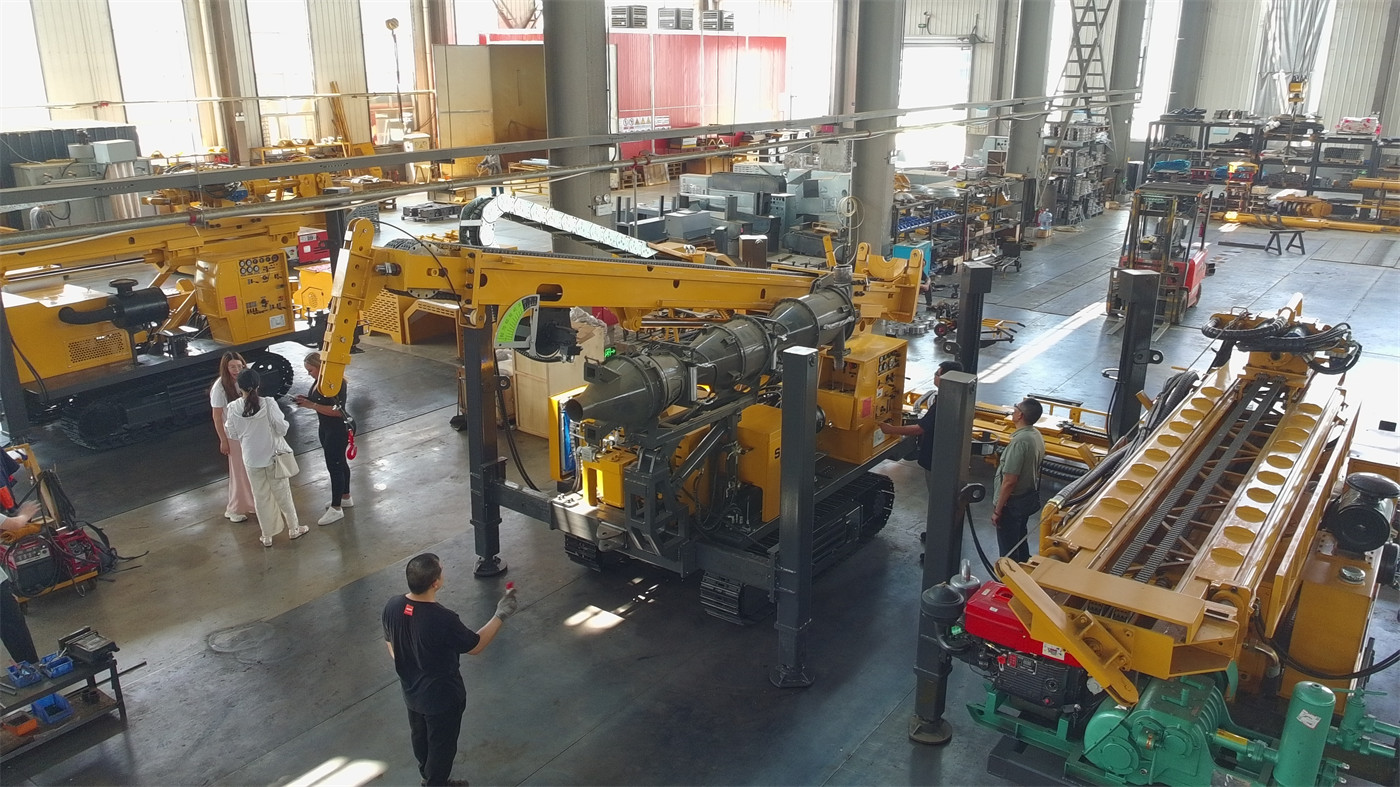
Whether to add coring and at which depth intervals requires first confirming the actual final hole status of the previous reverse circulation holes. The RC400 has a maximum drilling depth of 400 m, a hole diameter of 105–305 mm, and working angles of 45° and 90°. These values indicate that it can handle medium-depth, multi-angle hole placement tasks, but actual drilling depth is affected by hole diameter, drill rods, air compressor capacity, formation conditions, hole deviation, and drilling tool wear. The information explicitly states that 400 m should be understood as a reference capability under typical configurations.
At handover, at least the following items must be confirmed:
- The measured final depth and collar angle of each reverse circulation hole, and whether they match the geological design;
- Whether there are missing intervals, mixed intervals, or abnormal sample returns in the sample records, and which depths they correspond to;
- Whether there are hole sections with deviation exceeding design expectations, affecting the positioning of subsequent coring holes;
- Which target areas are covered by inclined holes and vertical holes respectively, and whether coring holes follow the same hole direction.
The RC400 supports 45° inclined holes and 90° near-vertical holes. The information states that vertical holes are suitable for groundwater, overburden investigation, and some mineral exploration, while 45° inclined holes can be used for inclined ore bodies, structural zones, or specific target verification. This means the handover decision is not only "which depths to add coring" but also "whether to add coring along the existing inclination or to drill separate vertical holes." This point must be confirmed by the geological design; the equipment information itself does not provide a conclusion on the trade-off.
Reverse Circulation Sample Management Conditions Determine the Credibility of Handover Data
The handover decision relies on the sample records from the previous stage. The information on RC sample management states: samples should be numbered, weighed, and sealed according to fixed hole depth intervals, and the hole number, depth, time, and abnormal conditions should be recorded; the sampling system, cyclone, or splitter equipment also needs regular cleaning; each time sampling restarts after adding a rod, cleaning the hole, or stopping drilling, the transition section should be handled according to on-site sampling procedures to avoid mixing samples from different depths.
These requirements and equipment capability are two different levels. The RC400 provides a drilling platform; final sample quality also depends on on-site sampling procedures and personnel operations. Therefore, if during handover a batch of samples is found to lack depth numbering, the transition section was not recorded separately, or the splitter cleaning records are incomplete, the weight of that section's data in determining coring locations should be correspondingly reduced.
In addition, reverse circulation sampling is efficient and suitable for quickly obtaining continuous cuttings samples, but this does not mean the samples are inherently representative. This point is also explicitly stated in the information: reverse circulation sampling requires not only fast drilling but also ensuring that samples are returned continuously by depth. The handover decision should consider "sample return continuity records" together with "sample grade data," rather than looking only at assay results.
Air Supply and Supporting Conditions Affect the Integrity of Cuttings Returns
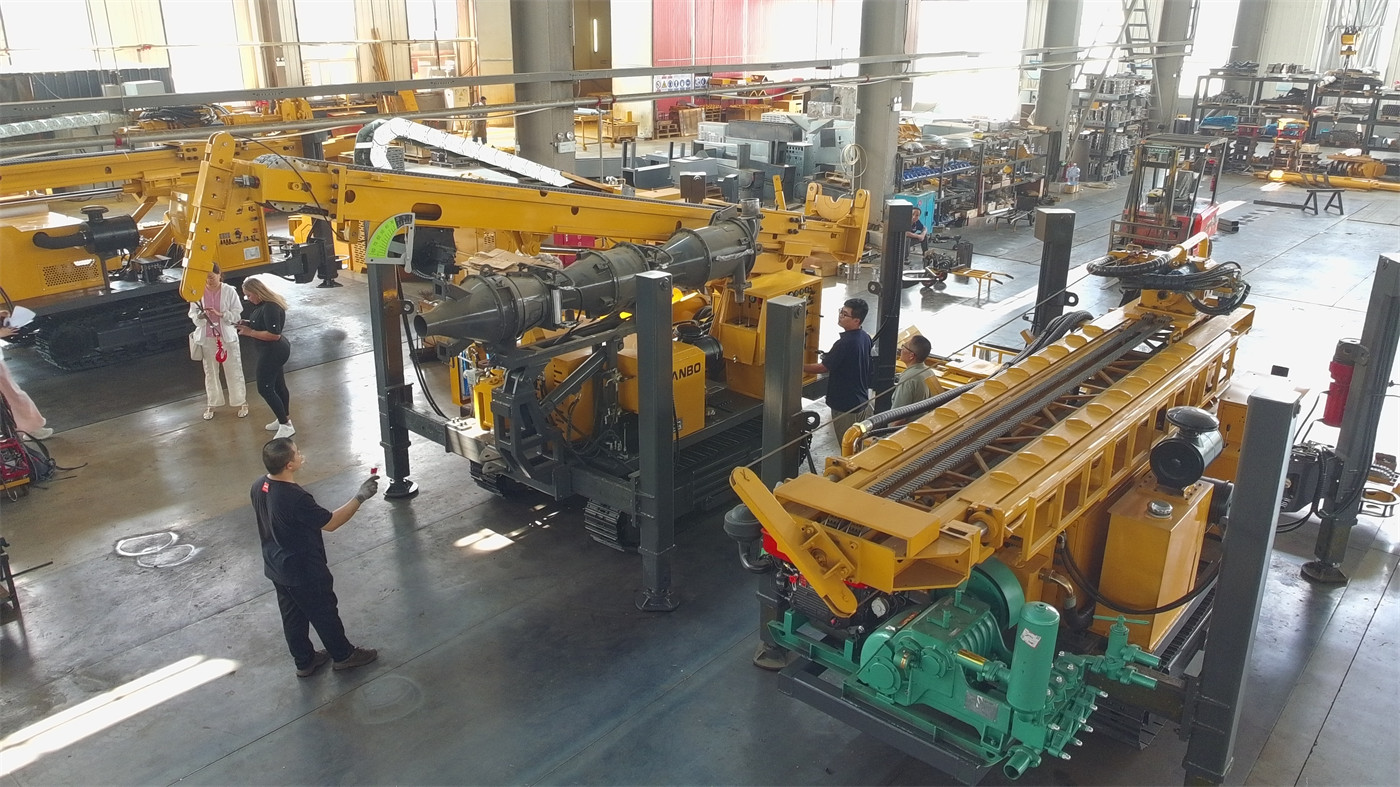
If the project needs to continue construction on the same platform later, air supply conditions will directly affect the sample return quality of the reverse circulation section, and thus the handover data. The RC400's recommended working air pressure is 1.2–3.5 MPa, with air consumption of 16–55 m³/min. The information states that when hole depth increases, hole diameter increases, or the rock is harder, insufficient air volume will reduce the cuttings return speed, potentially affecting sampling continuity and hole bottom cleanliness.
Therefore, the handover decision also includes a supporting check: whether the actual air compressor displacement and pressure used in the previous stage covered the needs of the corresponding hole depth and diameter. If some deep hole sections were completed under tight air supply conditions, the cuttings samples from these sections should be given greater uncertainty in stratigraphic determination, and the priority order for additional coring should be adjusted accordingly.
Formation Changes Determine the Handover Approach, Not Just Depth
The information provides several categories of formation conditions suitable for the RC400: soil, clay, sand, and gravel layers are prone to hole collapse and may not be suitable for direct pneumatic RC drilling; this model supports mud drilling, allowing mud circulation and casing in upper loose formations, then switching processes after entering stable rock; weathered rock, fractured rock, and relatively intact hard rock can be paired with medium- and high-pressure down-the-hole hammers; fault fracture zones require controlled penetration rate, stable air supply, and good record-keeping.
This means the handover decision cannot be arranged solely by "add coring at a certain depth." Cuttings samples from upper loose overburden are themselves greatly affected by hole collapse and sample mixing; if this section is also a mineralization target layer, the necessity for additional coring is actually higher. After entering intact hard rock, if the lithology and grade changes in cuttings samples are already clear, additional coring can be concentrated near stratigraphic contacts and mineralization boundaries, rather than continuous coring of the entire hole.
The above is a conditional analysis based on equipment information, not an actual conclusion for any specific project. Which hole sections should be prioritized for coring must be determined in combination with assay results and geological design.
The Position of This Equipment in the Handover Decision
Placing the RC400 in the process of "cuttings sampling—handover decision—subsequent coring," it undertakes the previous stage: using 400 m-class drilling depth, 105–305 mm hole diameter, and 45°/90° hole placement capability to quickly establish cuttings control points. Its 22 T lifting force, 8000/4000 N·m dual-condition rotary torque, and 1.2–3.5 MPa working air pressure correspond to 400-meter-class drill string handling, coordination of different hole diameters and rotation speeds, and RC cuttings discharge conditions—these are the supporting conditions that ensure the reverse circulation section can proceed as designed.
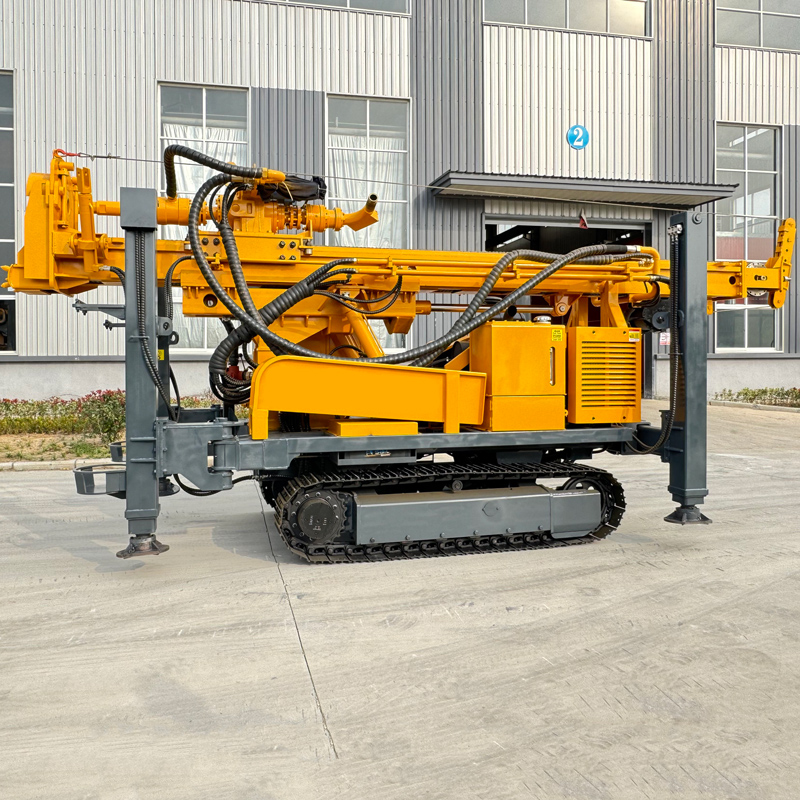
However, the information also states that it obtains cuttings samples, not continuous intact cores. Therefore, it cannot replace subsequent coring equipment; the core of the handover decision is to organize the samples and records it produces into usable criteria, and then determine the location, number, and direction of coring holes.
The same equipment can also be used for deep water well construction. The information lists rural water supply, farmland irrigation, industrial water use, and mining area groundwater development as one of its main applications. If the project also has water supply needs, converting some hole positions into water wells after the reverse circulation section is also a feasible on-site organization method, but this is a project arrangement and requires separate confirmation of well completion techniques and supporting equipment.
Recommended Verification Items Before Handover
| Verification Item | Source of Basis | Purpose at Handover |
|---|---|---|
| Measured hole depth and collar angle | RC400 information: maximum drilling depth 400 m, 45°/90° | Determine depth intervals and hole direction for additional coring |
| Sample return continuity and anomaly records | Information: fracture zones may cause poorer depth correspondence of samples | Determine which hole sections have lower sample credibility |
| Sample numbering, weighing, and sealing records | Information: number by fixed hole depth intervals, record hole number, depth, time | Confirm traceability of previous stage data |
| Actual air supply parameters | Information: working air pressure 1.2–3.5 MPa, air consumption 16–55 m³/min | Assess sample return integrity in deep hole sections |
| Transition section handling records | Information: resampling after adding rods, cleaning holes, or stopping drilling should follow procedures | Avoid misjudgment due to mixing samples from different depths |
Matters Still Requiring Confirmation
The information does not provide a quantitative relationship between the representativeness of cuttings samples and the necessity for coring under different formation conditions, nor does it provide layout rules for additional coring holes. These must be determined by project geological design and assay results.
In addition, regarding the actual drilling depth performance of the RC400 under different hole diameters, drill rod combinations, and air compressor configurations, the information only states that it is affected by multiple conditions and does not provide an item-by-item correspondence table. If the project is near 400 m or the hole diameter is close to the 305 mm upper limit, it is recommended to confirm the capability boundaries under specific configurations with the manufacturer before starting work.
The handover decision is essentially a data organization issue: only by collecting the samples, depths, hole directions, and air supply records that the reverse circulation stage can provide can it be determined where subsequent coring should take over. Equipment information supports the capability boundaries of this stage; it does not replace geological judgment.