












In DTH drilling, rotary torque is often regarded as the primary indicator of whether drilling is possible. However, rotary torque does not directly determine penetration rate; it mainly affects drill string rotation resistance in the hole, the match between percussion and rotation, and the margin for handling stuck drills. Understanding this allows torque to be viewed in the correct process context.
Which operations rotary torque corresponds to in medium-shallow hole DTH drilling
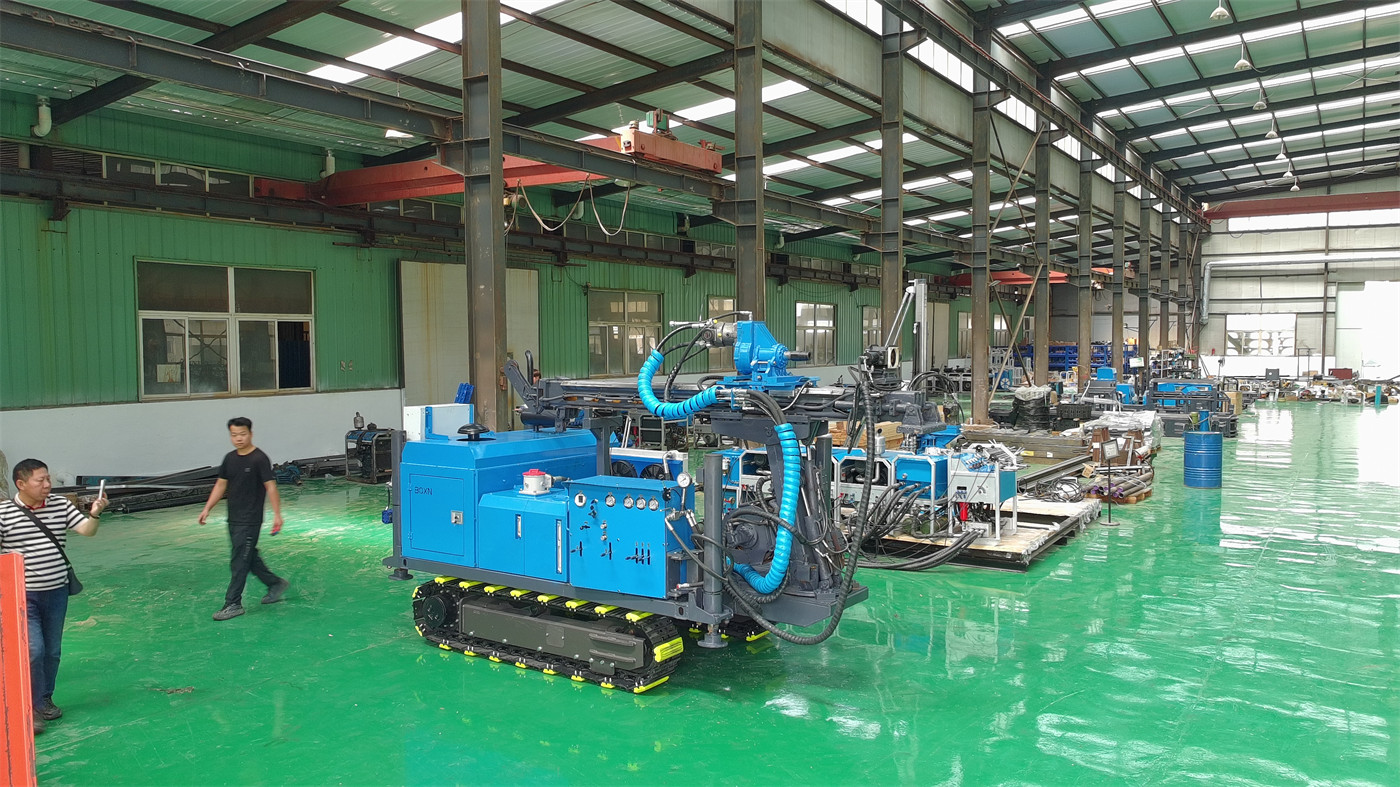
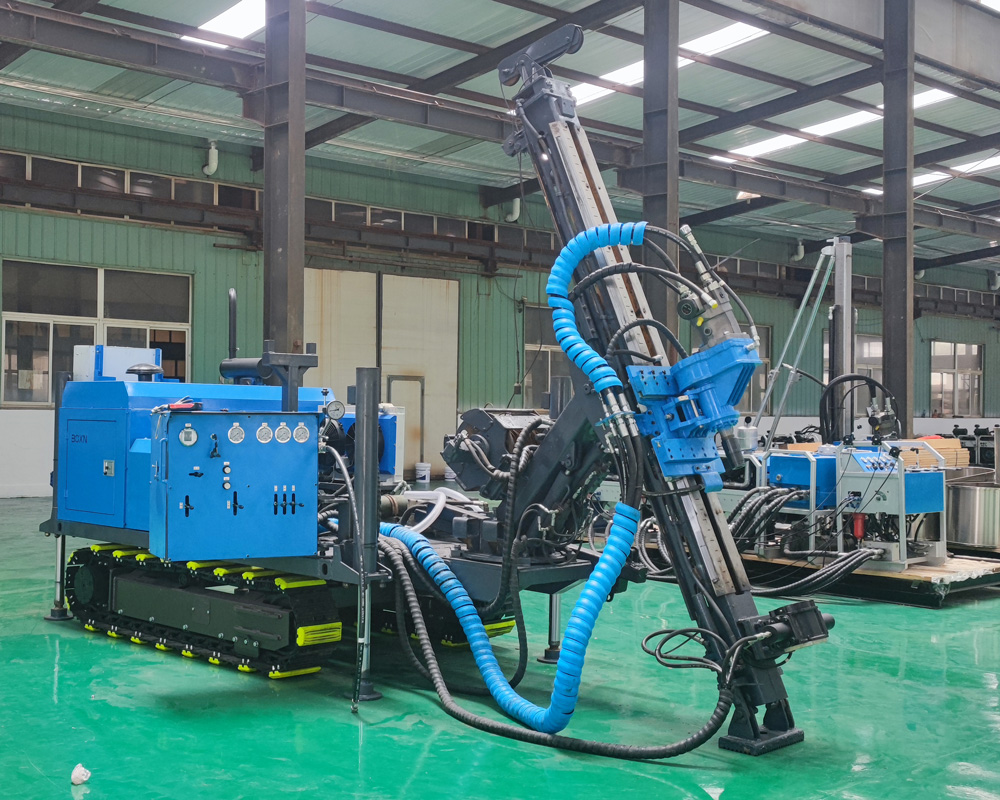
The DTH30C has a maximum rotary torque of 3500 N·m, maximum drilling depth of 30 m, hole diameter of 76–280 mm, and is suitable for rock hardness of approximately f = 8–24. In this type of medium-shallow hard rock engineering, rotary torque is mainly related to the following operations:
- Continuous rotation of the drill string in the hole: the larger the hole diameter and the deeper the hole, the higher the friction resistance and rotation resistance between the drill pipe and the hole wall.
- Matching of percussion and rotation: the DTH hammer provides impact energy, while the rotation mechanism rotates the drill string to reposition the bit; the two must be coordinated, and abnormally high rotation resistance usually means parameters need adjustment or the hole needs cleaning.
- Margin for handling stuck drills or sudden resistance increases: torque reserve affects the equipment's ability to respond to local fractured zones, falling blocks or poor cuttings removal, but it does not mean the machine can be forced forward.
Therefore, 3500 N·m does not indicate how fast or how hard this machine can drill; it indicates that within the medium-shallow hole and engineering hole diameter range, the rotation mechanism has a certain capacity to withstand rotation resistance.
Why drilling capability cannot be judged by torque alone
DTH drilling efficiency is determined jointly by percussion, rotation, feed and cuttings removal. The reference air consumption in the DTH30C data is approximately 8 m³/min (the original table states 8 m²/min, interpreted according to the common unit for compressed air flow; the official technical data shall prevail). Insufficient air supply from the air compressor directly affects DTH hammer performance and cuttings removal, and in that case even high torque cannot produce effective penetration.
In addition, bit wear, rock abrasiveness and hole wall integrity all change rotation resistance. If rotation resistance continues to increase, cuttings return decreases or the bit jumps noticeably, the data recommends promptly adjusting parameters and cleaning the hole rather than continuing to increase rotation or feed.
Several conditions matched with torque
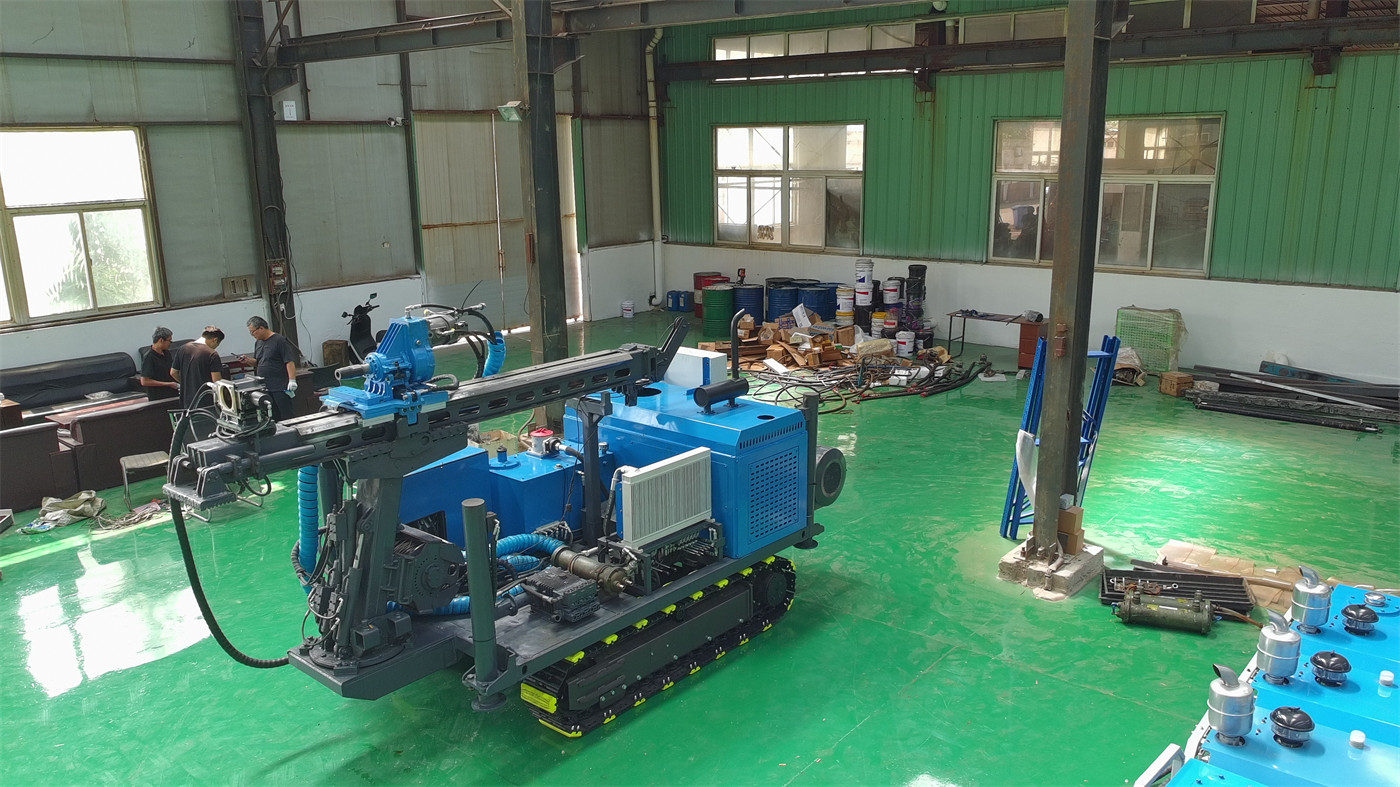
The DTH30C weighs approximately 2500 kg, measures approximately 3200 × 1200 × 1850 mm, and uses a rubber track chassis, making it suitable for medium-shallow hole work in medium-high hardness rock layers such as slope anchoring, foundation pre-drilling, quarries and road engineering. Conditions related to rotary torque include:
| Matching item | Condition in the data | Relationship with torque |
|---|---|---|
| Air compressor | Reference air consumption approximately 8 m³/min; unit to be confirmed in official data | Insufficient air supply affects percussion and cuttings removal, and rotation resistance tends to rise |
| Drill tools | DTH hammer, bit and drill pipe selected according to hole diameter and rock layer | Bit wear or improper selection increases rotation load |
| Feed and hole cleaning | Feed speed of 53 m/min is rapid travel speed, not penetration speed | Excessive feed or incomplete hole cleaning aggravates rotation resistance |
These conditions show that rotary torque is one link in the entire drilling system and must be considered together with air supply, drill tools and operating parameters.
Application boundaries and parameters to verify
The DTH30C is positioned as a 30 m class engineering DTH drill rig, suitable for slope anchor bolt holes, anchor cable holes, drainage holes, foundation pre-drilling holes, short quarry holes and short pile pre-drilling. For deep water well construction of 200 m, 300 m or more, a dedicated water well drill rig should be used; this 30 m class equipment must not be used as deep water well equipment.
Before purchasing or configuring, it is recommended to verify the following:
- Whether the target hole depth and hole diameter fall within the 30 m and 76–280 mm range;
- Rock hardness and integrity; fractured zones and weathered rock layers may require casing or process adjustment;
- Whether the air compressor's actual air output and pressure meet the requirements of the selected DTH hammer; the air consumption unit in the data must be confirmed with the manufacturer;
- The specific angle range corresponding to the 18–180° equipment swing angle and tilt adjustment function; the original data does not give explicit values, so the final technical confirmation document shall prevail;
- Site access, ground bearing capacity and underground pipeline conditions; the machine width is approximately 1.2 m, but turning and working space still need to be confirmed.
When requesting a quotation, it is usually necessary to provide: formation conditions, target hole depth and diameter, construction method (slope anchoring, foundation pre-drilling or quarry, etc.), and site and transport conditions, so that equipment configuration and matching drill tools can be verified.