












Stocking water well drilling rig parts is most prone to two extremes: one is to spread out a list by "buying all common parts," which ties up funds and easily lets oil products expire; the other is to stock only drill bits and wait until the mud pump or high-pressure lines fail, causing the entire rig to shut down. A more practical approach is to first distinguish two categories of components—one is continuously consumed with footage at a relatively predictable rate, such as drill bits, threads, and seals; the other is not necessarily replaced frequently but has no substitute once missing, such as mud pump wear parts, high-pressure air hose joints, and DTH hammer lubricating oil. The former is suitable for planned quantities, while the latter is suitable for stocking a minimum usable set count.
It should be noted that the existing product materials on this site for models such as WR260 and WR750S cover drilling capacity, chassis, power, and some daily maintenance tips, but do not itemize part models, specifications, and recommended stocking quantities. Therefore, this article can only organize a verification approach based on the locations and items already appearing in the materials. Specific part numbers, materials, service life, and quantities must be confirmed by the manufacturer's parts manual or in writing, and lists for other models cannot be used as substitutes.
First Look at Locations Explicitly Mentioned in the Materials, Then Discuss Stocking Scope
The maintenance items for the WR260 mention: before daily construction, check the engine, hydraulic system, rotary head, mast, winch, and high-pressure air hoses; during operation, observe air pressure, cuttings discharge, water return, and equipment temperature; after completion, clean mud and dust, and check drill pipe threads, DTH hammer lubrication, and hydraulic joints. The WR750S materials mention optional mud pumps, centrifugal pumps, generators, and foam pumps, and emphasize that once cuttings discharge is poor in 750-meter-class deep holes, sediment and re-crushing will significantly increase torque and energy consumption.
Together, these two pieces of information provide a more reliable boundary than "listing items off the top of one's head": the stocking scope should at least cover drill pipe threads and drilling tools, DTH hammer lubrication, hydraulic joints, high-pressure air hoses, and components related to mud/centrifugal/foam pumps. As for which specific parts to stock in each category, the materials do not elaborate, and this falls under items to be confirmed.
Wear Parts: Divide into Two Groups by "Whether Consumed with Footage"
Group 1: Drilling Tools and Downhole Components Continuously Consumed with Footage
This category is the main body of stocking. In DTH hammer drilling, the drill bit acts directly on the rock formation, and wear is related to lithology, air volume, and feed control; drill pipe threads bear loads during repeated make-up and break-out, and the materials explicitly require checking drill pipe threads after construction, so thread repair tools, corresponding thread gauges, and spare joints usually need to be included in the plan. DTH hammer lubrication is also listed separately, indicating that lubricating oil is a consumable rather than optional.
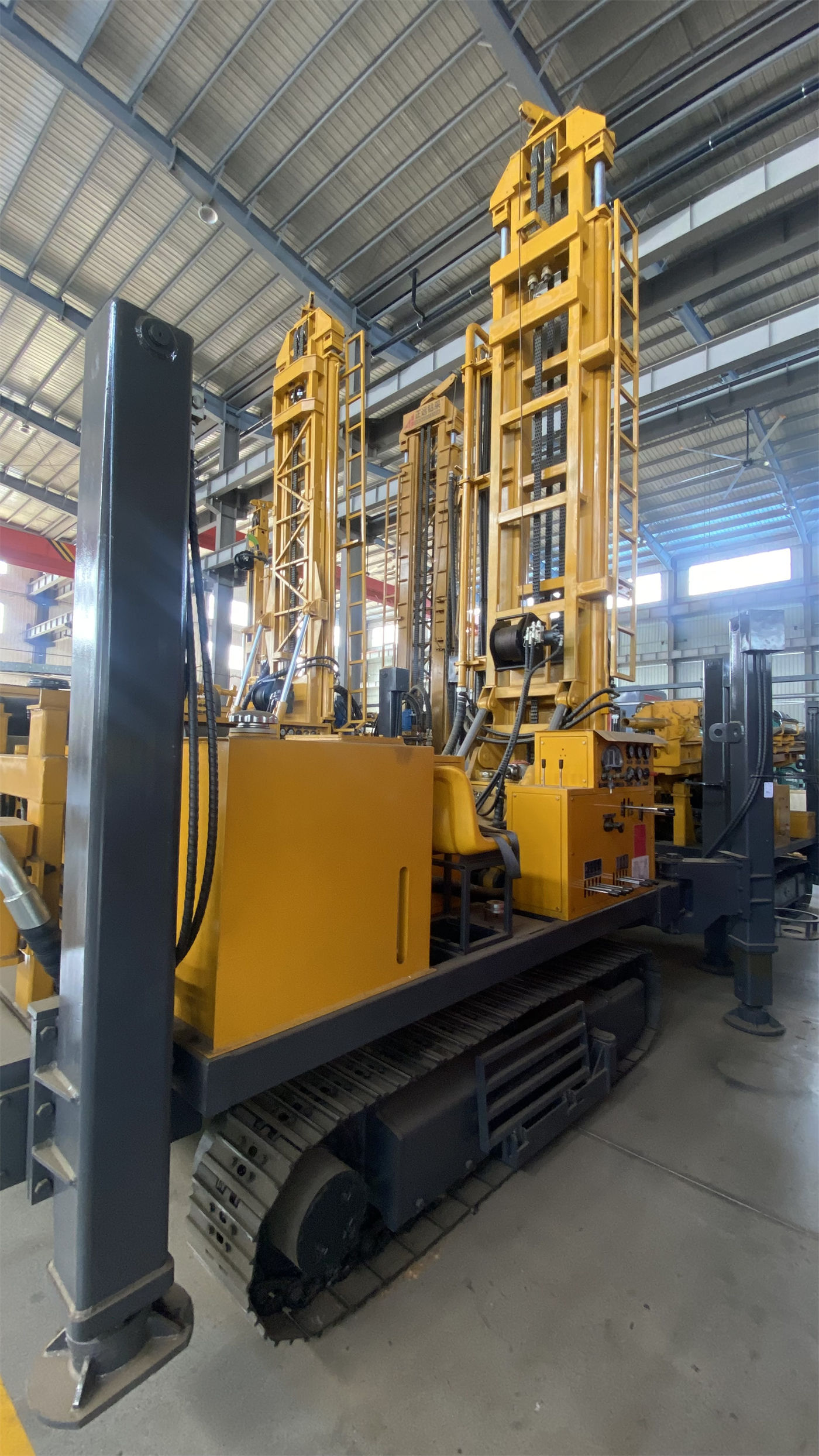
- Drill bits: matched according to the project's main lithology and target hole diameter; projects with a high proportion of hard rock wear faster, and the base quantity should be determined in conjunction with the drilling plan.
- Drill pipes and thread-related parts: deep-hole projects have many drill pipes, and thread dressing tools and spare joints are recommended to match the drill pipe specifications.
- DTH hammer lubricating materials: prepared according to the DTH hammer manufacturer's requirements; different models cannot be mixed, and this site's materials do not provide specific grades and dosages.
- Seals and wearing rubber parts: seals at hydraulic joints and high-pressure air hose interfaces are locations that may need immediate replacement after shutdown.
Group 2: Components Not Necessarily Replaced Daily but That Stop the Rig When Missing
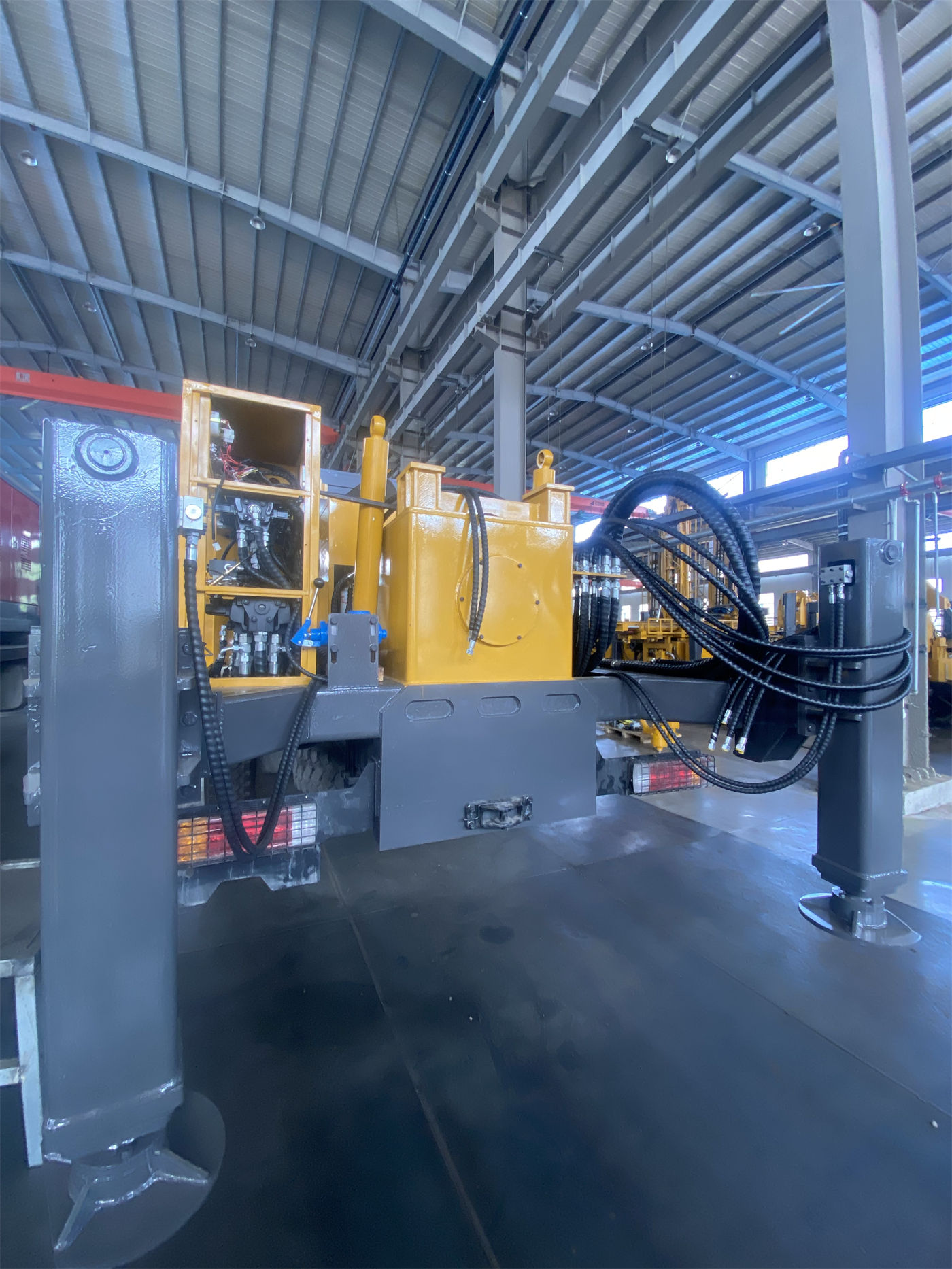
The common feature of such components is that consumption is usually invisible, but once damaged, there is often no on-site substitute. The WR260 materials mention a high outrigger stroke of 1.4 m and an auxiliary winch lifting force of 1.5 T. Once problems occur in the hydraulic hoses, joints, and seals corresponding to these hydraulic actuators, they directly affect equipment positioning and lifting. The WR750S is equipped with hydraulic outriggers with a stroke of 1.6 m and an auxiliary winch of 2.5 T. Long-cycle deep-hole projects are more obviously dependent on such components.
Mud System Components: Stocking Logic Differs from Wear Parts
Mud pumps, centrifugal pumps, and foam pumps appear as optional items in the materials, meaning not every machine is equipped with them. Before stocking, first confirm which types of pumps, models, and drive methods are actually installed on the machine, then prepare parts by pump type. It cannot be assumed that they are "universal for water well drilling rigs."
Several categories of components in the mud system need separate consideration:
- Pump wear parts: pump valves, cylinder liners, pistons, and sealing components are typical wear items, and their service life is directly related to mud sand content, concentration, and displacement. Projects with more loose overburden rely more on the mud system, and the consumption pace is faster.
- Lines and joints: mud lines, high-pressure hoses, and joints are in long-term contact with solid-containing media, so joints, clamps, and seals are a category that needs spares.
- Foam-related: severely air-leaking formations may use foam assistance. Foam pumps and associated lines are components used only in specific formations, and whether to stock them depends on whether the project will actually encounter such formations.
This site's materials do not provide pump models, displacement ranges, specific wear part lists, or mud pump service life data. Such content is not suitable for inference here and should be obtained directly from the manufacturer's parts manual for the corresponding model.
Stocking Quantities Should Be Calculated by Project Conditions, Not Averaged by Rig Count
The same WR260 has different stocking priorities under different projects. Several conditions can be used as a starting point:
| Project Condition | Impact on Stocking Priority |
|---|---|
| Lithology mainly intact hard rock | Drill bits, DTH hammer lubrication, and air path components are consumed more prominently |
| Thick upper overburden, abundant sand or gravel | Mud pump wear parts, line seals, and wall-protection-related consumables are consumed faster |
| Large hole depth, many drill pipes | Drill pipe thread parts, lifting tools, and winch-related parts take up more stocking budget |
| Remote site, long replenishment cycle | Increase reserve quantities of key shutdown parts rather than piling up non-critical parts |
| Strong water inflow in aquifer or severe air leakage | Whether process consumables such as foam and casing need advance preparation must first be confirmed by the process plan |
The content in the table is a condition correspondence organized from formation differences and process options mentioned in the materials, and does not constitute specific quantity recommendations.
Parts Items Recommended to Confirm with the Manufacturer Before Procurement
- Boundary between standard accessories and separately purchased parts: which are already included in the delivery scope and which need separate ordering.
- Drill pipe specification correspondence: the WR260 materials mention compatibility with 76 mm or 89 mm drill pipes, while the WR750S recommends 102 mm drill pipes and supports 6 m drill pipes. Parts should be matched to the actual drill pipe specifications.
- DTH hammer lubrication requirements: brand, model, dosage, and replacement cycle, subject to the DTH hammer manufacturer's materials.
- Actual optional configuration of mud pumps, centrifugal pumps, and foam pumps, as well as the corresponding wear part lists and replacement criteria.
- Specifications, pressure ratings, and interface forms of hydraulic joints and high-pressure air hoses to avoid mismatches upon arrival.
- Recommended reserve ratios and storage conditions for wear parts, especially shelf-life requirements for rubber parts and oil products.
This site's materials do not provide the above part models, part numbers, unit prices, and service life data. Purchasers should require the manufacturer to provide in writing a parts manual corresponding to this model and clarify the supply cycle. For models with optional configurations, in particular, other models or generic lists must not be directly applied.
Insufficient Information and Usage Reminders
The parts scope covered in this article comes only from maintenance locations and optional items mentioned in the HJH water well drilling rig WR260 and WR750S product materials, and does not include parts of other models not appearing in the materials. Part names, quantities, replacement cycles, and judgment criteria not itemized in the materials are not supplemented in this article.
Safety requirements related to parts replacement and equipment operation should be subject to the manufacturer's operating procedures and on-site management systems. During drilling, personnel must not approach the rotating drill pipe, chain feed mechanism, or mast swing range; before replacing drilling tools, checking the hydraulic system, or handling lines, shut down the machine and release the relevant pressure. The above are general safety reminders, and specific steps must be based on the formal operation manual.