












The results of deep hole coring are not just a box of core. After core is brought up from the hole, its depth in the hole, corresponding run, and drilling method used must all be linked through on-site records. Incomplete drilling logs, core box labels that only show box numbers, and wireline winch lift counts that are not separately registered are not uncommon on deep hole projects. The consequence is that during core logging, it becomes impossible to state clearly which depth interval a given section came from. This article discusses how to align such records and, when selecting deep hole coring equipment, which data fields affect the completeness of run information.
Run records must solve the correspondence between core and depth
Coring drilling usually proceeds by runs: one drilling pass, one trip out, one core section. The core of run records is not to tally footage, but to make each core section traceable to hole depth, drilling parameters, and downhole behavior. Under deep hole conditions, a single hole has many runs and frequent inner tube retrieval, so relying on memory or after-the-fact notes easily creates gaps.
There are three common on-site record sources: drilling logs (footage, weight on bit, rotation speed, pump rate, return water condition), wireline winch and hoisting-related records (inner tube retrieval count, hoisting time, downhole resistance behavior), and core boxes and core labels (box number, run number, start and end depths, core length). When each of the three is incomplete, most runs can still be reconstructed by cross-checking, provided that field definitions are consistent—for example, whether “run start depth” is calculated from the depth at which the drill string is run in or from the end depth of the previous run.
Which columns in the drilling log determine whether runs can be matched
Drilling log formats vary by crew, but the fields that determine run traceability are relatively fixed. When reading, priority should be given to confirming whether the following columns exist and whether their definitions are consistent:
- Run number and corresponding start and end hole depths, noting whether these are drill string depth or hole depth;
- Footage for the run and actual core length; the difference between the two must be recorded separately (residual core, wear, and dropped blocks can all cause discrepancies);
- Drilling method and drill string assembly, including coring size and inner tube type;
- Pump rate, pump pressure, and return water condition, and whether abnormalities are marked;
- Reason for tripping out: end of run, full inner tube, or downhole abnormality.
Among these columns, the difference between actual core length and footage is the most easily omitted. It is both a basis for judging core recovery and a clue for explaining later during logging “why a certain core section is short.”
Why wireline winch data is listed separately in deep holes
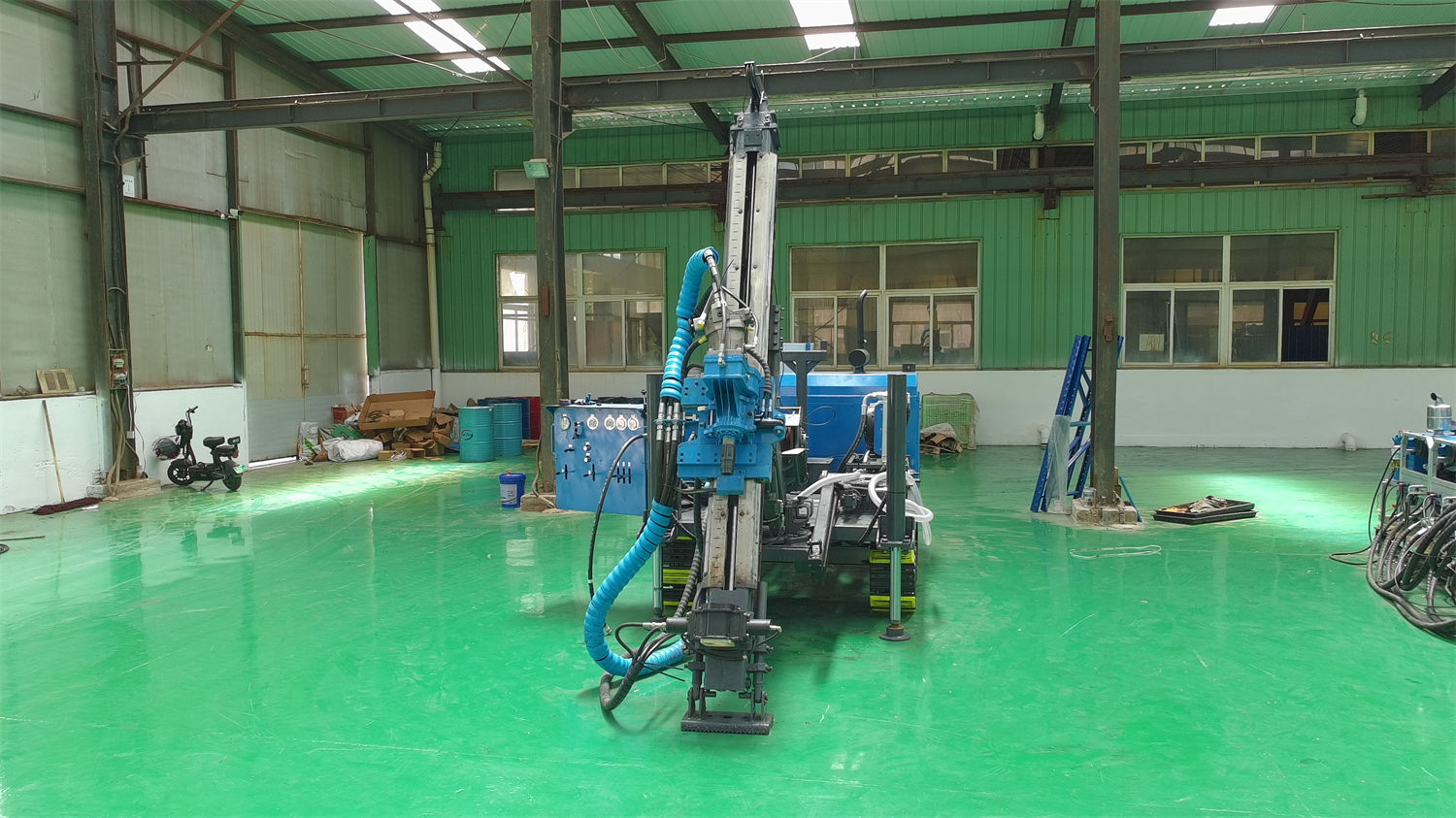
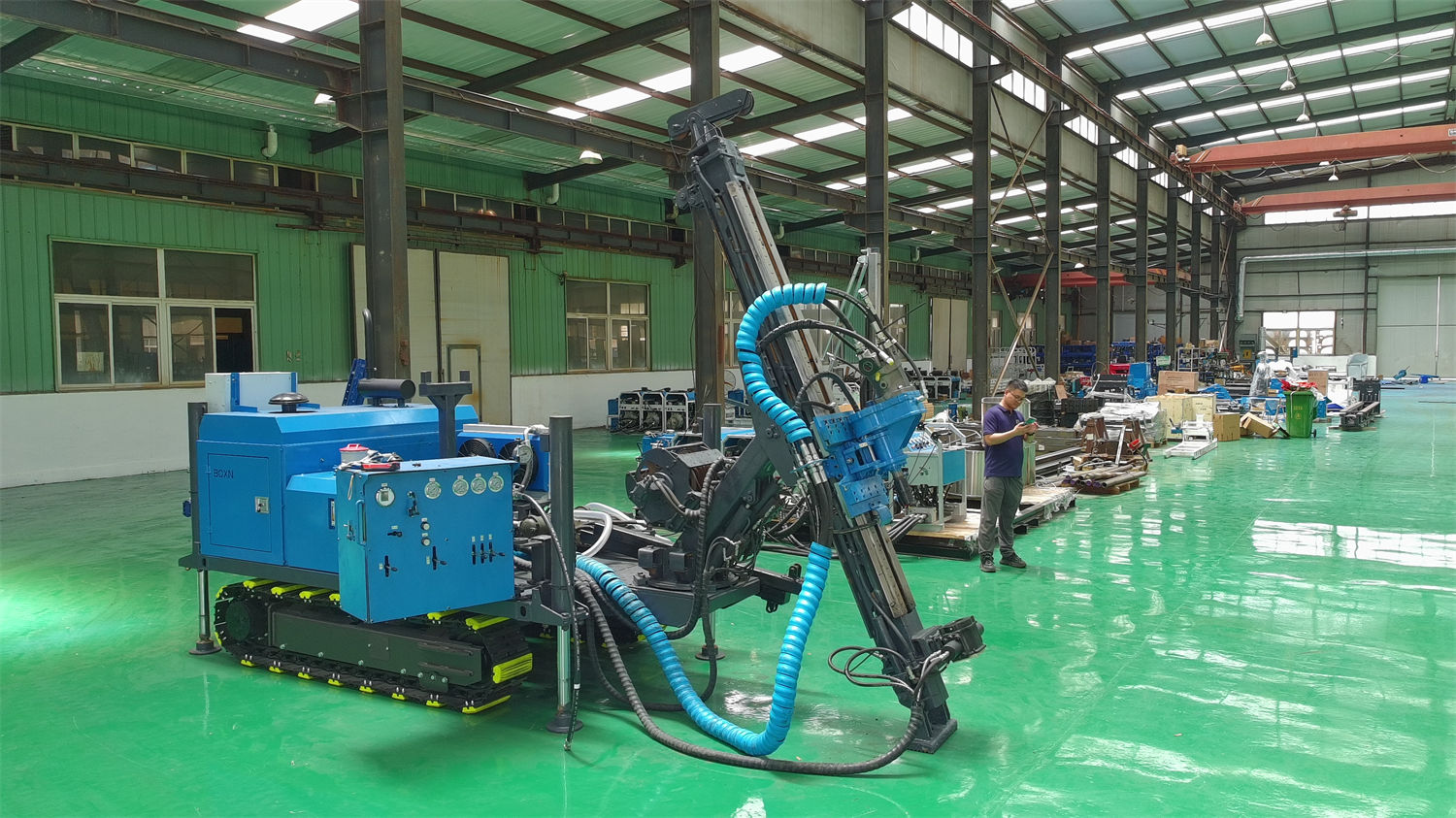
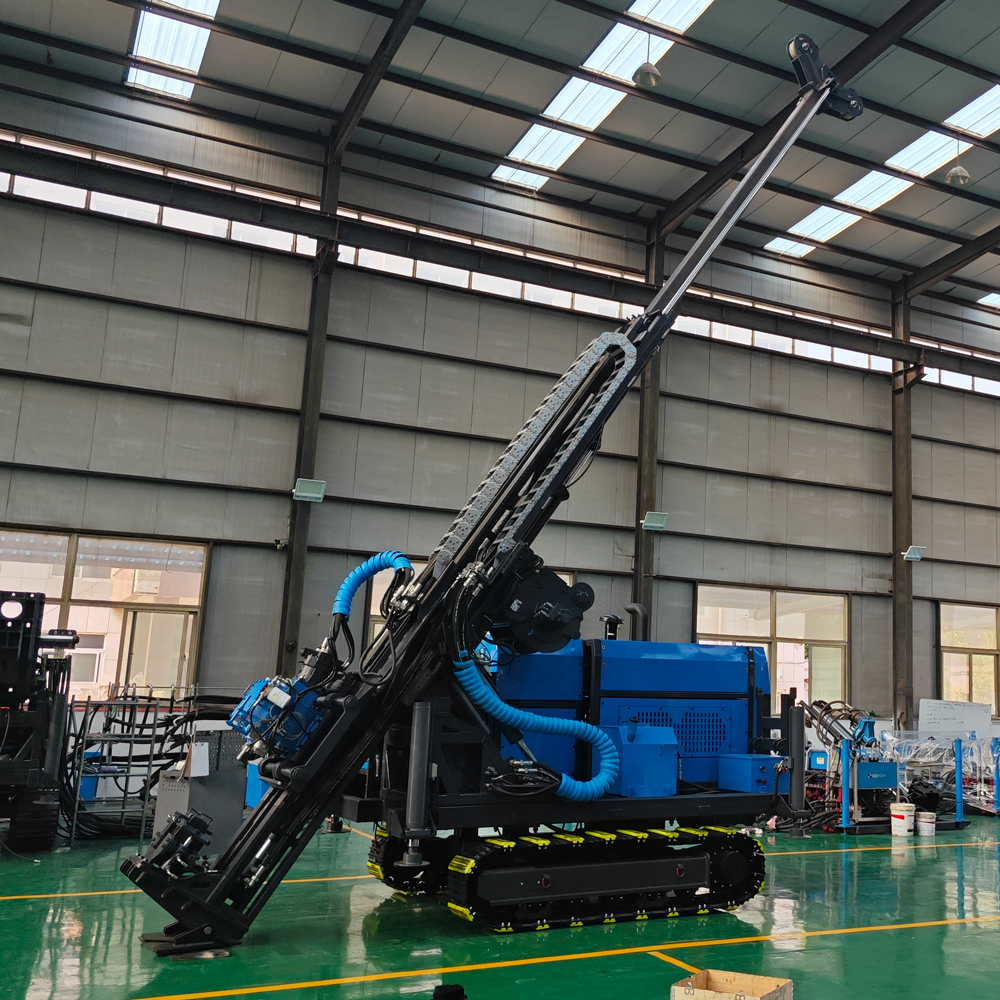
Deep hole coring often uses wireline coring. Inner tube retrieval does not require pulling the entire drill string; it is done via the wireline winch. Parameters such as winch rope capacity and hoisting speed determine the proportion of time spent retrieving the inner tube per trip and also affect the rhythm of run records. Taking the deep hole core drilling rig information associated with this article as an example, the wireline winch has a rope capacity of 1200 m, a hoisting speed of 116 m/min, a hoisting force of 13.5 kN, and a wire rope diameter of 6 mm. These values describe the operating conditions of the winch system in the deep hole section and cannot be directly converted into the actual tripping time for a given hole, because downhole resistance, how full the inner tube is, and operational continuity all change the actual time required.
For run records, the value of winch-related information lies in matching “which inner tube retrieval” with the run number in the drilling log. If the drilling log records only footage and not inner tube retrieval counts, then in the deep hole section, once the inner tube fails to reach bottom or the core is blocked, run attribution is prone to misalignment. Therefore, the drilling log should include a column registering inner tube retrieval counts and the corresponding run.
How core box labels and drilling logs cross-check each other
Core boxes are the physical evidence of the record. Labels usually show box number, run number, start and end depths, and core length. A simple sequence can be used for verification: first arrange by box number, then check box by box whether run numbers are consecutive, and finally compare the core length marked on each box with the total actual core length in the drilling log. If discrepancies are concentrated in a particular run, it is most likely a missing label entry or a later addition to the drilling log; if discrepancies are scattered and similar in magnitude, check whether the length measurement definitions are consistent.
Deep hole projects have many core boxes. It is recommended to make a separate index table of the correspondence between box numbers and run numbers, and to retrieve boxes by index during logging and sample submission to avoid searching through boxes. The index table itself is also part of the run record and should be archived together with the drilling log.
Several equipment data items related to records
Whether run records proceed smoothly is related to several equipment conditions, but note that these conditions only describe the operating method and do not guarantee record quality. In the information for the model associated with this article, the items relevant to this issue include:
| Data item | Data value | Relationship to run records |
|---|---|---|
| Coring depth reference | N size 1200 m, B size 1600 m, H size 700 m | Indicates the applicable hole depth class; actual recoverable depth is affected by formation and drill string |
| Applicable drill pipe sizes | NQ, HQ, PQ, NTW, HTW | Different sizes correspond to different inner tubes and run lengths; records must note the size |
| Clamp through-hole diameter | 150 mm | Affects drill string passage conditions and indirectly relates to wellhead operations and record continuity |
| Wireline winch rope capacity | 1200 m | Reference for record frequency of inner tube retrieval in deep hole sections |
| Hoisting speed | 116 m/min | Affects time per inner tube retrieval; does not change run division |
| Feed stroke | 1.9 m | One reference factor for advance length per run |
| Drilling angle | 45°–90° | Inclined holes require angle and survey information to be recorded together |
The values in the table come from product information and are used to explain why record fields need to note size, angle, and run length. They cannot be used to infer the number of runs or coring performance of a specific project.
Record and supporting items to confirm before work begins
If a project plans to use deep hole coring equipment, the following run-record-related matters should be settled before work begins:
- Drilling log format: whether run start and end depths, actual core length, drilling method, drill string size, and inner tube retrieval count each have independent columns;
- Length measurement definitions: who measures footage and core length, with what tools, and when;
- Core box index: who maintains the correspondence table between box numbers and run numbers, and whether it is checked before logging;
- Abnormality records: whether changes in return water, abnormal torque, and blocked tripping are registered separately with the corresponding run noted;
- Inclined hole information: whether drilling angle and survey results are kept together with run records;
- Data handover: responsible persons for handover of drilling logs, index tables, and core box labels during logging and sample submission.
It should also be noted that the quality of run records in deep hole coring depends largely on on-site organization, not on the equipment itself. Equipment can provide relatively stable hoisting and winch conditions, but whether records are continuous and fields are complete must still be ensured by the contractor’s drilling log system. When requesting a quotation, provide the borehole purpose, target hole depth and coring size, formation overview, drilling angle, site access and transportation conditions, and on-site water and power conditions, so that equipment configuration and record requirements can be checked for compatibility.