












Foundation drill materials usually list three types of figures side by side: maximum drilling depth, hole diameter range, and supported drilling methods. When these three lines are placed together, they are easily read as "any combination can hold." Taking the FR800 on this site as an example, its public specifications state a maximum drilling depth of 100–800 m, a hole diameter of 200–600 mm, and support for hydraulic rotary, DTH hammer, and mud drilling. Depth, hole diameter, and method are three capability dimensions of the equipment, and there is no one-to-one correspondence among them given in the materials. This article breaks them down only according to the links each of the three methods constrains.
What the drilling method first determines are the two stages of rock breaking and cuttings removal
The FR800 materials' descriptions of the three methods can be summarized in two sentences: hydraulic rotary drives the drilling tools to rotate through torque output by the power head, and different drill bits and drill pipe combinations are selected according to formation conditions; the DTH hammer is used in bedrock and hard rock formations, adopting a percussion-rotary method to improve hard rock breaking capacity; mud drilling is used in loose layers, easily collapsing holes, or projects requiring mud wall protection, and improves hole wall stability and cuttings removal through the configuration of mud pumps, drilling tools, and circulation systems.
Expanding these three sentences, what the three change are actually two links on the same machine: what is used for rock breaking, and what path cuttings removal takes. Drilling depth and hole diameter are target values that these two links must satisfy simultaneously. With different methods, the supporting equipment required to satisfy the same set of target values also differs.
Hole diameter is the item that first narrows the available methods
200–600 mm is the full hole diameter range published for the FR800. When explaining the relationship between hole diameter and method, the materials give one clear note: the 200–600 mm drilling range needs to be matched according to the specific drilling method, drill pipe, and drilling tool combination. This sentence does not mean that every method can cover the entire hole diameter range, but that the method must be determined first, and then the hole diameter selected within the range covered by that method.
There is another adjacent condition that can be checked in the materials: recommended drill pipe diameter 89–245 mm. The drill pipe diameter falls within the hole diameter. The larger the hole diameter, the higher the matching drill pipe specification range moves, and the drilling tool combination changes accordingly. The materials do not directly give the method corresponding to a certain hole diameter; this layer of correspondence needs to be confirmed according to the project and manufacturer.
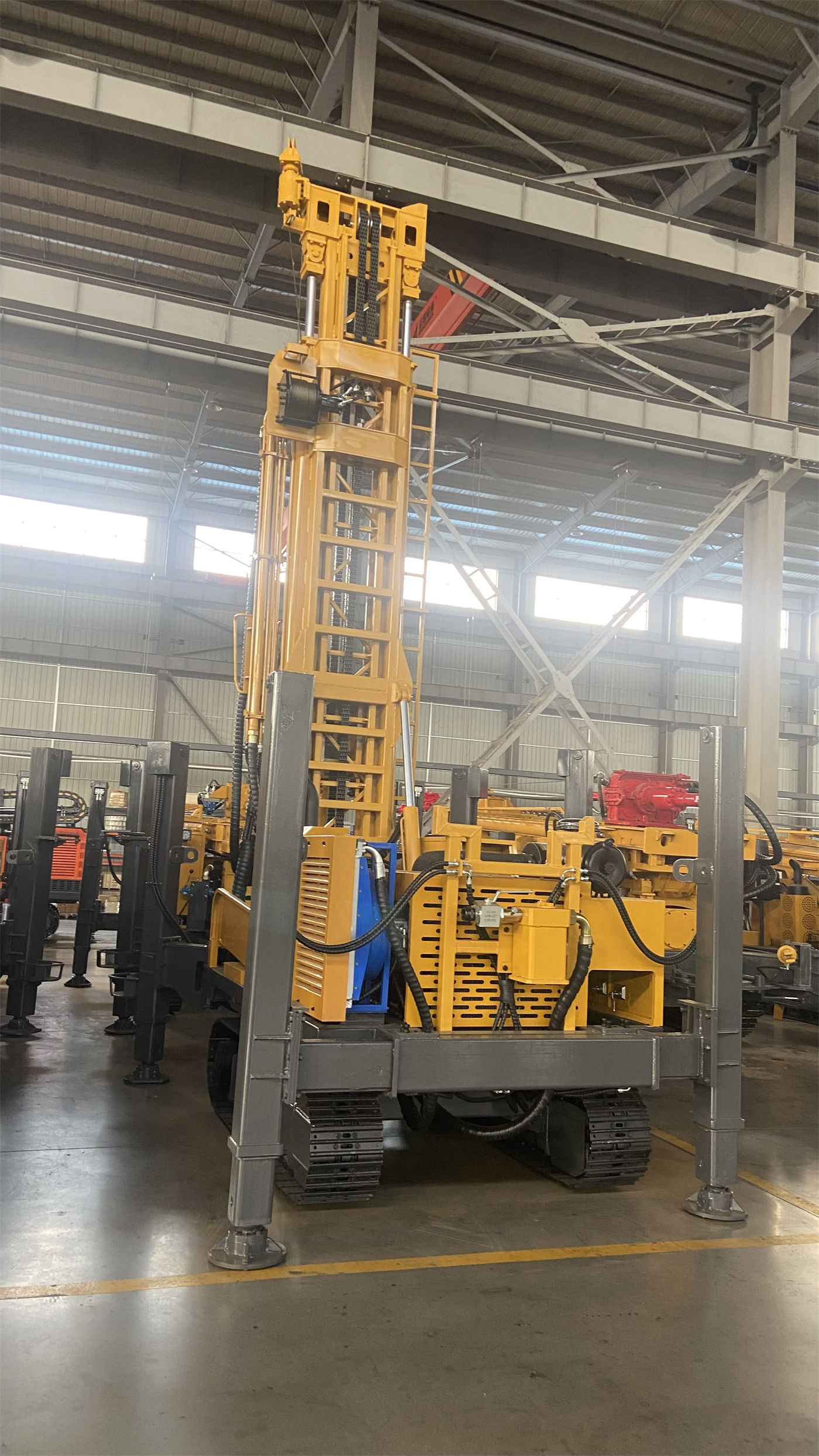
| Item | FR800 public specification | Which link it constrains |
|---|---|---|
| Hole diameter | 200–600 mm | Hole-forming target, while limiting drill pipe and drilling tool combination |
| Recommended drill pipe diameter | 89–245 mm | Matching space between drilling tool combination and hole diameter |
| Maximum rotary torque | 17600 N·m | Rock breaking and drilling tool drive under rotary method |
| Lifting force | 40 T | Pull-out of downhole drilling tools and deep-hole drill string management |
| Power head stroke | 9.6 m | Single advance length and number of pipe connections |
Drilling depth brings lifting force and torque in together
The 100–800 m depth range corresponds in the equipment materials to a set of values that work together. The 40 T lifting force and 17600 N·m maximum rotary torque published for the FR800 point to two things respectively: lifting force governs the pull-out of drilling tools and the axial load of the deep-hole drill string, while rotary torque governs the resistance that must be overcome when rotating this section during drilling.
When explaining lifting force, the materials state that greater lifting capacity is beneficial for deep-hole drilling, drilling tool pull-out, and construction under complex working conditions; when explaining torque, they state that it is suitable for drilling in loose layers and bedrock. Neither sentence directly binds a certain value to a certain depth. The deeper the depth, the more downhole influences the same set of drilling tools is subjected to, and the actual conditions under which it can go deeper are not equal to the nominal depth value itself.
Another set of values related to depth is the three drill pipe length options of 3 m, 6 m, and 9 m, as well as the 9.6 m power head stroke. The materials describe the role of the long stroke as helping improve drill pipe connection efficiency and reduce auxiliary operation time. The relationship between these three drill pipe options and the single advance length belongs to a trade-off at the construction organization level and does not change the rock-breaking capacity at the bottom of the hole.
The DTH hammer adds a hard condition outside the equipment
Among the three methods, the DTH hammer item is the easiest to read as purely an equipment capability. The materials' statement on this item includes a clear external premise: during actual construction, matching air compressors and DTH drilling tools need to be selected according to hole diameter, depth, and formation; during hard rock construction, the DTH hammer, drill bit, and air compressor should be reasonably configured.
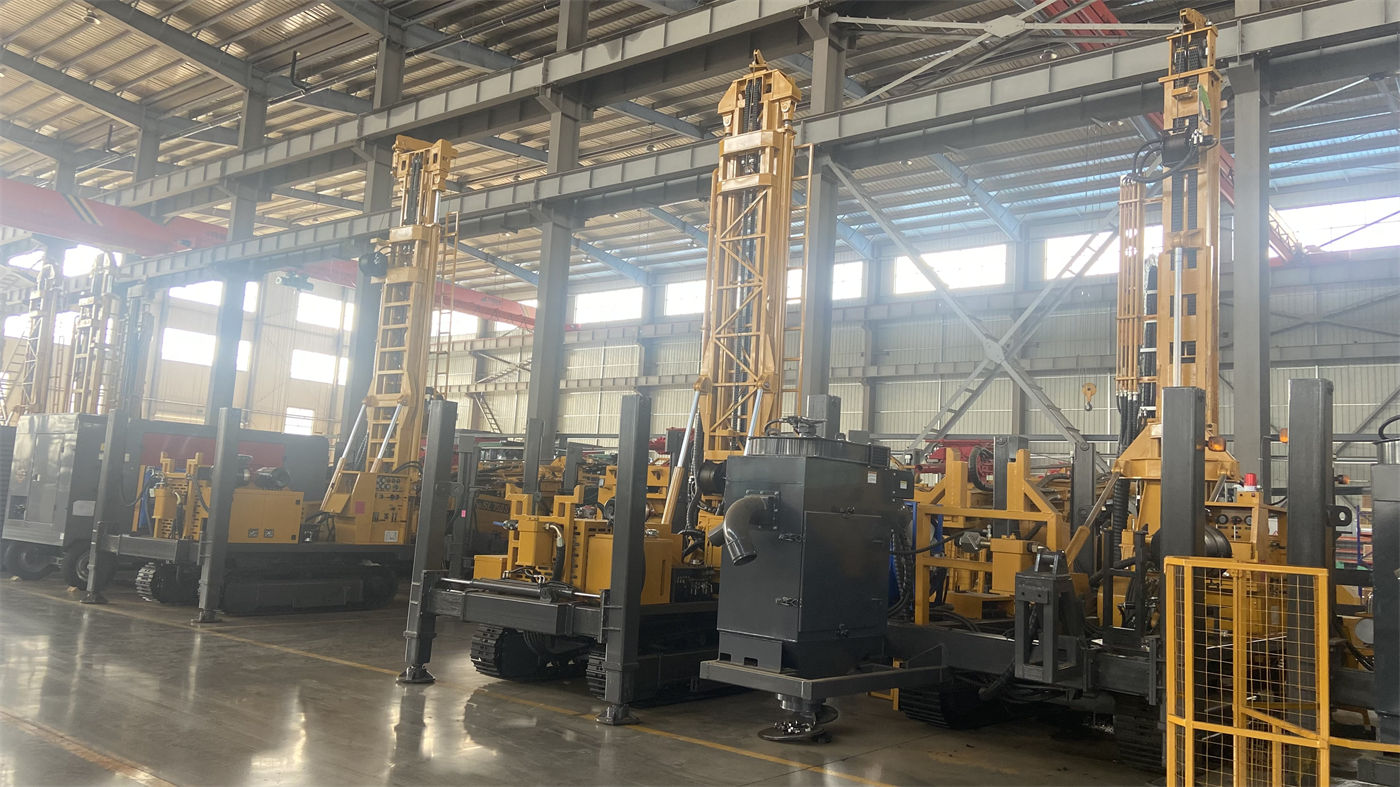
In other words, when choosing the percussion-rotary method, at least the DTH hammer specifications and air compressor parameters must be checked together. These two items do not appear in the FR800 parameter table and belong to project supporting equipment. When hole diameter and depth change, the matching requirements for these two items also change, and the materials do not give specific matching ranges.
The supporting equipment for mud drilling is likewise not in the equipment parameter table
The wording for the mud section is similar to that for the hammer: through reasonable configuration of mud pumps, drilling tools, and circulation systems, hole wall stability and cuttings removal are improved; mud drilling projects need to select suitable mud pumps and circulation systems according to hole depth and hole diameter.
The phrase "select according to hole depth and hole diameter" excludes mud pump specifications from the equipment's own parameters. The same FR800 has different circulation volume requirements in shallow holes and deep holes, and with small hole diameters and large hole diameters, so the mud pump needs to be matched separately. When constructing in loose layers or formations prone to hole collapse, the materials also mention that casing or mud wall protection should be adopted according to site conditions; this belongs to process selection, not the equipment's built-in capability.
Between the three methods and the two target values, what the materials give and do not give
Gathering the verified content, what can be confirmed is: the FR800's hole diameter range is 200–600 mm, maximum drilling depth is 100–800 m, it supports hydraulic rotary, DTH hammer, and mud drilling, maximum rotary torque is 17600 N·m, lifting force is 40 T, drill pipe lengths are 3/6/9 m, recommended drill pipe diameter is 89–245 mm, power head stroke is 9.6 m, and overall weight is 25 T.
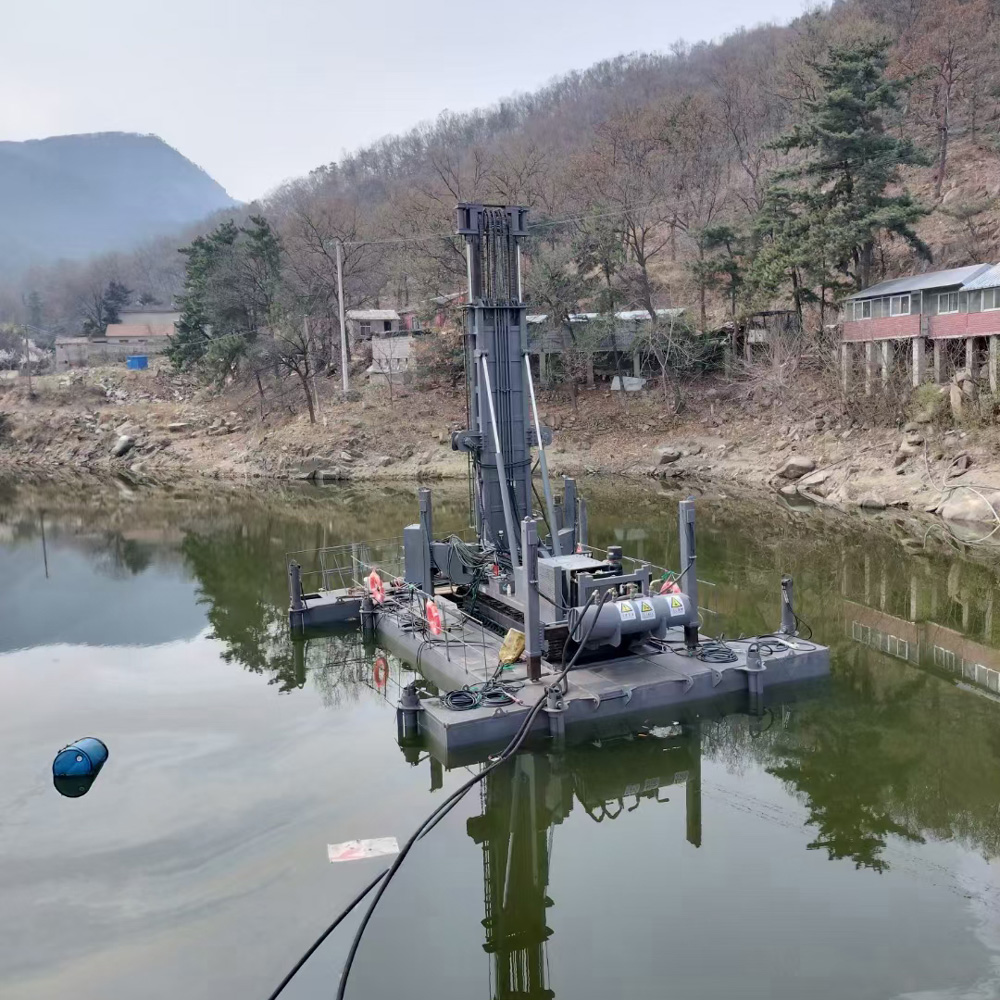
What also needs to be stated side by side is the part the materials do not give: they do not give the hole diameter range covered by each drilling method, do not give the corresponding drilling depth under different hole diameters, do not give the specific matching parameters of the air compressor and mud pump, and do not give a formation applicability table corresponding to each method. These contents are not in the parameter table and belong to matters that need to be confirmed item by item during the selection stage.
There is another statement in the materials related to the conclusion that is worth retaining: actual drilling depth and construction efficiency will be affected by formation hardness, hole diameter, drilling tool configuration, and construction process. The role of this sentence is to draw a boundary—the values listed above are equipment parameters, and when applied to a specific project they must be rechecked according to formation and process conditions.
The overall dimensions "7600-5900 × 2300 × 2780 mm" are organized according to the original parameter materials, and the final dimensions are subject to formal technical confirmation documents. Before the equipment enters the site, the bearing capacity of the construction site, transportation conditions, and equipment deployment space should be confirmed.