

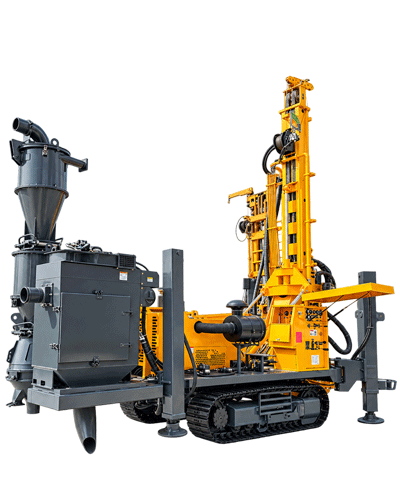
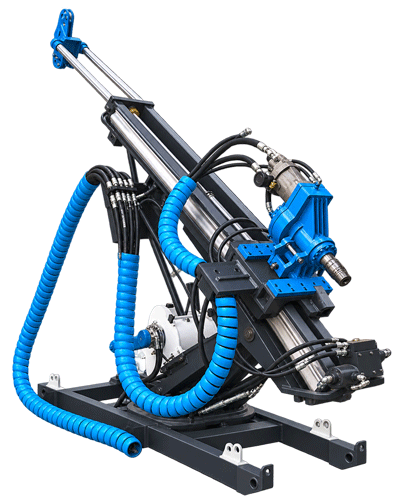
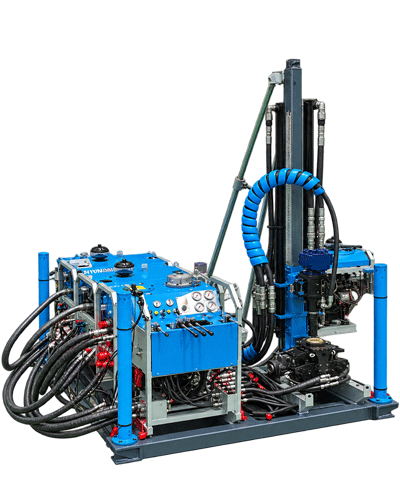
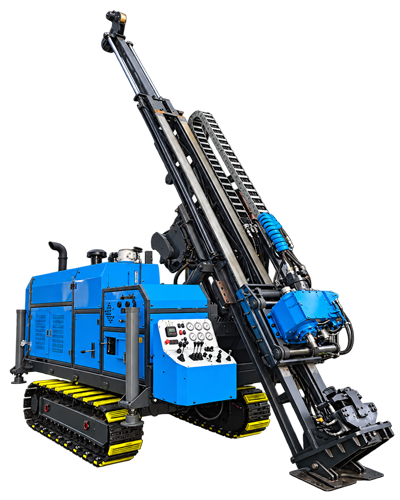
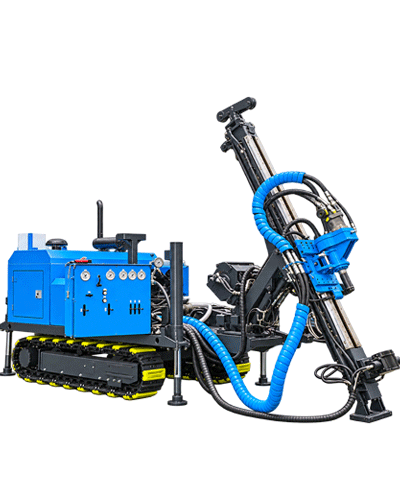
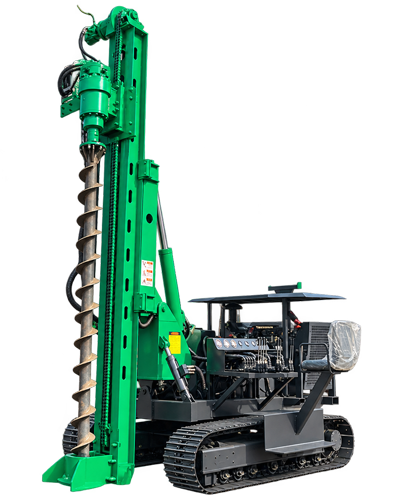
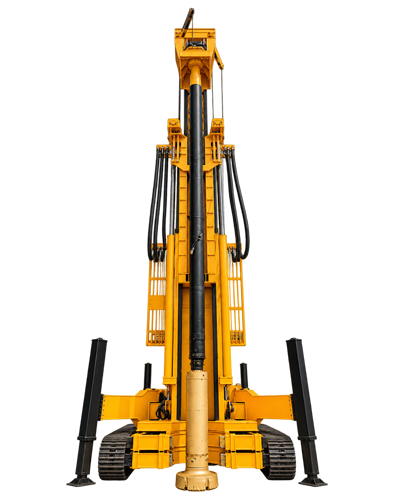
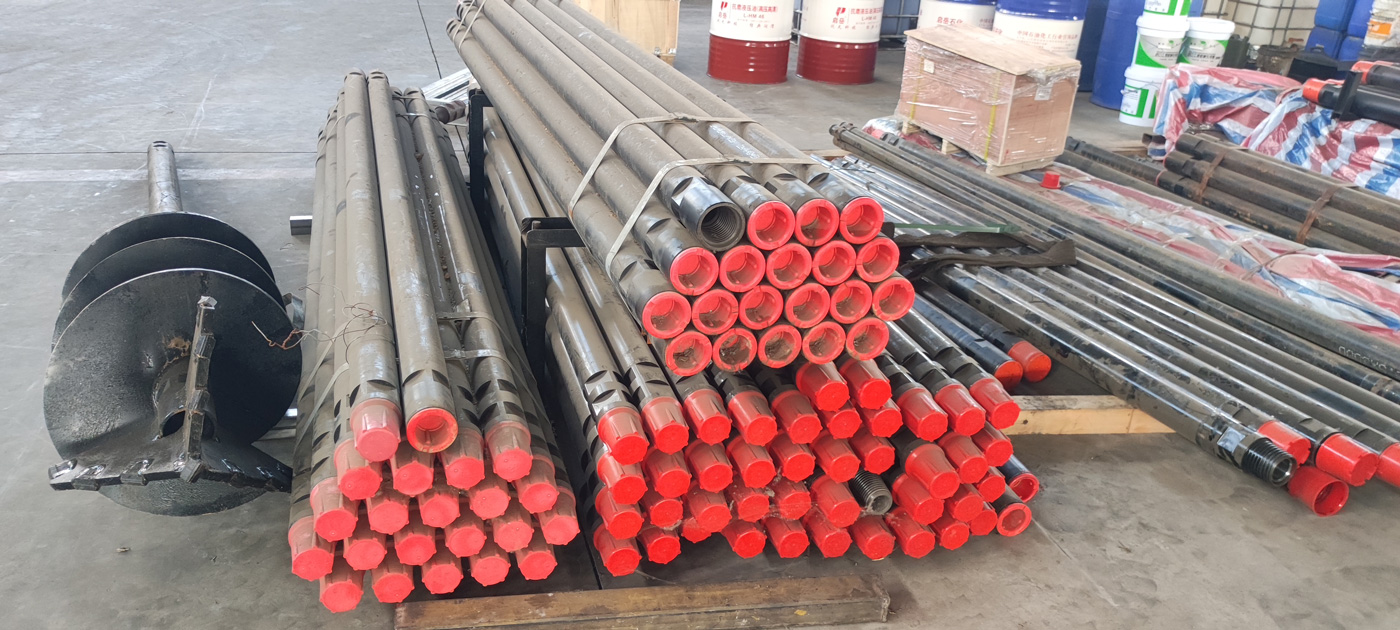
When selecting drill pipes for water well drilling, nominal specifications such as Φ102×6m are often judged as a whole for whether they are "suitable." In fact, the 102 mm outer diameter and the 6 m length refer to two different things: the former determines what kind of drill bit, hole diameter and drill string system this drill pipe can be matched with, while the latter determines whether it can fit into this rig's mast stroke and clamping structure. Only by separating the two dimensions can you tell which conditions can be checked against the source material and which must be measured back at the rig and on site.
The 102 mm outer diameter constrains matching relationships, not drilling capability
The source material lists 102 mm as one of the common drill pipe outer diameter specifications in water well drilling, and states that for projects requiring a balance of drilling capability, pipe body strength and versatility, this specification can serve as a matching drill pipe for various water well rigs. Note here that "balance" describes its position in terms of versatility, not a performance commitment for a particular formation or hole diameter.
What the outer diameter actually constrains are the following layers of matching:
- Relationship with borehole diameter: the drill pipe outer diameter must be smaller than the hole diameter, leaving channels for cuttings removal and annular space; the source material does not give the minimum hole diameter or annular clearance value corresponding to 102 mm, so "what hole diameter it matches" cannot be directly inferred from the outer diameter.
- Connection with drill bits and hammers: the source material states that this drill pipe can be used with rotary or percussion drilling processes, but the specific drill bit or hammer specifications must be confirmed together with the joint type.
- Versatility with existing drill string systems: the source material describes 102 mm as a common specification, meaning it is easier to find corresponding components in existing drill strings, but "common" does not mean it can directly connect to any rig.
The 6 m length must first pass the mast and clamping check
The source material's statement on the 6 m length is direct: a single-piece length helps reduce the number of rod connections during drilling and improves continuous operation efficiency; at the same time, it clearly notes that in actual use, whether the 6 m drill pipe matches the equipment should be confirmed in light of the rig's mast stroke, clamping structure and on-site working space.
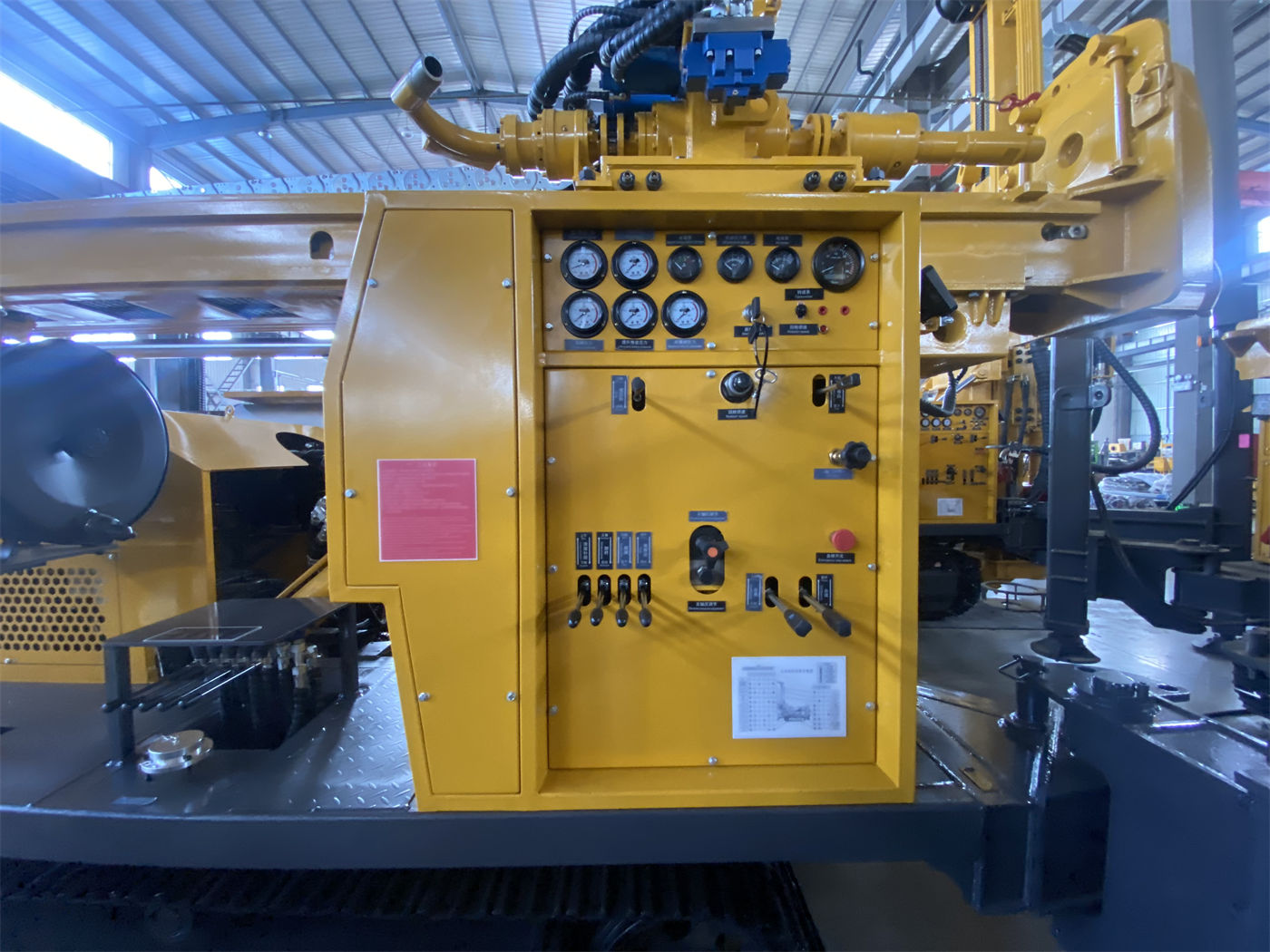
This sentence draws a clear boundary around the length issue. 6 m is the length of the drill pipe body, not the length the rig can advance in one pass. If the mast stroke is less than 6 m, a single drill pipe cannot be fully run in or pulled out within one feed stroke; if the clamping structure does not match the drill pipe outer diameter and joint dimensions, the rod connection and disconnection steps cannot proceed normally; if on-site working space is insufficient, raising and lowering the 6 m pipe body will also be limited.
Conversely, only if both the rig stroke and clamping conditions can accommodate a 6 m single piece can the benefit of fewer rod connections be realized in actual operation. The source material does not give specific figures for the reduction in connections, nor the efficiency improvement margin; this part can only be determined by specific rig parameters and construction organization.
Steel grade and thread: two options that require operating-condition input
The source material offers three steel grades: DZ50, R780 and G105, and states that the specific steel grade should be confirmed according to rig torque, well depth, formation and operating conditions. This is a conditional choice, not one picked by price or by habit. The three steel grades are listed side by side in the source material without their respective strength values, so it is impossible to judge from this which steel grade suits which well depth range.
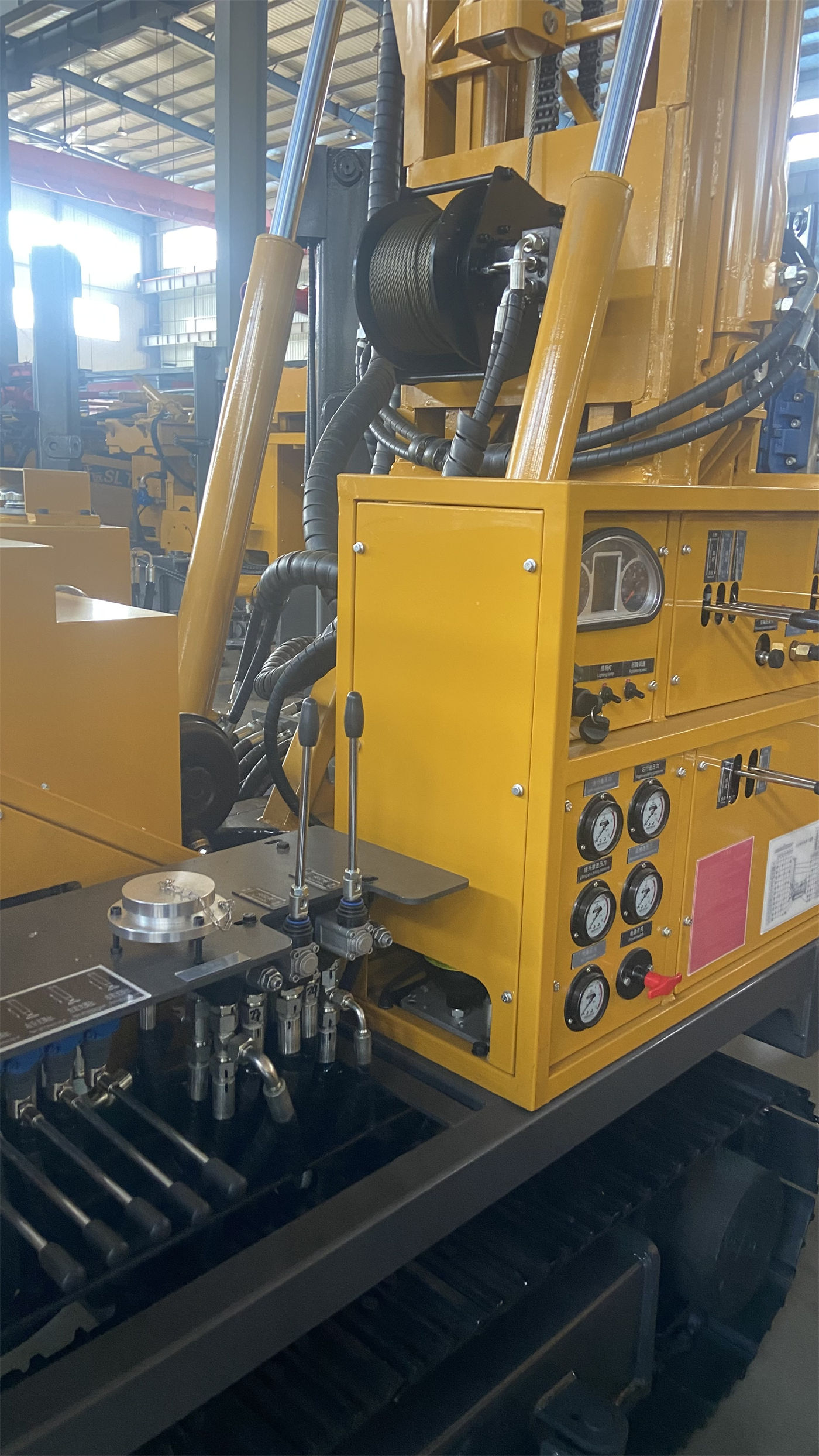
Regarding threads, the source material states that the thread type can be customized according to rig specifications, construction requirements and connection method, and the joint type is API standard joints or matched as required. When ordering, it is recommended to provide the rig model, existing drill pipe outer diameter, single-piece length, thread type, drilling purpose and construction formation; if the thread specification cannot be confirmed, photos of the joints and key dimensions can be provided for verification. The purpose of this information is to turn "customization" into dimensions that can be checked, rather than leaving it to be dealt with after shipment.
Putting the two dimensions into the same checklist
After separating outer diameter from length, known conditions and items to be confirmed can be listed side by side, avoiding writing only a model number when requesting a quote.
| Check item | Information given in the source material | Conditions requiring separate confirmation |
|---|---|---|
| Outer diameter 102 mm | One of the common specifications in water well drilling; can be used with rotary or percussion drilling | Target hole diameter and annular clearance; matching drill bit or hammer specifications |
| Length 6 m | Helps reduce the number of rod connections; must match mast stroke, clamping structure and working space | Specific dimensions of the rig's mast stroke and clamping structure |
| Steel grade | DZ50 / R780 / G105 available | Rig torque, well depth, formation and operating conditions |
| Thread and joint | Customization supported; API standard joints or matched as required | Existing drill pipe joint specifications or thread dimensions, joint photos |
| Application scenarios | Agricultural irrigation wells, industrial water supply wells, municipal water supply wells, groundwater exploration | The specific well depth range corresponding to the phrase "shallow to medium depth" |
The phrase "shallow to medium depth" in the last row of the table is the wording of the source material and does not give a meter range. If the project well depth approaches the upper end of this description, the drill pipe information alone is not enough to judge; it must be considered together with rig capability, drill string assembly and formation conditions.
Application boundaries and what the source material does not cover
The source material states that this drill pipe can be used for projects such as agricultural irrigation water wells, farm water supply, industrial water, municipal drinking water projects and groundwater exploration, covering the common shallow to medium depth water well construction needs; it also notes that different geological conditions, rig parameters, drill string assemblies, drilling angles and operating methods will affect the actual performance and service life of the drill pipe, and the final result is subject to on-site conditions and actual technical matching results.
The following items have no values or conclusions in the existing source material and are matters to confirm with the manufacturer before ordering: the recommended hole diameter range and annular clearance corresponding to the 102 mm outer diameter; the mechanical indicators of each of the three steel grades; the specific lower limit requirement of the 6 m length on mast stroke; the processing lead time for custom threads and the verifiable inspection methods. Regarding protection, the source material mentions that rust preventive oil and thread protectors can be used for transport protection of the drill pipe and joints, and that common specifications can be shipped according to stock availability—these two points concern supply and transport arrangements and do not constitute a commitment regarding service life in the hole.
Therefore, to judge whether this drill pipe is suitable, the order is not to look at the model first, but to first gather the three items—target hole diameter, rig mast and clamping conditions, and existing joint specifications—and then see whether steel grade and thread customization can fall within these three items. Once the segments constrained by outer diameter and length respectively line up, what remains is a question of price and delivery time.