












When planning a water well, well depth and diameter are usually determined first, but these two numbers do not directly tell you which drill pipe to use. They are first translated into several drilling tool conditions: whether the drill pipe outer diameter can match the drill bit and rig, whether the single length suits the mast stroke, whether the pipe body strength can cover the load at the planned well depth, and whether the joint thread can connect with existing drilling tools. Clarifying this correspondence makes it less likely to focus only on the two numbers "how thick and how long" when configuring drill pipes.
How Well Depth and Diameter Each Change Drill Pipe Conditions
Diameter mainly affects the fit between the drill pipe, drill bit, and borehole wall. Once the hole diameter is determined, the drill pipe outer diameter must be able to transmit torque and flushing fluid through the drill string assembly while matching the drill bit connection type. Well depth, on the other hand, mainly affects pipe body strength and joint reliability: the deeper the hole, the heavier the drill string, and the more obvious the tension, torsion, and wear the drill pipe experiences, so the selection of steel grade and joint type cannot simply copy shallow-hole configurations.
These two conditions are not independent. At the same well depth, a large-diameter borehole means greater cuttings discharge and higher torque demand; at the same diameter, a deep hole requires stronger load-bearing capacity from the pipe body and joints. Therefore, when selecting drill pipes, well depth, diameter, rig torque, and formation should be considered together, rather than choosing a specification first and then adjusting conditions afterward.
Data Conditions for Φ102×6m Water Well Drill Pipe
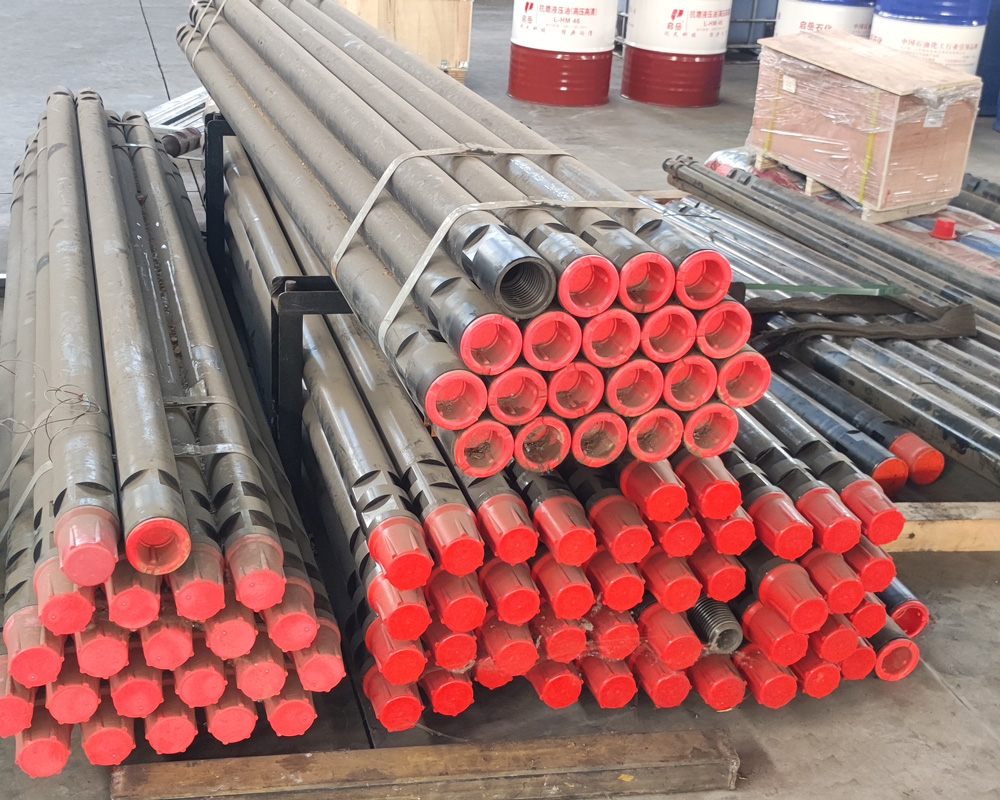
The Φ102×6m water well drill pipe associated with this article has the following main parameters from public information: outer diameter 102 mm, single length 6 m, steel grade options DZ50, R780, G105, thread type customizable according to rig specifications, joint type options API standard joints or matched as required, applicable processes include rotary drilling and percussion drilling, and main uses are water well drilling, water supply wells, irrigation wells, and groundwater exploration.
These data are not selection conclusions in themselves, but can serve as reference conditions to check whether a well's drilling tool configuration falls within their described scope.
What Type of Fit Does the 102 mm Outer Diameter Correspond To
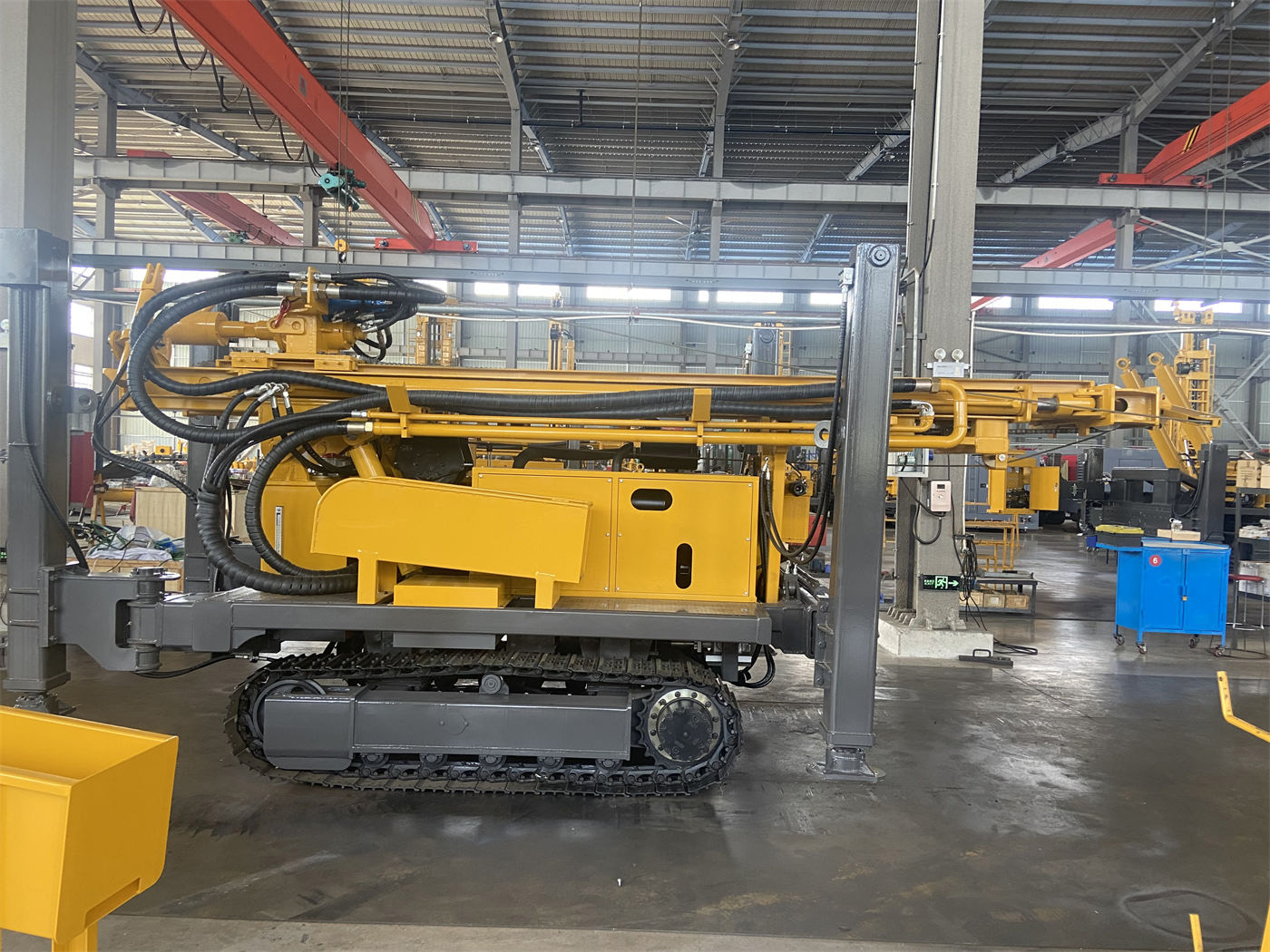
The information lists 102 mm as one of the common drill pipe outer diameter specifications in water well drilling, positioned to balance drilling capability, pipe body strength, and versatility. For the construction party, this outer diameter must first answer: whether the existing rig's power head or rotary mechanism can grip it, whether the drill bit connection dimensions match, and whether the drill string assembly has sufficient annular return space for cuttings under the target hole diameter.
If the well diameter is large, cuttings discharge is high, or the rig torque is significantly higher than conventional water well configurations, whether the 102 mm outer diameter is still suitable needs separate verification based on rig parameters and drill string assembly. The information does not provide data on its cuttings discharge capacity under various hole diameters, and this part cannot be inferred from the outer diameter alone.
What the 6 m Single Length Changes Is the Pipe Connection Rhythm
The information states that the 6 m single length helps reduce the number of pipe connections during drilling and improves continuous operation efficiency. This judgment holds provided that the rig mast stroke, gripping structure, and on-site working space can accommodate 6 m drill pipes. If the mast stroke is short or space around the well site is limited, the connection and disconnection operations of 6 m drill pipes may instead increase layout difficulty.
Therefore, the 6 m length is not a case of longer being better; it must be confirmed together with the rig's feed stroke and on-site operating space. The information also explicitly notes that in actual use, whether the 6 m drill pipe matches the equipment should be confirmed in conjunction with the rig mast stroke, gripping structure, and on-site working space.
Steel Grade Selection Corresponds to Load Conditions, Not Price Tiers
The three steel grades DZ50, R780, and G105 provide options for different construction intensities, rig configurations, and project requirements. The information points out that the specific steel grade should be confirmed based on rig torque, well depth, formation, and operating conditions.
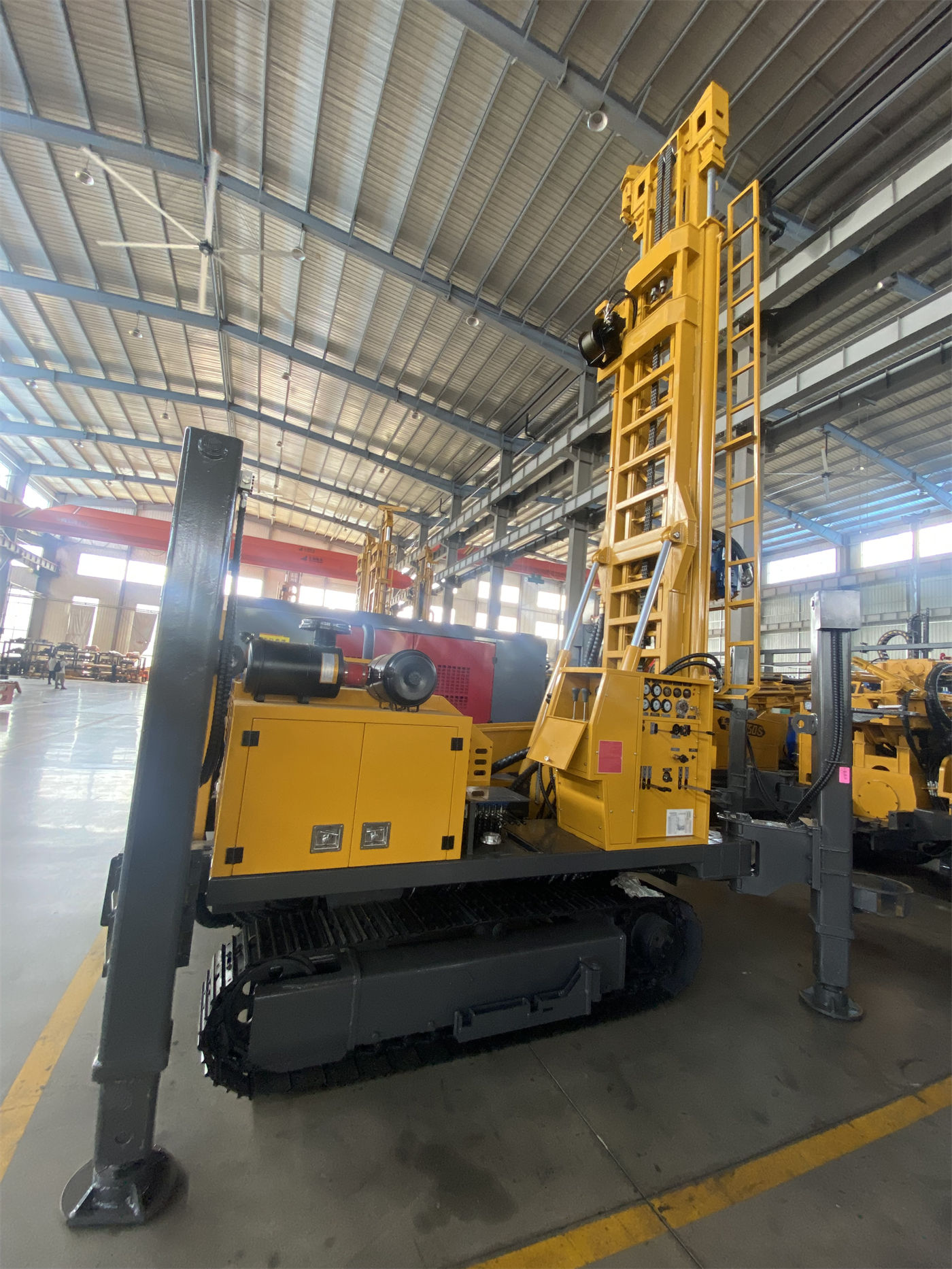
This means the steel grade is not an option independent of well depth and diameter. With the same outer diameter and length, deep wells, hard formations, or high-torque rigs may require higher pipe body strength; shallow wells and soft formations may not necessarily need the highest steel grade. The information does not provide specific well depth limits or torque limits for each steel grade; in actual selection, the rig model, planned well depth, and formation information need to be provided to the supplier for verification.
Threads and Joints Are the Prerequisite for Whether the Entire Drill String Can Connect
Rigs of different brands and models may use different thread connection forms. The information states that this product supports thread customization; before ordering, it is recommended to provide the existing drill pipe joint specifications or clear thread dimension information; if the thread specification cannot be confirmed, photos of the joint and key dimensions can be provided for matching verification.
This step is easily left to the end, but it actually determines whether the new drill pipe can form a set with existing drill pipes, drill bits, and other drilling tools. Even if the outer diameter and length match, if the thread does not match, the drill pipe still cannot enter the drilling process. The joint type options of API standard joints or matching as required also indicate that the connection method needs to be confirmed as an independent condition before procurement.
Supporting Conditions and Application Boundaries
The information describes the applicable scenarios of this drill pipe as agricultural irrigation water wells, farm water supply, industrial water use, municipal drinking water projects, and groundwater exploration, covering common shallow to medium-depth water well construction needs, and can be used with rotary or percussion drilling processes. These descriptions give a general range, but do not convert "shallow to medium depth" into specific well depth values, nor do they explain its performance in ultra-deep wells or extreme formations.
In actual construction, formation conditions, target well depth, borehole diameter, rig torque, and the drill bit or impactor used all affect the selection of the drill string assembly. The information also states in the precautions that different geological conditions, rig parameters, drill string assemblies, drilling angles, and operating methods will affect the actual use effect and service life of the drill pipe, and the final result shall be based on on-site working conditions and actual technical matching results.
Therefore, when placing this drill pipe into a specific water well project, at least the following items need to be verified simultaneously:
- Rig model and torque range, to confirm whether the 102 mm outer diameter and 6 m length can be gripped and fed by the equipment;
- Planned well depth and formation description, to determine which steel grade among DZ50, R780, and G105 needs further confirmation;
- Thread specifications of existing drill pipes or drill bits, to confirm whether the customized thread can connect with the entire drill string;
- Borehole diameter and drill string assembly, to confirm whether annular cuttings return conditions are satisfied;
- Transportation and on-site storage conditions; the information mentions that rust preventive oil and thread protectors can be used for transport protection, and this item needs to be arranged in advance for long-distance transport or export.
Items Still to Be Confirmed Before Ordering
The information recommends providing rig model, existing drill pipe outer diameter, single length, thread type, drilling purpose, and construction formation information when ordering. These pieces of information correspond to whether the drill pipe can match the rig, drilling tools, and operating conditions, rather than simply confirming stock specifications.
If the project well depth exceeds the described range of "shallow to medium depth," or the formation conditions are obviously complex, the information does not provide corresponding steel grade recommendations and service life judgments. In this case, it is not advisable to directly apply the existing specifications; instead, the rig parameters, well depth, diameter, and formation should be submitted to the supplier for verification. The drill pipe is a connecting component in the entire drill string, and its applicability ultimately depends on the matching results with the rig, drill bit, and process; looking only at outer diameter and length is insufficient to draw a conclusion.