












In mineral exploration using reverse circulation drilling, a common expectation is that cuttings return through the inner tube of the drill rods without passing through the borehole annulus, so the sample naturally represents the depth from which it came. This understanding is only half correct. Inner-tube sample return does shorten the cuttings return path and reduce the chance of contact with other formations along the borehole wall, but sample representativeness is also affected by whether hole cleaning is thorough, how transition samples are handled during rod connections and when drilling resumes after a stop, whether the air supply is stable, when falling blocks from fractured zones return, and whether sample bags correspond one-to-one with depth records. Only by looking at equipment selection and sampling management separately is it easy to judge what a reverse circulation drilling rig can provide in a specific project and what it cannot replace.
The goal is not "returning to surface" but "returning the segment corresponding to that depth"
When collecting cuttings samples at fixed advance intervals, geologists want each sample bag to correspond to a clear start and end depth and to judge the formation in that interval through changes in color, alteration, sulfides, and mineralization. The inner-tube return channel of reverse circulation provides a more controllable path for this than the annulus, but the time lag from hole bottom to surface, the sealing condition at rod connections, and fluctuations in air compressor supply can all mean that the cuttings returning at a given moment may not come from the interval currently being drilled. Therefore, judging whether an RC rig is suitable cannot rely only on whether it is "reverse circulation"; it also depends on whether the sample return process is continuous, whether the splitting steps are controllable, and whether the site has the conditions for depth-based segment management.
What inner-tube sample return changes and what it does not
Information shows that reverse circulation drilling relies on dual-wall drill rods to establish an independent sample return channel, with cuttings mainly returning through the inside of the drill rods rather than rising along the annulus outside the rods. This path shortens the distance over which samples contact other formations along the borehole wall and helps reduce the probability of cuttings from different depths mixing with each other. But the information also makes clear that final sample representativeness is still related to hole cleaning, rod connections, sample return stability, and on-site sampling management.
- Hole cleaning: If residual cuttings in the hole are not fully discharged before drilling continues, material from the previous interval may mix into the next sample.
- Rod connections: Each added drill rod interrupts the continuity of sample return, and samples at the beginning of resumed drilling need to be handled separately according to on-site procedures.
- Sample return stability: When air supply pressure and flow fluctuate, the rhythm of cuttings return changes, and the depth correspondence becomes blurred.
- On-site sampling management: Whether sample bag numbers, start and end depths, dates, and borehole numbers match the on-site records determines whether later data can be traced.
None of these four items is automatically solved by the words "reverse circulation." What the equipment can provide is the sample return channel and the splitting process; the sampling system still must be formulated and implemented by the project party.
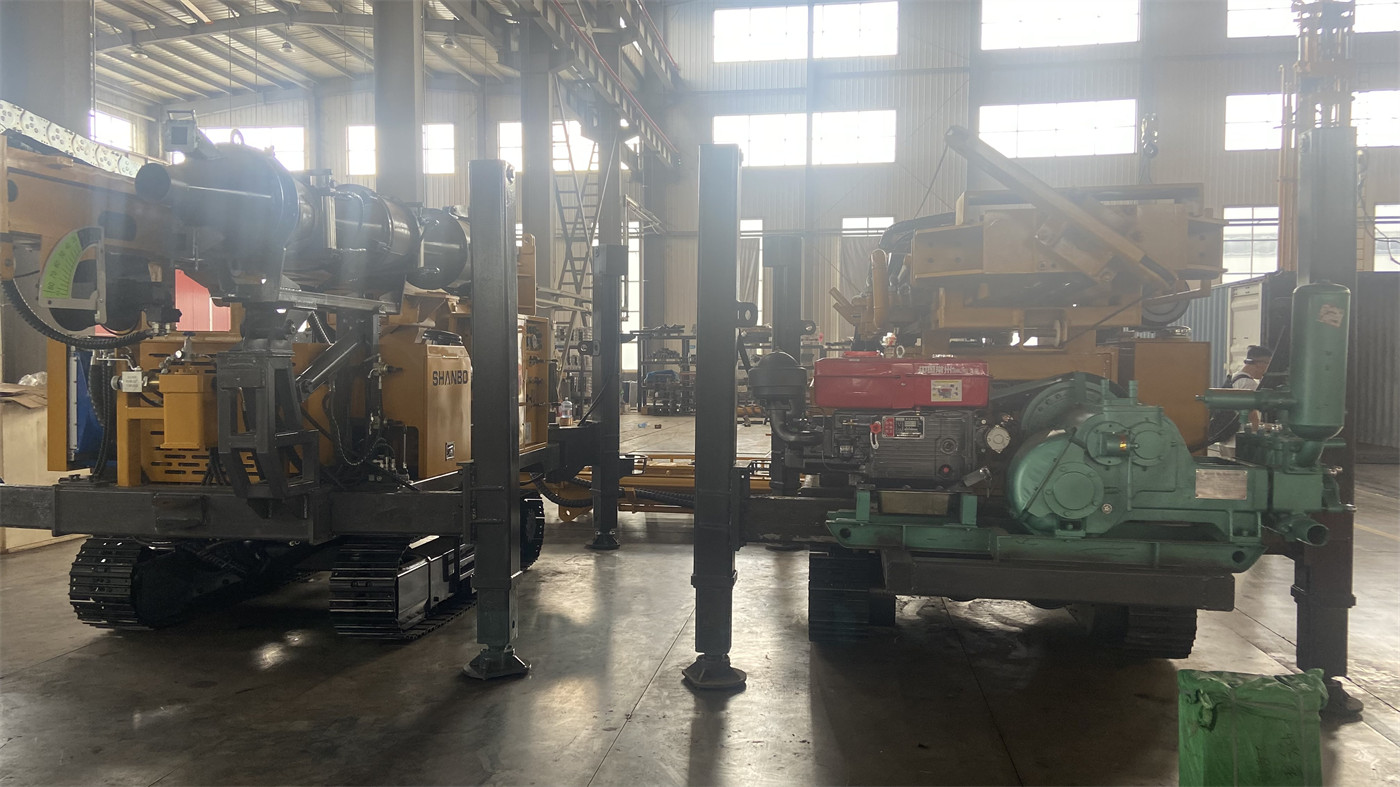
What an integrated splitting process reduces is intermediate steps
Information on the RC500-CS3 shows that this model integrates the CS3 three-in-one cyclone sampling system, combining cyclone separation, representative splitting, and sample collection in the same unit. After cuttings generated by drilling return to surface through the inner tube of dual-wall RC drill rods, they directly enter the cyclone system, where high-speed airflow is separated from solid particles, and then a splitting mechanism forms samples that can be used for geological records and assay. The information describes this as reducing repetitive operations in ground transfer and manual sample splitting, making it more suitable for continuous exploration holes and large-batch sample collection tasks.
Looking back at the goal of "sample representativeness," the value of integration lies in reducing operational differences caused by manual sample pouring, secondary splitting, and multiple transfers. The fewer the steps, the fewer opportunities there are for samples to be mislabeled, mixed, or lost during transfer. But reducing intermediate steps does not equal automatically guaranteeing depth correspondence; samples from the splitting mechanism still need to be bagged by fixed advance interval, numbered, and matched bag by bag with on-site records.
Fractured zones and loose layers are where depth correspondence is most prone to problems
The information mentions that in fault fracture zones, breccia, and formations with well-developed fractures, falling blocks from the borehole wall may remain temporarily in the hole and then return in a concentrated manner, thereby affecting the correspondence between samples and depth. Such situations cannot be eliminated by equipment model; what can be done on site is to control the advance rate in anomalous hole sections, maintain stable air supply, and have geologists add records and, when necessary, separately note sample quality conditions.
Upper soil layers, clay, sand layers, and gravel layers are also not necessarily suitable for direct RC pneumatic drilling. Information shows that the RC500-CS3 also supports mud rotary drilling, so the upper hole section can first be stabilized using mud, casing, or other methods, and then reverse circulation or DTH processes can be switched to after entering rock formations. The significance of this for sample representativeness is that if the upper loose layers are not stabilized, collapse material from the borehole wall entering the sample return channel will also affect the credibility of samples from lower rock formations. Choosing the drilling method and wall protection measures is itself creating conditions for sample quality.
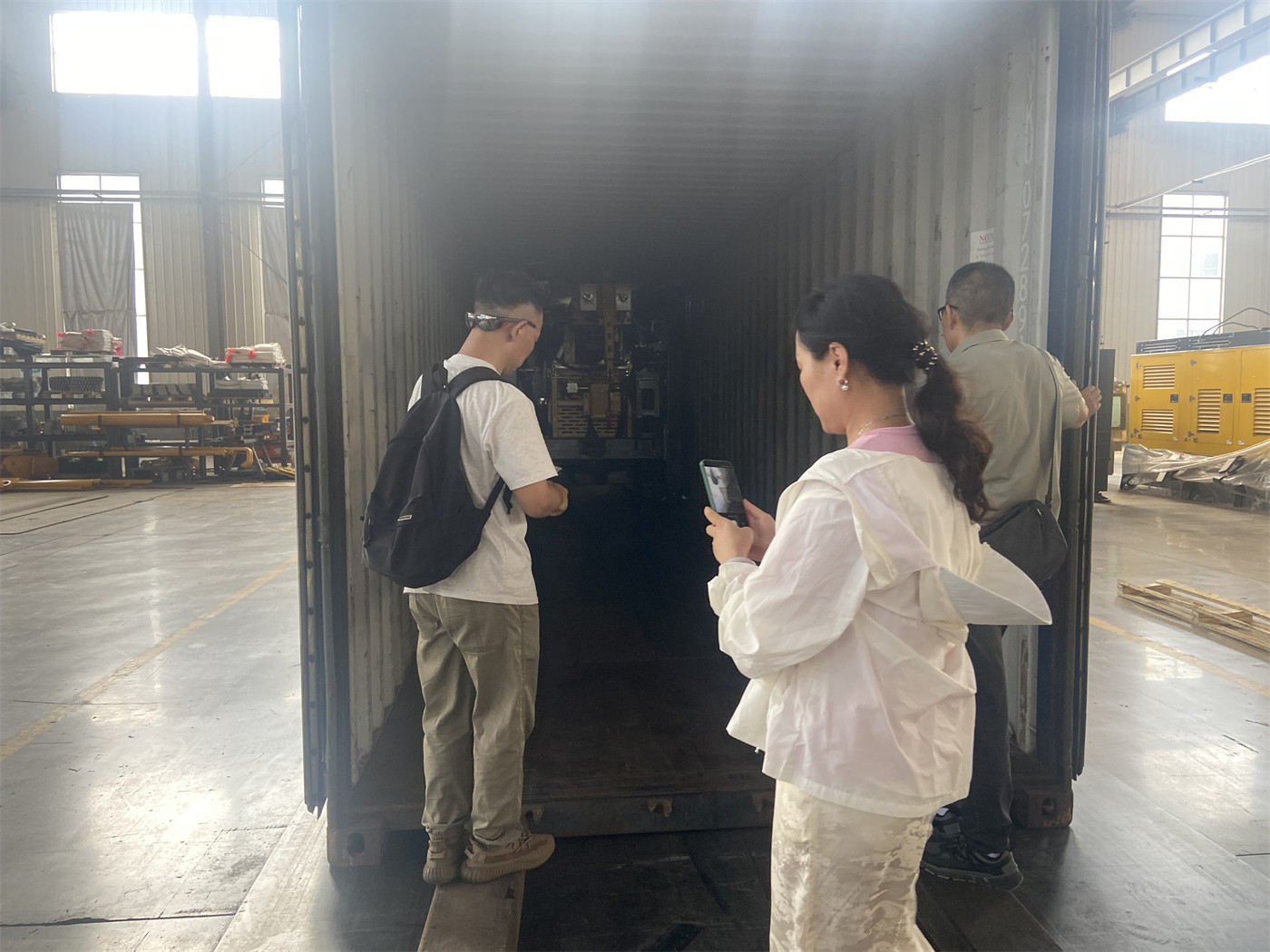
Equipment conditions supporting sample return continuity
Reverse circulation sampling places higher demands on air supply than simple hole formation. The information gives a recommended working air pressure of 1.6–6 MPa and a recommended air consumption of 16–55 m³/min for the RC500-CS3, and explains that for 500-meter-class RC drilling, the air compressor must not only drive the down-the-hole hammer but also handle the task of returning cuttings at high speed from the inner tube to surface; actual selection should take into account hole diameter, RC hammer specifications, altitude, and rock hardness. This means that the air pressure and air consumption ranges in the equipment information are only a starting point for selection, and the site must also calculate continuous air supply capacity according to hole depth, hole diameter, and formation.
Also related to the sample return rhythm are rotation and lifting parameters. This model has a maximum drilling depth of 500 m, a hole diameter of 105–400 mm, a lifting force of 25 T, an axial pressure of 7 T, a maximum rotation torque of 10000 / 5000 N·m, corresponding to maximum rotation speeds of 75 / 150 r/min. At 500-meter-class hole depths, the self-weight of the drill rods and borehole wall friction are higher than for shallower models, and lifting capacity affects the smoothness of tripping and RC rod handling; the dual working conditions of torque and rotation speed correspond to different hole diameters and section resistance. The information also notes that if abnormal tripping resistance occurs, it should first be judged and handled through hole cleaning and process measures, and it is not recommended to rely directly on maximum lifting force to pull the drill string forcefully. For sampling, whether hole cleaning is adequate directly affects whether the next sample interval is clean, and this deserves more attention in construction organization than the maximum lifting force figure.
From the collar to the laboratory, the record chain must not break
The information states sample management requirements very specifically: each sample bag should be marked with borehole number, start and end depths, date, and sample number, and on-site records should correspond one-to-one with sample bags; for ore samples requiring laboratory analysis, duplicate samples, blank samples, and standard samples should also be set according to project quality control requirements. These practices are unrelated to whether the three-in-one system is integrated and are basic conditions of sampling management. A rig being able to produce samples continuously does not mean the samples are naturally ready for submission; if the numbering breaks at one point, the data for that depth interval becomes difficult to trace.
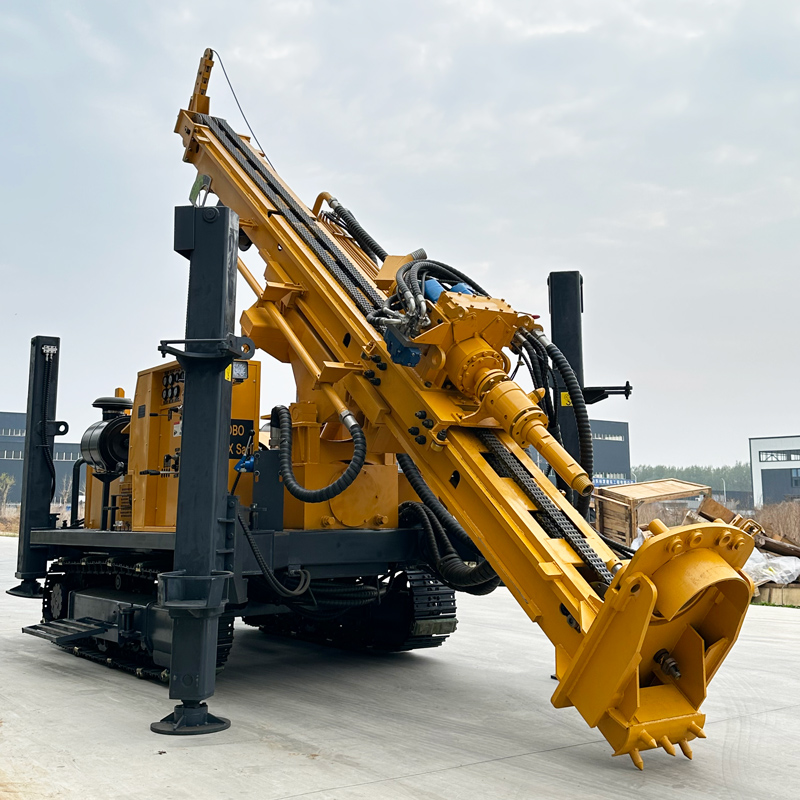
Under what conditions this equipment is worth including in comparison
If the project goal is to quickly establish cuttings control points at fixed advance intervals over a relatively large depth range for judging lithology, alteration, and mineralization trends, and the site has the organizational capacity for stable air supply, sample splitting, and numbering management, then the RC500-CS3 with the CS3 three-in-one system is worth including in comparison. Its 500 m drilling depth, 105–400 mm hole diameter, and 45°/90° working angles correspond respectively to medium-deep hole exploration, different hole diameter requirements, and orebody crossing angles for inclined orebodies; the crawler chassis and 132 kW Cummins power serve mine site relocation and the power needs of the entire RC system.
However, if the project requires complete drill core, stratigraphic relationships, and structural contacts, the information content of reverse circulation cuttings samples is insufficient to replace coring; in that case, core drilling should be the main line, with RC drilling used as a rapid control method in support.
Matters still to be confirmed before selection and start-up
- Target hole depth, hole diameter, and formation sequence determine how RC drilling and mud rotary drilling are combined in sections.
- The continuous pressure and flow of the air compressor at the planned hole depth and diameter need to be calculated separately according to altitude and rock hardness, and selection cannot be based only on the information ranges.
- Whether the on-site sampling system clearly defines transition sample handling, annotation of anomalous hole sections, and setting of duplicate samples.
- Who is responsible for sample bag numbering and on-site records, and how they are checked, need to be determined before start-up.
- The wall protection plan for fractured zones and loose overburden, and whether mud or casing procedures need to be added before RC.
- Site area, road load-bearing capacity, and access conditions corresponding to the machine's weight of approximately 12 T.
Sample representativeness is the result of both equipment conditions and on-site management. The reverse circulation inner tube and CS3 system address the sample return path and splitting process, while hole cleaning, rod connection transitions, air supply stability, formation anomalies, and record traceability still need to be implemented item by item in construction organization.