












In large-diameter foundation hole construction, whether drilling proceeds smoothly is rarely determined by a single capability. Equipment data often list lifting force and rotary torque side by side, but they constrain different stages of the process: lifting force is more associated with drill string tripping, the suspended weight of deep-hole drill strings, and the margin for handling downhole abnormalities; rotary torque acts directly on bit rotation and rock breaking and is affected by hole diameter, formation resistance, and drill string assembly. Comparing the two together can easily lead to focusing on only one figure during selection while ignoring the work stage corresponding to the other. Using public information on the FR800 as a reference, the following explains which stage each of these two capabilities governs, and under what conditions they need to be checked together.
First distinguish the processes corresponding to the two capabilities
Large-diameter hole drilling can be roughly divided into two stages: drilling and tripping. The core of the drilling stage is the bit breaking rock and soil at the bottom of the hole; the rotary torque output by the power head is transmitted to the bit through the drill pipe, and the larger the hole diameter and the harder the formation, the higher the rotational resistance usually is. The core of the tripping stage is pulling the drill string out of or lowering it into the hole; the lifting force must cover the drill string weight, borehole wall friction, and possible sticking. When lifting force is insufficient, deep-hole pulling becomes passive; when torque is insufficient, hard-rock sections or large-diameter bits may encounter rotational difficulties. The two capabilities serve different processes and cannot replace each other.
The correspondence between the two capabilities in FR800 data
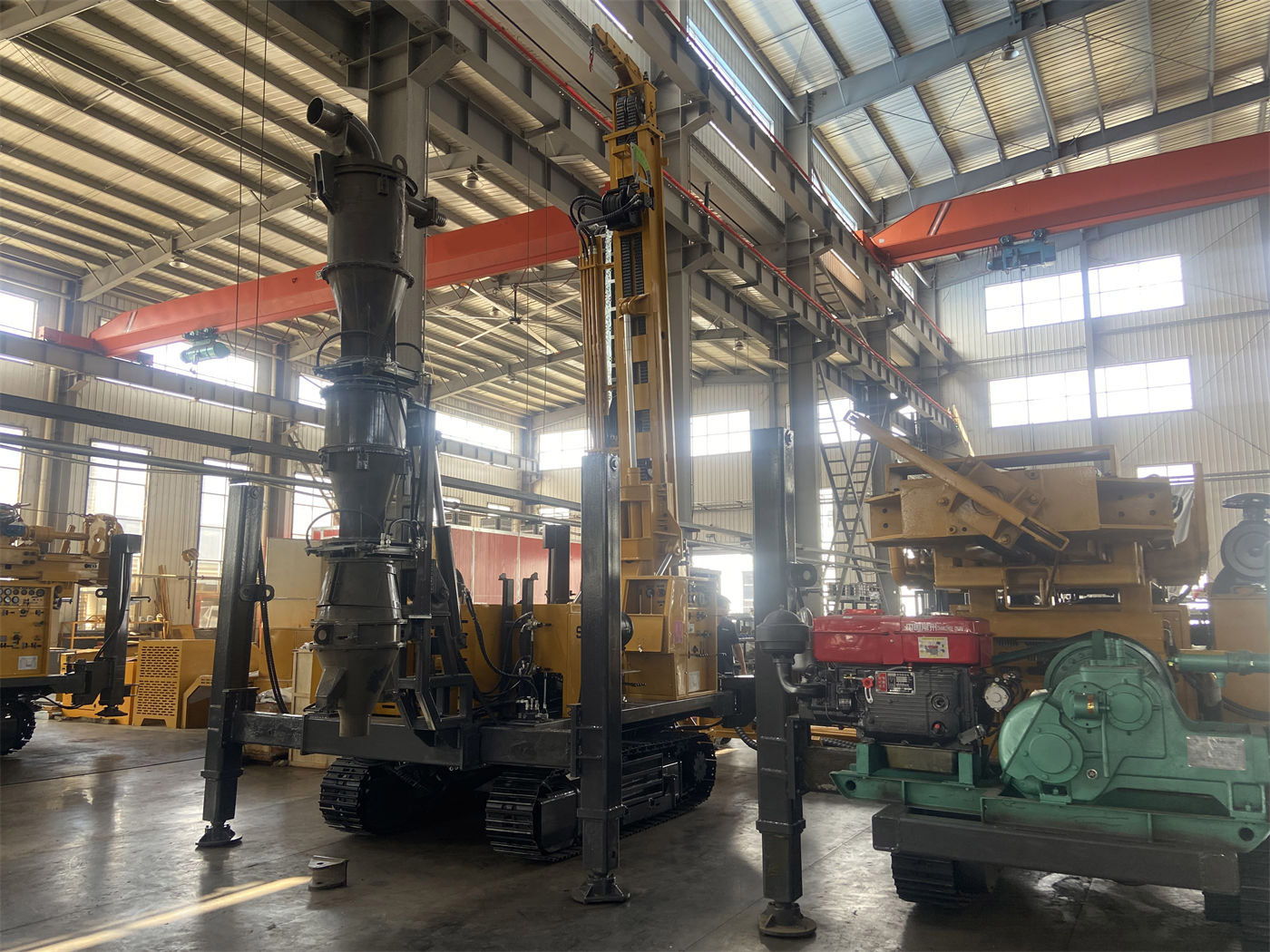
The data for the FR800 crawler foundation drilling rig give the following parameters: maximum drilling depth 100-800 m, drilling diameter 200-600 mm, lifting force 40T, maximum rotary torque 17,600 N·m, power head stroke 9.6 m, and maximum rotary speed 20-60 r/min. It supports three methods: hydraulic rotary drilling, down-the-hole hammer drilling, and mud drilling, and is suitable for loose layers and bedrock. Looking at these parameters in terms of the process, the 40T lifting force corresponds to deep-hole drill string tripping and the margin for handling complex conditions, while the 17,600 N·m maximum rotary torque corresponds to the ability to drive the drill string in rotary rock breaking during hydraulic rotary drilling. The two are not the same thing, and there is no conversion relationship by which "more torque means less lifting force is needed."
Different drilling methods place different requirements on the two capabilities
For the same hole diameter and hole depth, changing the drilling method changes the distribution of pressure on lifting force and torque. Hydraulic rotary drilling relies on the torque output by the power head to drive the drill string in rotation; torque directly participates in rock breaking and is the most intuitive use scenario for this capability. In down-the-hole hammer drilling, rock breaking is mainly handled by the hammer, and rotation is more responsible for turning the drill string and maintaining position, but drill string loads in hard-rock sections and pulling resistance still exist, so lifting force cannot be relaxed on that account. Mud drilling is used in loose layers and collapse-prone formations for wall protection and cuttings removal; borehole wall stability and drill string friction will change the actual load during pulling. All three methods are listed as options in the data, but for a specific project, the matching air compressor, mud pump, and drill string assembly need to be confirmed separately.
When hole diameter and hole depth change, the two capabilities are affected differently
As hole diameter expands from 200 mm to 600 mm, bit rotational resistance usually rises, placing more direct demands on rotary torque; as hole depth increases from 100 m to 800 m, drill string length and suspended weight increase, tripping time and pulling load become more prominent, and the significance of lifting force rises accordingly. These are two pulls in different directions and cannot be summarized by a single figure. The FR800 data list the hole diameter range and drilling depth range side by side; during actual construction, it is still necessary to check against the target hole diameter, final hole diameter, formation structure, and drill string configuration, and it should not be assumed that any combination is valid just because the maximum values are listed.
If supporting conditions are not in place, the significance of a single capability is limited
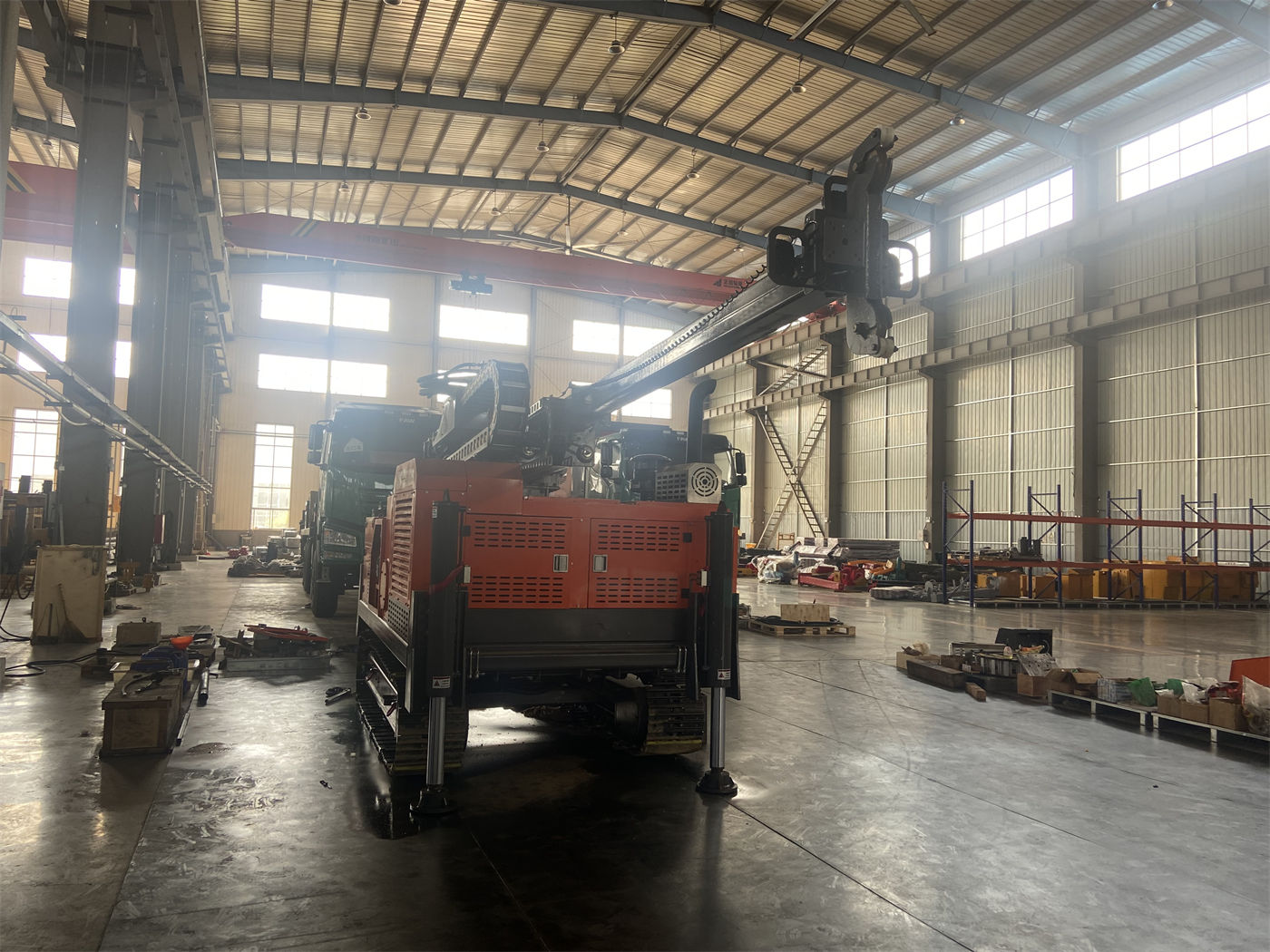
The FR800 supports down-the-hole hammer drilling, and the data explicitly note that a matching air compressor and down-the-hole drilling tools should be selected according to hole diameter, depth, and formation; when mud drilling is used, a suitable mud pump and circulation system should be selected according to hole depth and hole diameter. Lifting force and torque are overall machine capability items, but reaching the bottom of the hole still depends on the drill pipe, bit, hammer, or mud circulation system. In loose layers or collapse-prone formations, the data recommend using casing or mud wall protection according to site conditions. Before the equipment enters the site, site bearing capacity, transport conditions, and equipment setup space must also be confirmed. The overall machine weight is 25T, and the overall dimensions are organized from the data as 7600-5900×2300×2780 mm; final dimensions are subject to the formal technical confirmation document.
In which cases is it worth including the FR800 in the comparison
- The foundation project requires a hole diameter of 200-600 mm, and the hole depth may exceed the conventional shallow-hole range;
- The formation includes loose layers and bedrock, requiring switching between hydraulic rotary drilling, down-the-hole hammer drilling, or mud drilling by section;
- Deep-hole tripping is frequent, and pulling load is a link that needs key consideration on site;
- The site has conditions for deploying crawler equipment, and the transfer distance and road conditions allow the whole machine to move.
These conditions only correspond equipment capabilities to work requirements and do not mean that the FR800 is suitable for every project. Different combinations of hole diameter, hole depth, formation, and drilling method may lead to different conclusions.
Matters still to be confirmed before selection
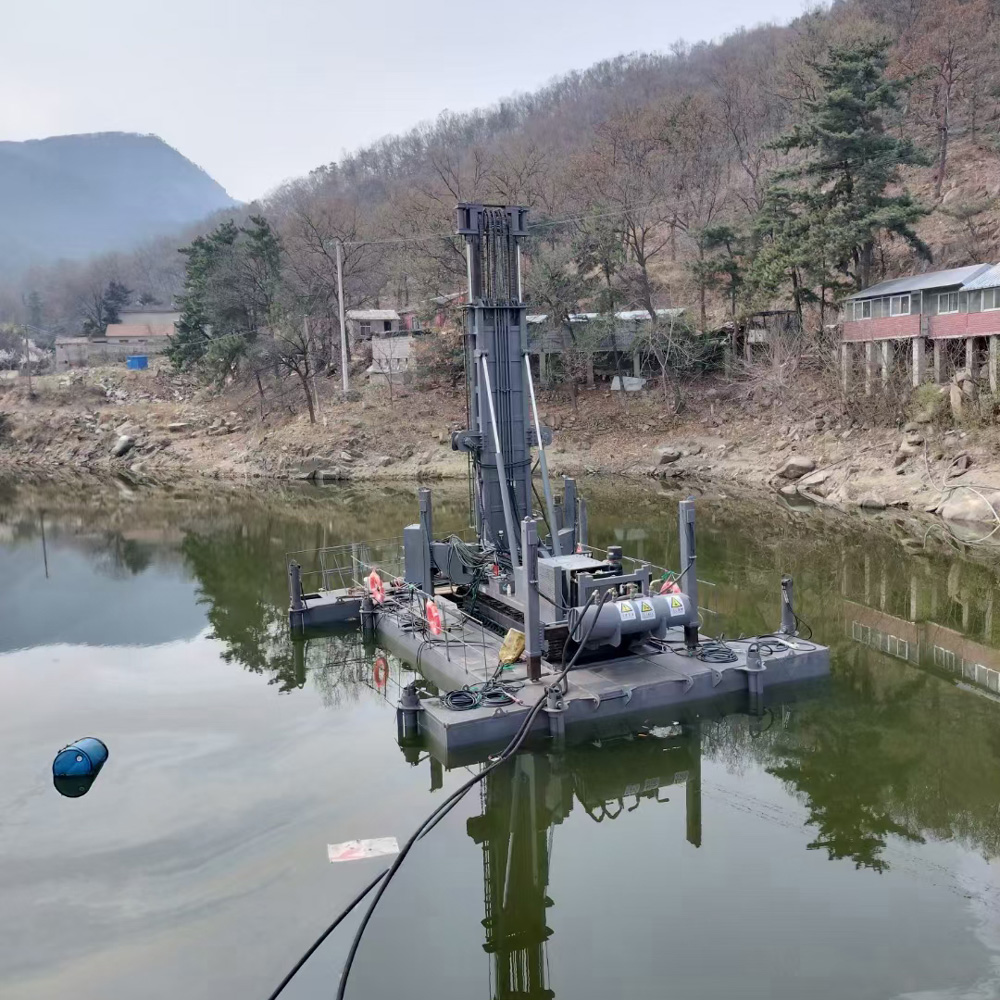
The data recommend that before confirming the FR800 configuration, the target hole depth, opening diameter, final hole diameter, formation structure, drilling method, and on-site construction conditions should first be clarified. For hard-rock projects, the specifications of the down-the-hole hammer and the parameters of the air compressor also need to be confirmed; for mud drilling projects, the mud pump and circulation system should be selected according to hole depth and hole diameter. Lifting force and rotary torque are two lines for judging equipment capability, but whether they can ultimately be implemented also depends on drill string matching, supporting equipment, site conditions, and hole-forming technology. Listing these conditions clearly and then reviewing which process stage the 40T and 17,600 N·m correspond to will make the selection judgment more specific.