












The goal of reverse circulation sampling is to ensure that the cuttings submitted for testing can be matched to a specific hole interval, rather than treating “some sample came back” as completion. In actual operations, sample representativeness is determined by the combined effect of several steps: whether the sample return channel is stable, how transition samples are handled during hole cleaning and rod connection, whether falling blocks in fractured formations lag behind, whether splitting and bagging are separated by depth, and whether records can be traced back to hole depth. If any one step goes wrong, equipment parameters alone cannot compensate.
The following sections elaborate on these steps and explain which requirements the information on a 500-meter-class crawler reverse circulation drill rig can address and which still need to be verified before mobilization.
The sample return channel changes the contact path between the sample and the borehole wall
Reverse circulation drilling relies on dual-wall drill rods to establish an independent sample return channel. Cuttings mainly return through the inner tube of the drill rod rather than rising along the annulus outside the drill rod. This shortens the path along which the sample contacts other formations on the borehole wall and helps reduce the probability of cuttings from different depths mixing with one another. However, the information itself also indicates that final sample representativeness is still related to hole cleaning, rod connection, sample return stability, and on-site sampling management. In other words, inner-tube sample return is one of the conditions for reducing sample mixing, not a guarantee of the result.
Hole cleaning and rod connection are where transition samples are most prone to problems
When drilling resumes after rod connection, hole cleaning, or a pause, cuttings from the previous hole interval may remain in the hole. On site, transition samples should be handled according to the sampling procedure to avoid mixing residual cuttings into the next depth sample. This step depends more on on-site operating procedures than on equipment configuration. What can be confirmed during selection is whether the drill rig makes it easy to observe the sample return status and whether the pipelines are easy to inspect during rod connection, but these still need to be judged in conjunction with the specific construction organization.
Fractured zones weaken the correspondence between samples and depth
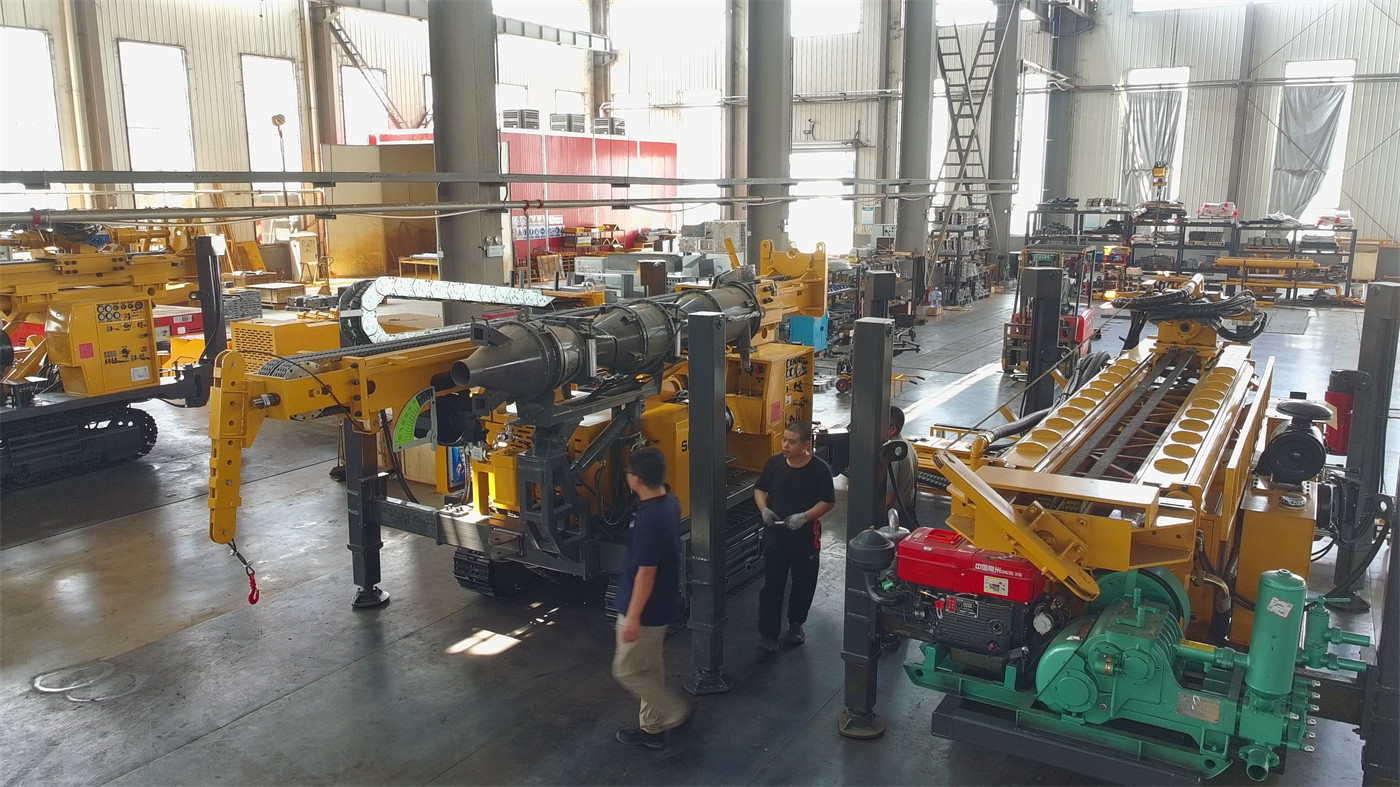
In fault fracture zones, breccia, and formations with well-developed fissures, falling blocks from the borehole wall may remain in the hole briefly and then return in a concentrated manner, thereby affecting the correspondence between samples and depth. Countermeasures include controlling the penetration rate, maintaining stable air supply, and adding on-site records in anomalous hole intervals, with separate annotation of sample quality when necessary. Such formation conditions are often difficult to fully predict before drilling begins. What can be done at the procurement stage is to inform the supplier in advance of the formation data and possible fractured zones, and confirm whether there is room to adjust the drilling method and air supply configuration.
Cyclone splitting addresses process continuity, not a substitute for sample management
The RC500-CS3 associated with this article integrates the CS3 three-in-one cyclone sampling system, combining cyclone separation, representative splitting, and sample collection in a single unit. Cuttings generated by drilling return to the surface through the inner tube of the dual-wall RC drill rod and then enter the cyclone system, which separates the high-speed airflow from solid particles; the sample then passes through the splitting mechanism to form samples usable for geological records and assays. For projects requiring continuous sampling at fixed advance intervals, this integrated process reduces repetitive operations in ground transfer and manual splitting of samples.
However, a smooth process does not equal sample traceability. Each sample bag still needs to be marked with the drill hole number, sample number, start and end depths, and date, and on-site records must correspond one-to-one with the sample bags. For ore samples requiring laboratory analysis, duplicate samples, blank samples, and standard samples should also be set up according to the project's quality control requirements. The three-in-one system improves splitting efficiency; sample representativeness still needs to be managed separately through the sampling procedure.
Equipment conditions related to sampling
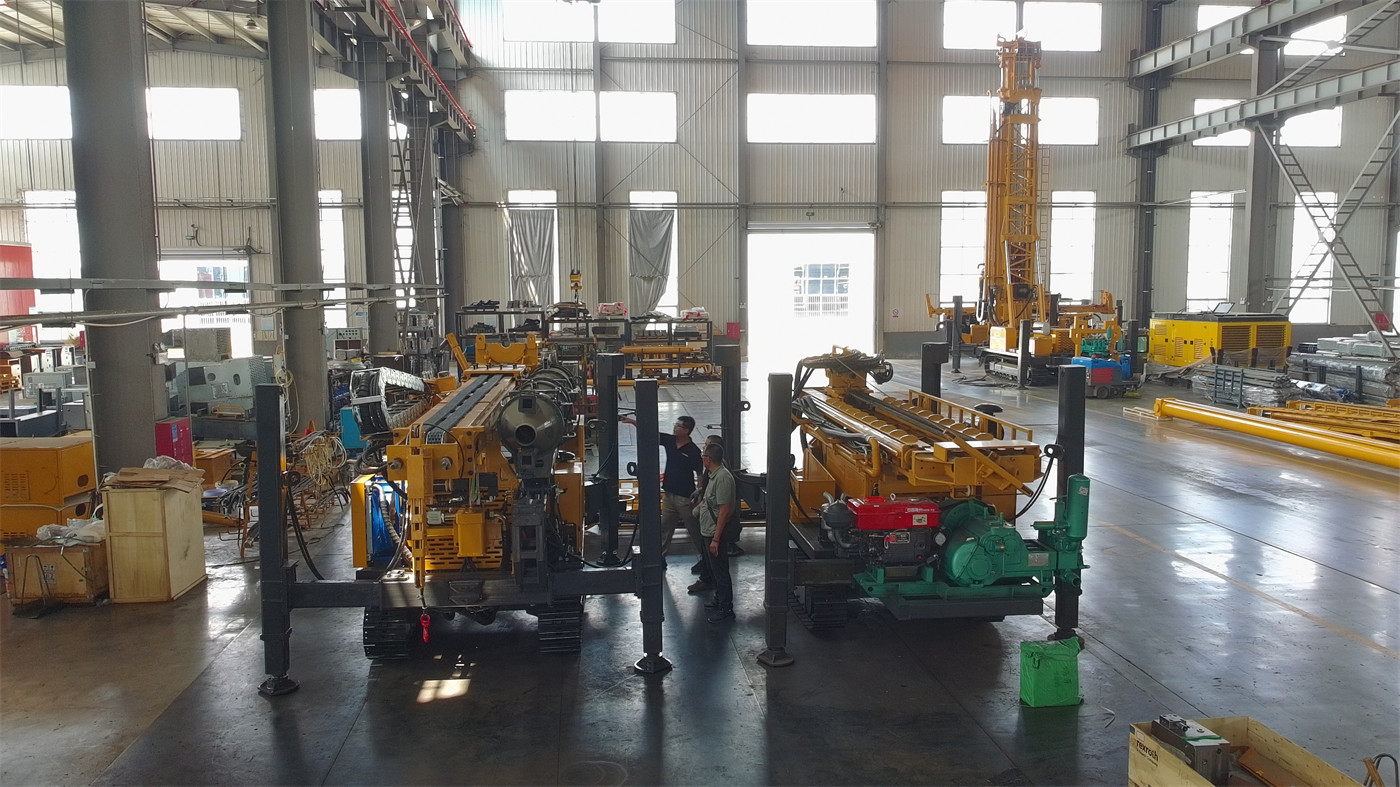
The items in this model's information directly related to the sampling process include: maximum drilling depth 500 m, hole diameter 105–400 mm, support for 45°/90° working angles; recommended working air pressure 1.6–6 MPa, recommended air consumption 16–55 m³/min; maximum rotary torque 10000/5000 N·m, corresponding to maximum rotary speed 75/150 r/min; lifting force 25 T, axial pressure 7 T; overall weight approximately 12 T, dimensions approximately 7×2.1×2.9 m, equipped with a 132 kW engine, travel speed approximately 2.5 km/h, maximum climbing angle reference 21°, hydraulic outrigger stroke 1.6 m, auxiliary winch lifting force 1.5 T.
The role of these values is to help verify supporting conditions, not to directly infer sampling quality. For example, air pressure and air consumption affect the driving of the down-the-hole hammer and the ability of cuttings to return to the surface; actual selection must take into account hole diameter, RC hammer specifications, altitude, and rock hardness. At hole depths of the 500-meter class, the self-weight of the drill rods and borehole wall friction are higher; the 25 T lifting force corresponds to margin for normal tripping and drill rod handling. If abnormal resistance occurs during pulling, the cause should still first be judged and addressed through hole cleaning and process measures.
| Sampling step | Main impact | Matters to confirm |
|---|---|---|
| Inner-tube sample return | Reduces the contact path of samples rising along the annulus | Whether sample return is stable and the condition of dual-wall drill rods |
| Hole cleaning and rod connection | Transition samples may mix into the next depth | On-site sampling procedure and handling after drilling pauses |
| Fractured zones | Lagging falling blocks affect depth correspondence | Formation data, penetration rate, and air supply stability |
| Cyclone splitting | Reduces ground transfer and manual splitting | Sample bag labeling, records, and quality control sample setup |
Boundaries of formations and applications
The model information shows that it also supports mud rotary drilling. Upper soil layers, clay, sand layers, and gravel layers are not necessarily suitable for direct RC pneumatic drilling; mud, casing, and other methods can first be used to stabilize the upper hole section, and then reverse circulation or DTH processes can be switched to after entering rock formations. For water well projects, it is not always necessary to activate the complete three-in-one sampling system; the drilling method and configuration should be selected according to the purpose of well completion. Mineral exploration holes place more emphasis on sample return quality and splitting management, while water wells place more emphasis on borehole wall stability, completion structure, and water-producing layers. The two cannot be interchanged in construction organization simply because the same machine can be used.
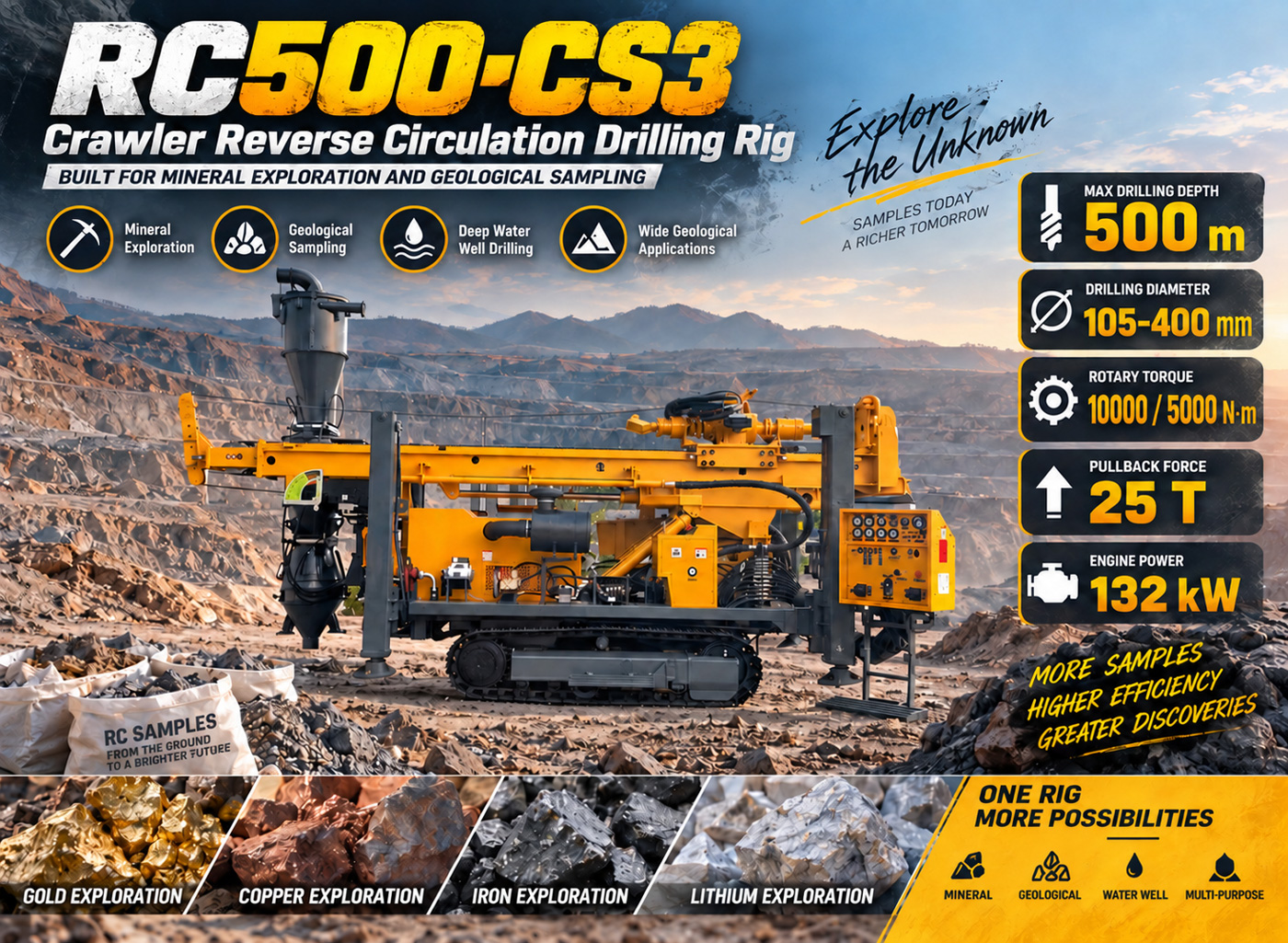
The crawler chassis has a travel speed of approximately 2.5 km/h and an overall weight of approximately 12 T. Before moving between hole positions, road load-bearing capacity, platform area, and slope safety should be confirmed; conditions should not be judged according to those for small crawler equipment. RC project sites usually also need to be equipped with air compressors, cyclones, splitting devices, sample bags, and transport vehicles at the same time, and the platform area and equipment layout need to be designed in advance.
Information to provide before inquiry
- Drilling purpose: mineral exploration, water wells, or other, and whether a complete sampling process is required.
- Formation data: overburden thickness, rock type, and whether fractured zones may be encountered.
- Target hole depth and hole diameter, and whether inclined holes and angles are required.
- Drilling method and air supply conditions: planned DTH hammer specifications, air compressor pressure and displacement, and altitude.
- Mobilization and transport conditions: road load-bearing capacity, platform dimensions, and transfer distance.
- Sampling management requirements: sample numbering rules, quality control sample setup, and submission process.
It should be noted that the existing information on this site does not include core recovery rates, sample qualification rates, or construction performance data for specific projects. The above steps and equipment characteristics can only indicate what should be verified during selection; actual representativeness still depends on formation conditions, configuration choices, and on-site sampling management, and should be confirmed item by item with the supplier before procurement.